



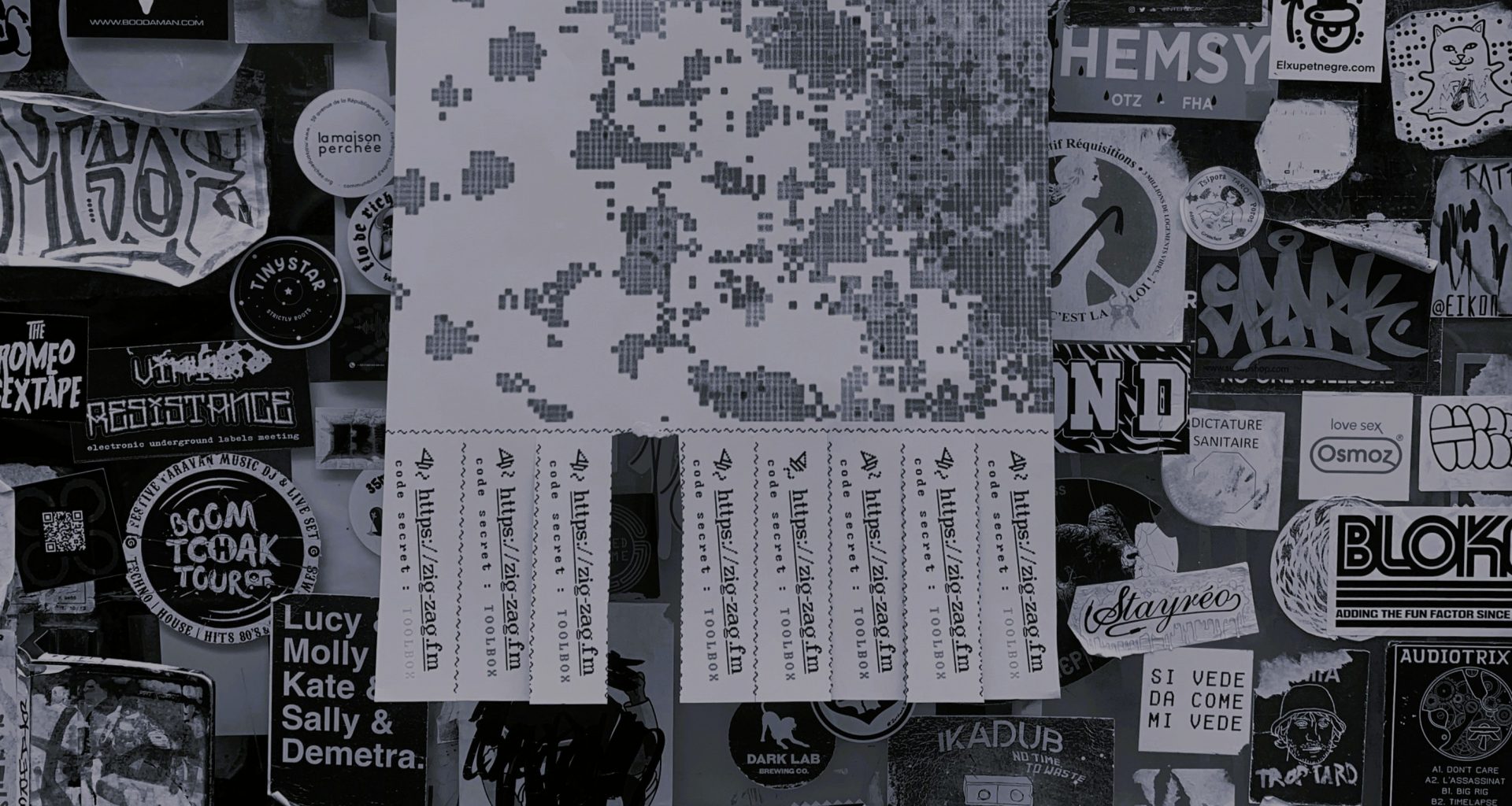
This may be the first time, if we ignore a few small hiccups within my own morality back in the day, that I’ve come round on the whole exploiting algorithms for music discovery. I’m aware this might trigger or pluck a few nerves out there, especially the true diggers whose identity thrive on being the true master of their own musical taste, but hear me out. Having recently been granted access to this whimsically odd, quirky and exceptionally exciting parallel universe of digital musical islands, I not only stand corrected, I also sit quite addicted. Welcome to zig~zag.
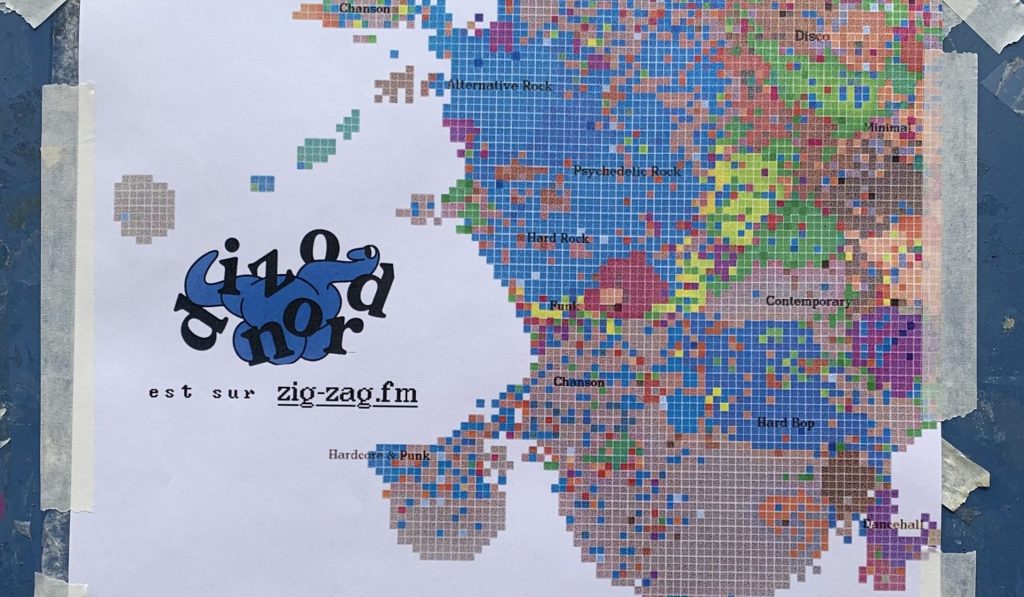
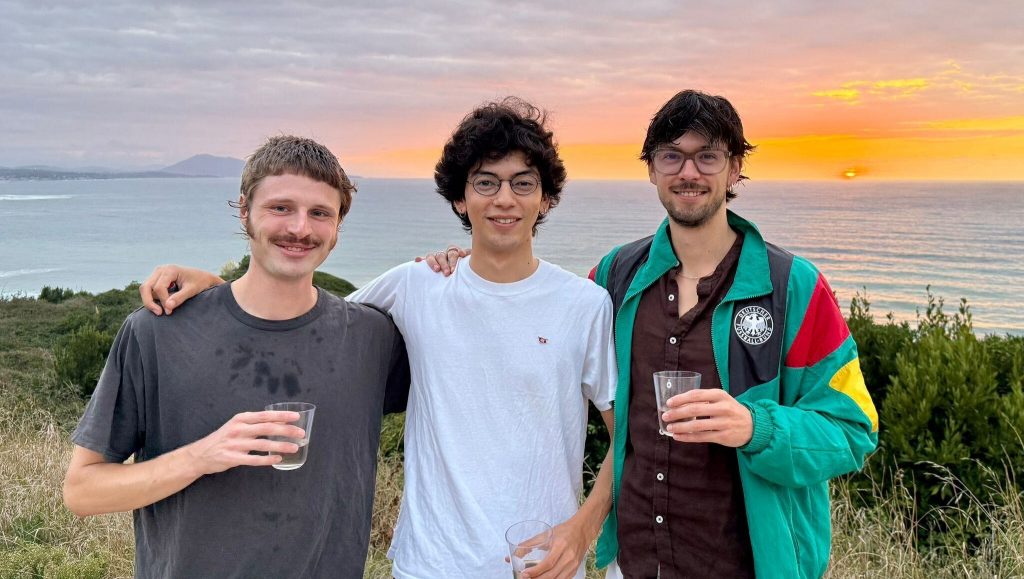
Materialised from a shared craving to dig for fresh digital gems with the tactile thrill of crate digging, zig~zag grants us fellow music nerds (meaning anyone) an open sea for free navigation. The official brain child of three university friends – known as hugolacouette, anto12341234, and moritz while sailing – this platform recently greeted the world from under the Parisian rocks, setting its interactive music discovery dimension aboard with beta access available and a full launch set for the 2nd of November.
Literally sailing across a collection of roughly eight million tracks (building to 25 million for launch), listeners can navigate through dynamic archipelagos of music shaped by genre, geography, era, label and an endless collection of microlevel relationships between each. But, rather than trapping users in passive algorithmic loops, the map lays out every song on a shared two dimensional coordinate grid, allowing digital music discovery to tap back into a hands-on human experience.
In the context of today’s online tiresome digestion of mind numbing content, continuous bombardment of information and complete loss of control over how we actually consume all the latter, the arrival of such an authentic intention feels downright refreshing. The broken economy of most streaming platforms has been drowning the industry into a slow burnout, even dragging in listeners’ morale who can’t figure out where to put themselves without going bankrupt or selling themselves out for the bigger machine. This proves that when true purpose comes along like zig~zag, the impossible decentralisation that’s got the music industry in a headlock, could very well be attainable after all.
So, what originally emerged as a humble post on Reddit’s r/TheOverload (a sub for unconventional club music) has naturally ballooned into an eager waitlist of over 20k applicants alongside 26k early beta testers actively navigating the digital waters. Numbers which were accurate at the time of speaking to our fellow zig~zaggers; these digits must’ve undoubtedly increased since.
To understand why zig~zag feels so fundamentally different, one must understand how it tames the overwhelming noise of the modern digital catalogue. ‘Our whole idea with zig~zag was, instead of using algorithms the way streaming platforms do which encourages passivity, we’re taking one step behind where every song gets an X,Y position, or a coordinate on the map with all of them on the level within the playing field,’ the team explains.
Where mainstream streaming platforms use algorithms as gatekeepers, showing you a single track while burying tens of millions of others in an inaccessible black box, zig~zag bakes its algorithmic intelligence directly into the landscape itself. Under the hood, moritz manages a rigorous machine learning pipeline. Drawing monthly open data dumps from Discogs, the platform maps each release across well over 100 dimensions. These aren’t merely surface tags like genre or release year, but proper specific micro-relationships: shared sound engineers, vinyl pressing plants, niche subgenres, second-degree human networks between artists, and a bunch of other inputs my limited tech knowledge could not fully comprehend.
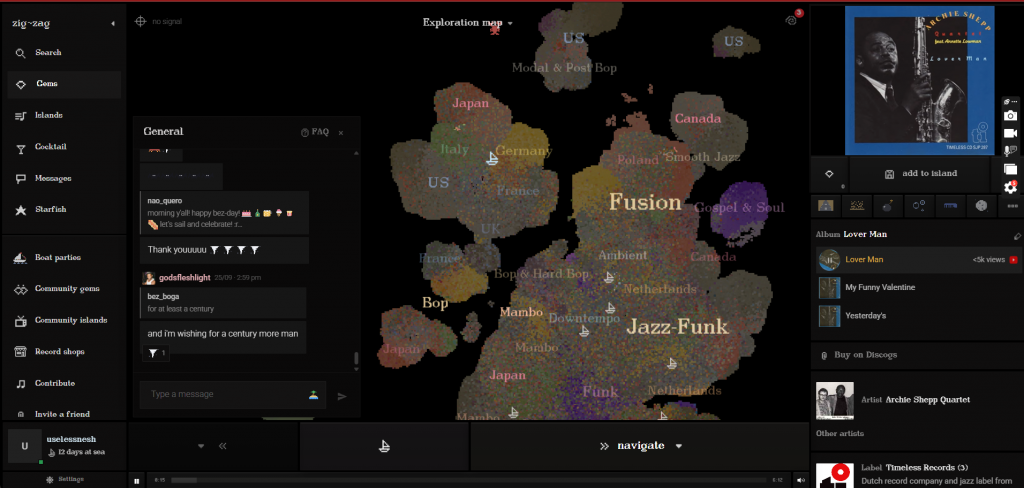
Using U-MAP dimension reduction algorithms alongside editorial guidance, these multidimensional data points are then flattened onto a shared two dimensional grid. The macro level positions are pulled together by thematic “centres of gravity” (placing Jamaican dub within whispering distance of UK electronic music for example, or cosying techno archipelagos up to house landmasses). Then comes a meticulous layer of aesthetic post-processing, morphing these data clouds into tangible, and nostalgically retro islands and navigable straits. The point of the matter reduces to how the algorithm steps back the moment the landscape is rendered; from there, the compass is handed back to you, the user, to pick, prod and construct your own little world.
Once afloat, navigation is delightfully tactile. Powered by YouTube for audio playback and metadata, you being the vessel, can glide across the open sea toward whatever coast tickles your fancy. Bleeping discovery into an earned artefact, staying organic, and pleasantly unpredictable. Should you stumble upon a hidden gem, you can ‘gem’ it, adding it to your own set of archipelagos and leaving a permanent mark on the global map for others to find.
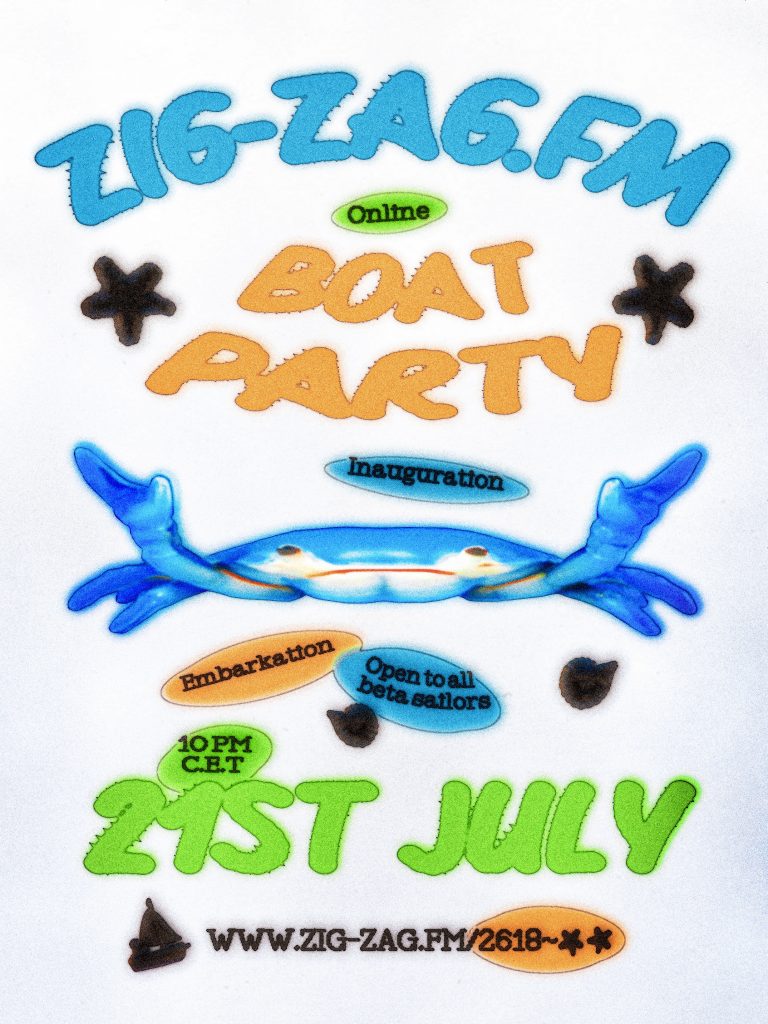
The social side is fuelled by an absurdly brilliant set of retro emojis to react to tracks. Want to tag a tune with a cigarette, a crab, or a tornado? There’s loads more. They tempt the fact that the best tracks usually defy any proper written explanation anyway. In the meantime, if you want to dig with others, there are ‘boat parties’; essentially a digital version of crowding around a turntable in a friend’s living room. You board a shared vessel, stream in real time, pass admin privileges around to drop curveball tracks, and inevitably abuse the soundbox with chaotic sound effects.
What makes their resistance to big tech actually mean something is that it’s baked into their business model; the trio completely skipped the predatory subscription route, opting instead for a community setup that feels far closer to NTS than Spotify. 99% of the sea is totally free and wide open, with no annoying paywalls popping up every three nautical miles. If you do toss them a few quid a month as a supporter, though, it’s purely for trivial cosmetic perks, like customising your username colour and more things in future, I’m sure, just to keep the servers from melting down.
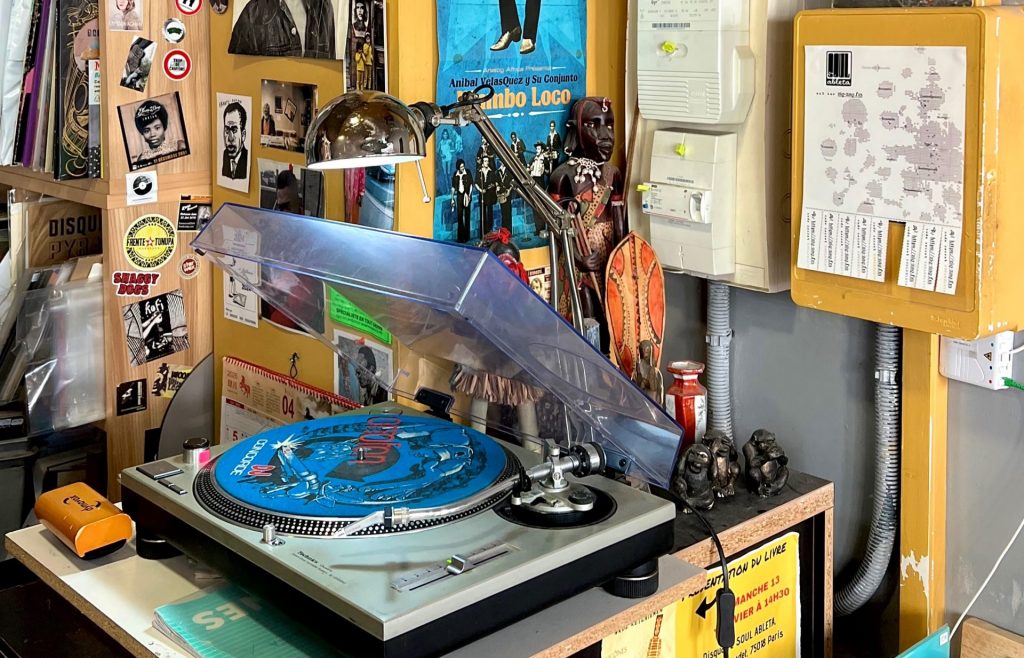
Crucially, the platform doesn’t try to trap you in an endless loop. Dedicated islands for independent record shops are plotted directly onto the map, steering all that digital crate-digging right back toward physical wax as an understated, clever way of nudging you to shut your laptop and actually go support your local shop. And naturally, the immediate question everyone asks is whether a mobile app is on the horizon. As going against the mission at hand isn’t in the books, the trio aren’t rushing to package this into a pocketed, doom-scrolling fixture for your daily commute just yet. They’re keeping it as a desktop space engineered for your deliberate, immersive exploration.
As I run out of reasons to convince you to become a zig~zagger, my little virtual vessel is currently drifting somewhere off a foggy coastline in the Japanese breakbeat sector of the map, stumbling upon early ’90s gems I had no business finding on a Monday afternoon. Whether you’re already racing to get an access code, waiting for the open launch, or maybe not feeling tempted at all, rest assured that zig~zag might just be the before-and-after of how we interact with music digitally.

We know so much music talk can only trigger the need to listen to some bangers. If you need to dance some of it off, head over to XCEED and find the nearest party.