


As the fifteenth edition of Barcelona’s undisputed digital arts benchmark arrives, (you probably picked up on that enthusiasm in last year’s recap) the prescience to attend yet another devotion to electronic music and the encroaching digital inhabitance in music and visual arts has started to feel a bit like a bode to the unwarranted future.
Returning to Fira Montjuïc on November 6th and 7th, MIRA 2026 anchors its milestone 15th iteration around a central metaphor: a dive into the oceanic trench as a proxy for the underground. Over two days, the festival presents 27 musical proposals and 18 digital art projects, turning the venue into a playground of works that only wake up when you touch them, breathe near them, or look (mira) them straight in the eye.
Musical features
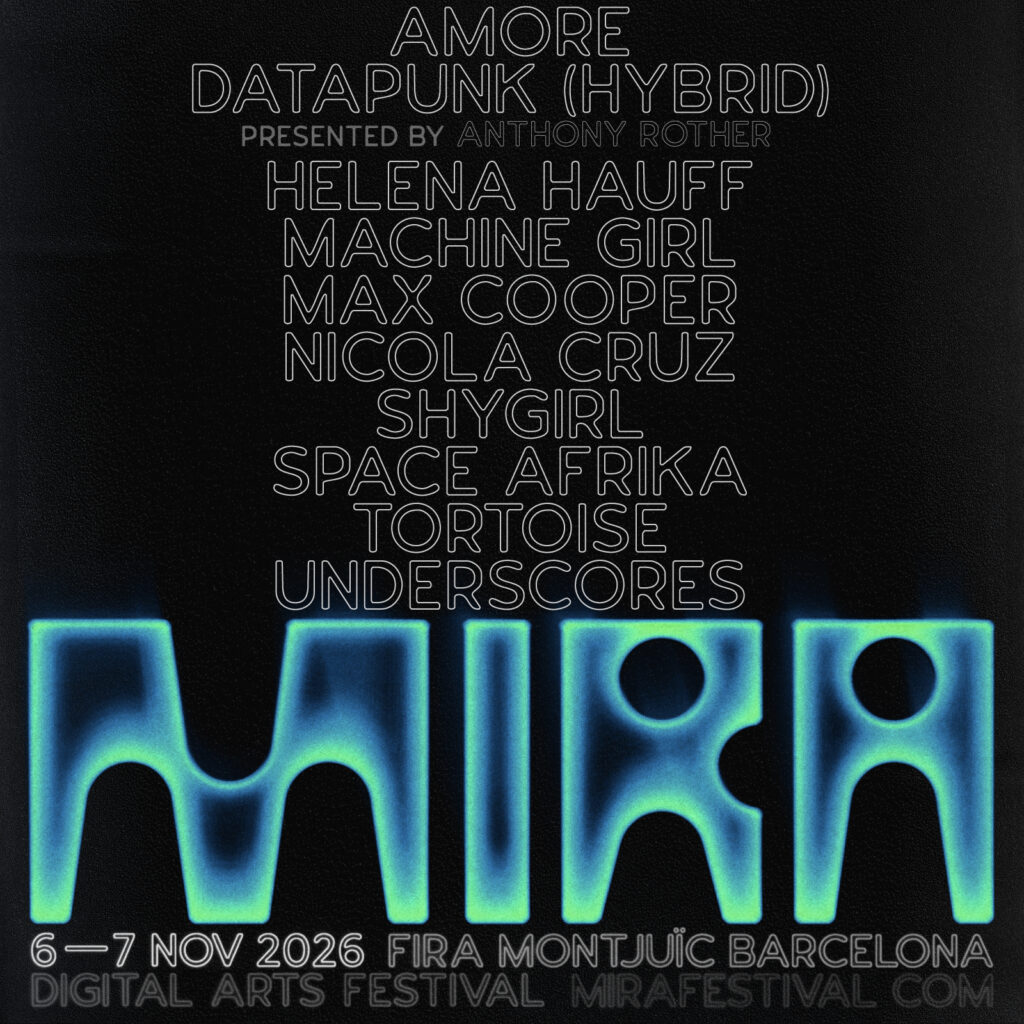
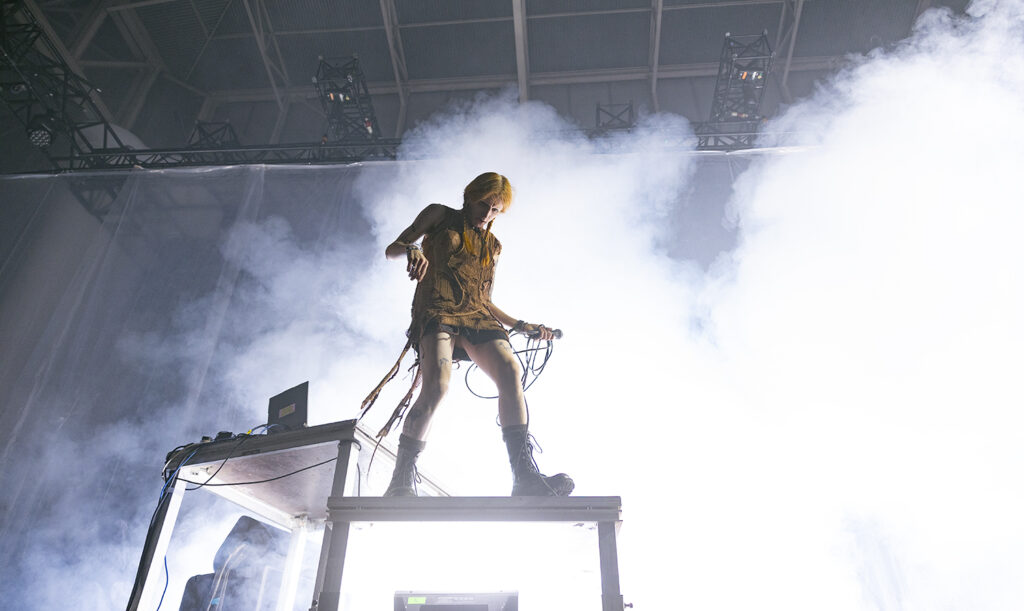
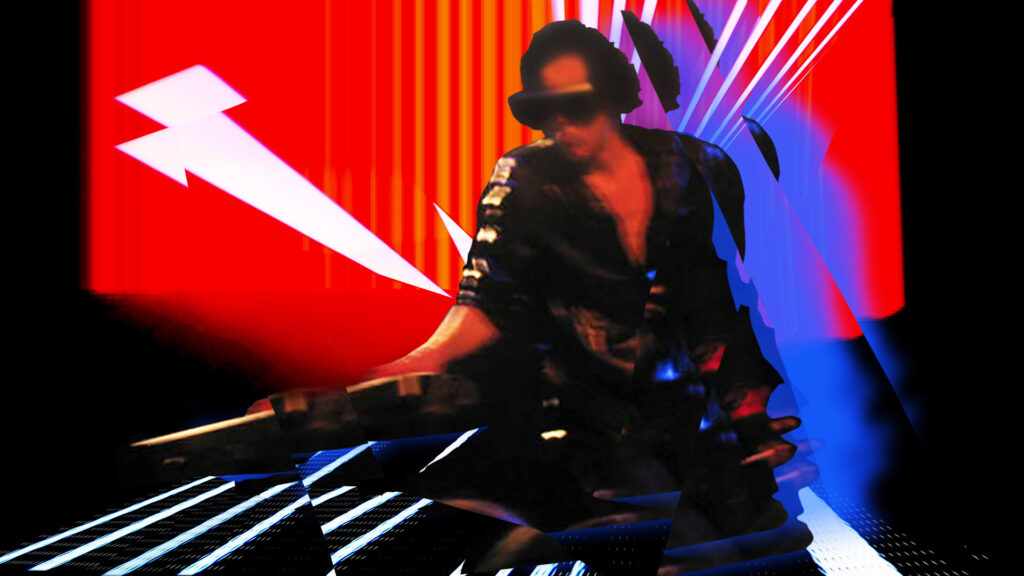
Though its name literally commands you to look, MIRA never liked the idea of passive listening. As basic screens have dissolved into something almost old-fashioned, over the years the curation has gradually, and heavily, folded into an absolute subversion of sound; encouraging electronic music to discover the ambient, the textural, and the absolutely experimental. Leading the charge is Arca, making her return to present her latest album XXXXX, alongside Suicide co-founder Martin Rev playing with Divine Enfant, post-rock stalwarts Tortoise, and Anthony Rother bringing his hybrid DATAPUNK set.
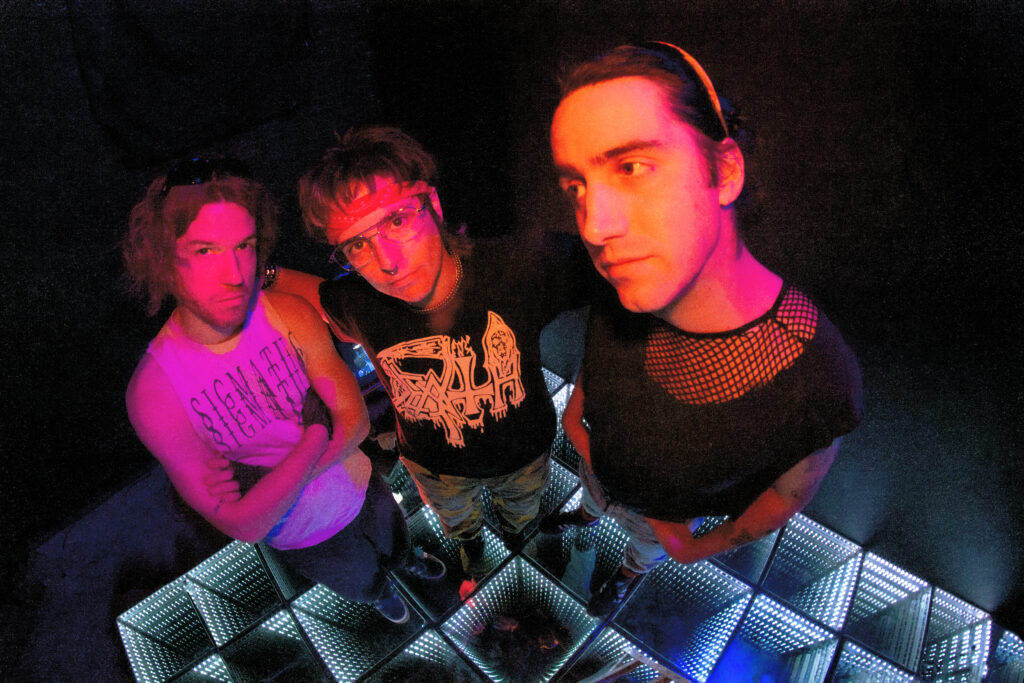
Among the bill, you’ll also find maximum texture. Max Cooper, Fennesz & Lillevan, and Ryoichi Kurokawa continue to dismantle audio-visual boundaries, while Nosaj Thing joins forces with Daito Manabe for a high-concept collision of code and rhythm. On the visceral end of the stats, Machine Girl, Helena Hauff, and Shygirl bring the more calorie-burning club energy stuff and pop subversion to the floor, anchored alongside hyper-contemporary voices like underscores, ML Buch, and AMORE. Local institutions DJ Zero, Tutu, and Corprès keep MIRA true to its word by honouring the city’s musical roots in the bill.
Audiovisual features & stage interventions
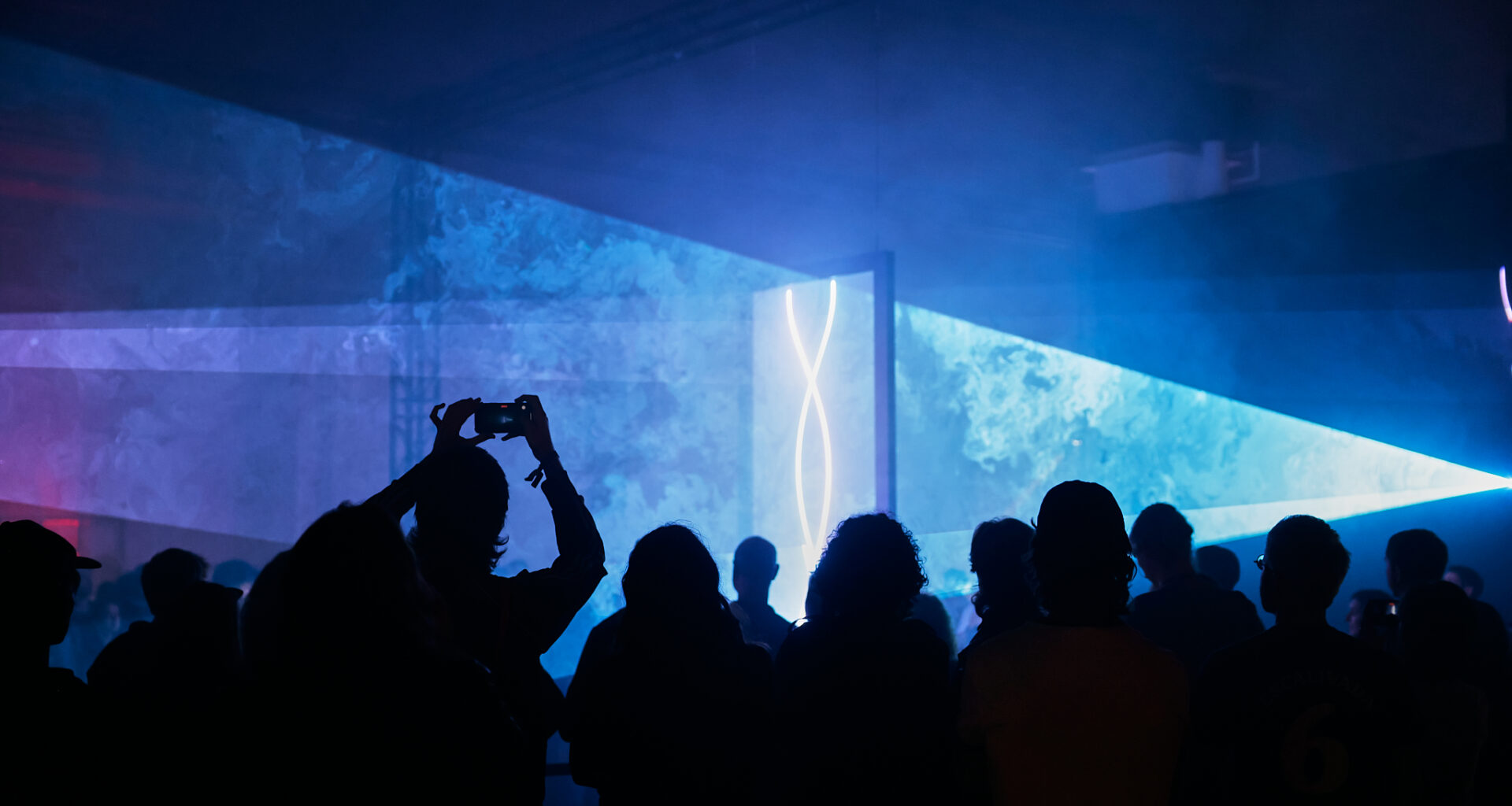
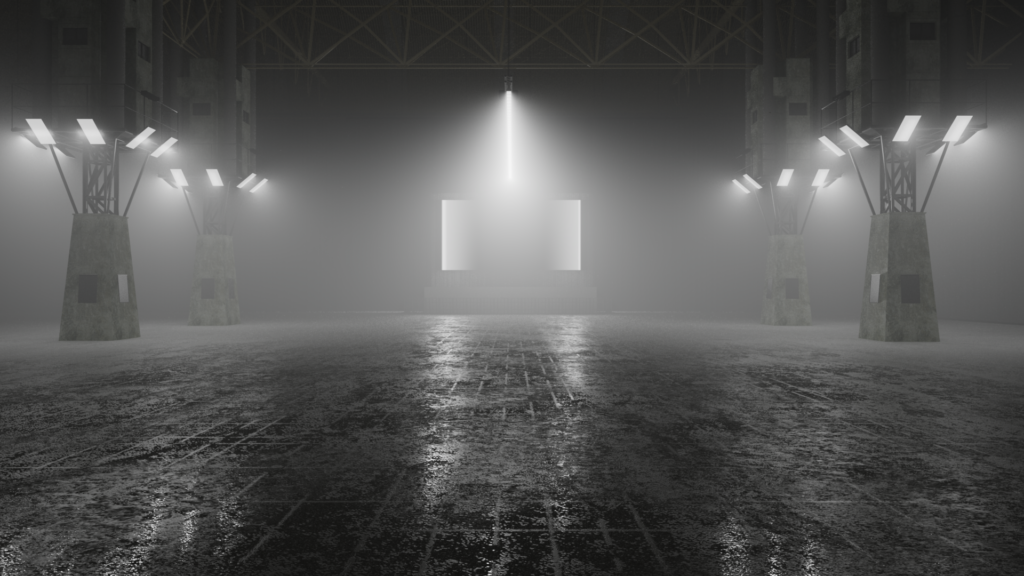
This year, although I’m pretty sure it’s not the first, the physical boundary between stage and crowd officially meets its end. The Barcelona setup Onionlab takes over the main stage with Resonant Field, suspending a living beam of audio-reactive light that stretches over the audience and turns every set into physical waves.
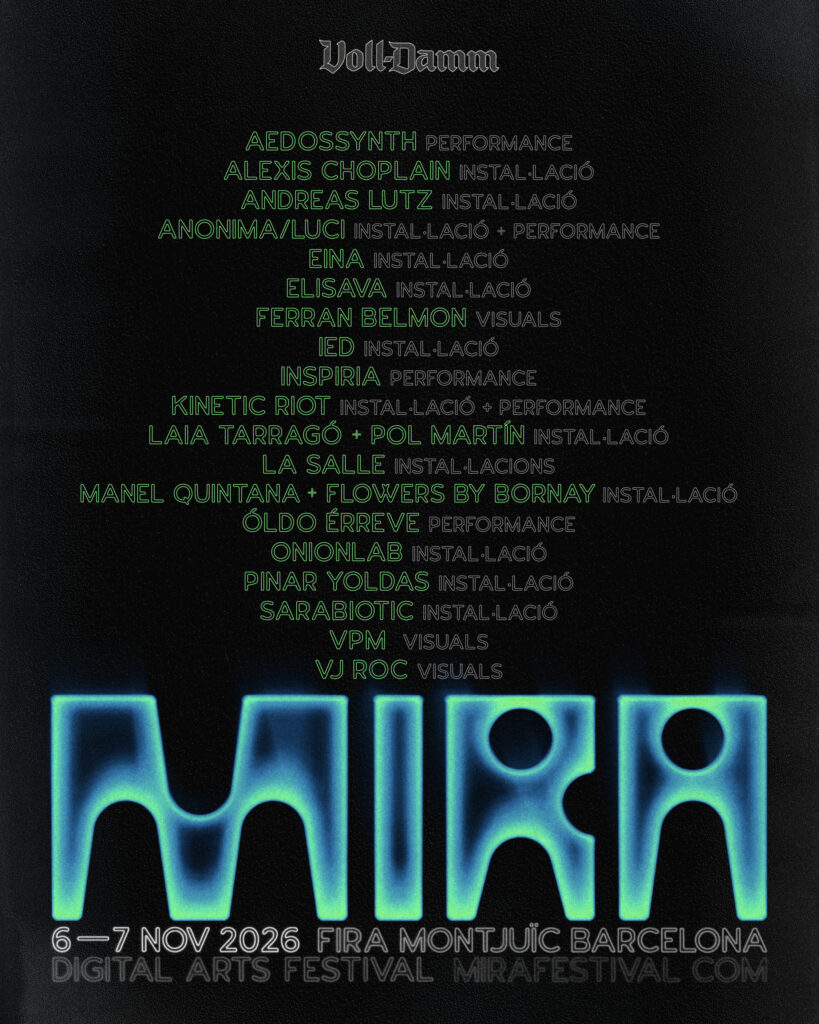
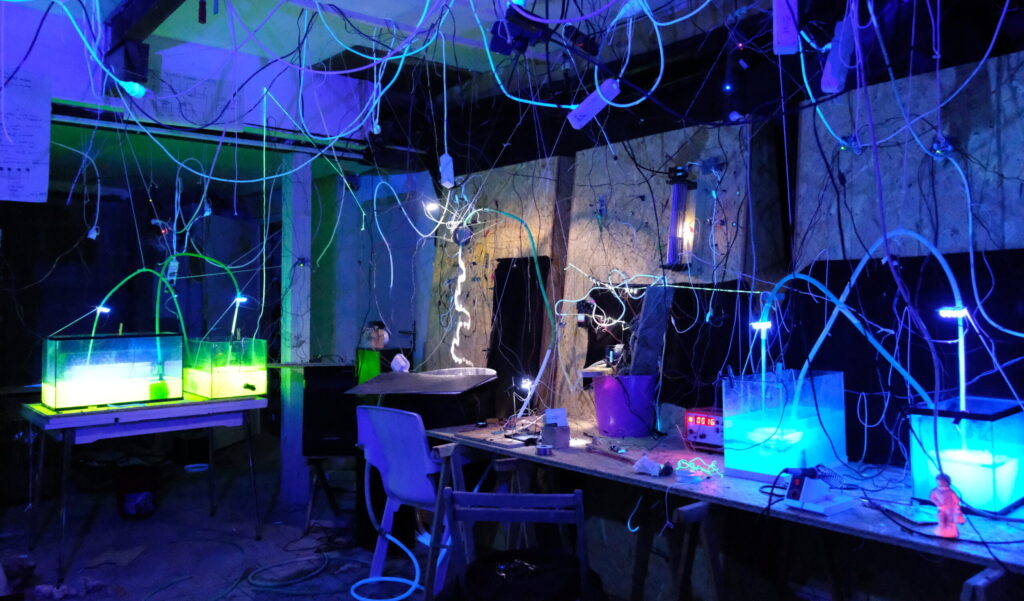
In the meantime, every corner of the venue will lead into an immersive hazard. Ferran Belmon sculpts temporary architectures out of light for Nicola Cruz’s live AV, while VJ Roc (Roc Jiménez de Cisneros) brings algorithmic composition straight into Tutu’s set. Elsewhere, Kinetic Riot spends the two days live-assembling robotic mechanical spiders that react to the room’s temperature and crowd proximity, and Alexis Choplain brings Hydroscope: a kinetic installation forging poetry out of the dangerous volatile meeting of water and electricity.
Post-human ecosystems & machine perception
While previous editions were helming theories that questioned where human agency ended and algorithms began, MIRA 2026 has given all of us a bit of chill. The utter terror that’s claimed our feeds (to not say the real world) with wars, the nearing AI doomsday, climate change and an increasingly restless youth that’s started setting their cities on fire, has subconsciously sneaked its way into our modern art: hence this edition issuing the idea of post-human biology, machine learning, and speculative evolution.
Pinar Yoldas anchors the art programme with An Ecosystem of Excess, presenting bio-art organs that have evolved to digest toxins and thrive in the Pacific Garbage Patch. Alongside her, German artist Andreas Lutz presents Capture/Resemble, a kinetic sculpture that studies, archives, and memorises the faces of passersby, eventually withdrawing into periodic phases of machine-synthesis to literally dream up its own vocabulary. Then there’s also AEDOSSYNTH, where acoustic engineer Marc Arnela and producer I AM JAS use vocal tract geometry from MRIs to drive three artificial singing heads, and IMAGO Teōsinte by Óldo Érreve, which uses movement sensors and holograms to raise a digital altar to ancestral maize – among others.
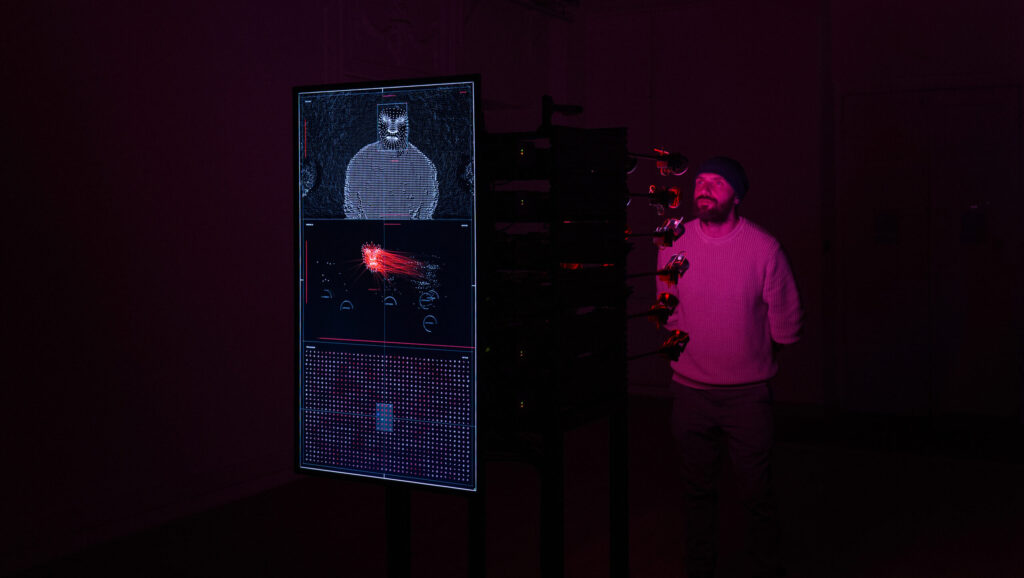
The rest of the space belongs to the city’s fresh blood, with ELISAVA, EINA, IED, and La Salle rigging up everything from mutated media streams to interactive breathwork. The curious thing about MIRA, is that it can manage to throw one of the best events in the city that makes you question your very existence, but then, if you’re just pulling up to zone out and dance, it works just as well.