






There are thousands of touring DJs carrying 5,000 unorganised tracks on a USB, but not many operate with the ruthless discipline of Ryan Elliott. Born in Detroit’s blue-collar electronic culture and forged in the booth of Berghain and Panorama Bar, Elliott is a purist’s selector. You’ll catch him lugging a heavy bag of wax across continents, or if curating a digital set, still treating the booth with a level of respect that has made him a well and trusted name in modern house and techno.
In our latest episode of NIGHTMAG Talks, recorded backstage at Días de Campo just minutes before he stepped onto the XCEED Mainstage for a birthday B2B alongside Ogazón, we sat down with Ryan to pull back the curtain on his process. We got into the physical geometry of playing vinyl versus digital, the lost art of the “slow burn” in an age ruined by doom-scrolling, why back-to-back sets are a form of sonic intimacy, and the simple truth behind why artists shouldn’t over-explain their craft.
When a technician like Ryan Elliott admits he doesn’t rely on algorithms or social media trends to find music, one should take notes. Hearing a selector of his calibre share how he cuts through the modern online chaos to find real records is gold; he relies on the human filter of curated newsletters from a selection of record shops to do his digging.
Before we break down the exact digital sources Ryan uses to keep his record bag lethal, watch the full interview below.
Hard Wax
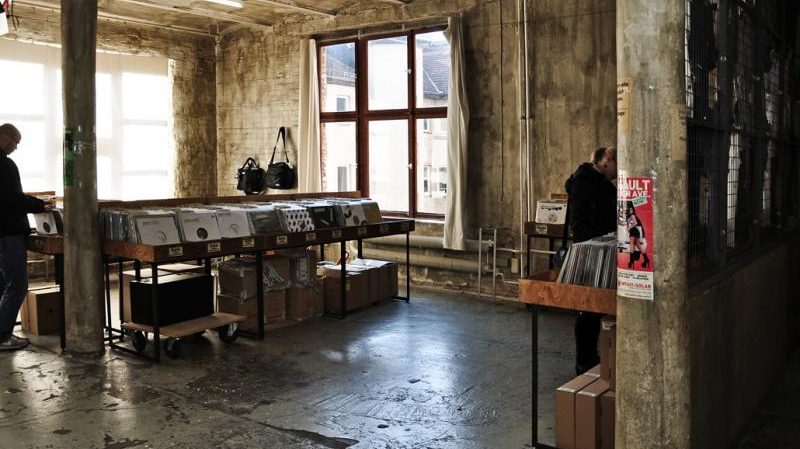
The newsletter from this legendary Berlin shop is clean, direct, and honest. Instead of overwhelming you with releases, Hard Wax focuses on a tailored selection of essential dub techno, raw house, bass, and techno. Their brief write-ups are a genuine seal of quality: if it’s featured in their email, it often points toward a proper sound system.
Phonica Records
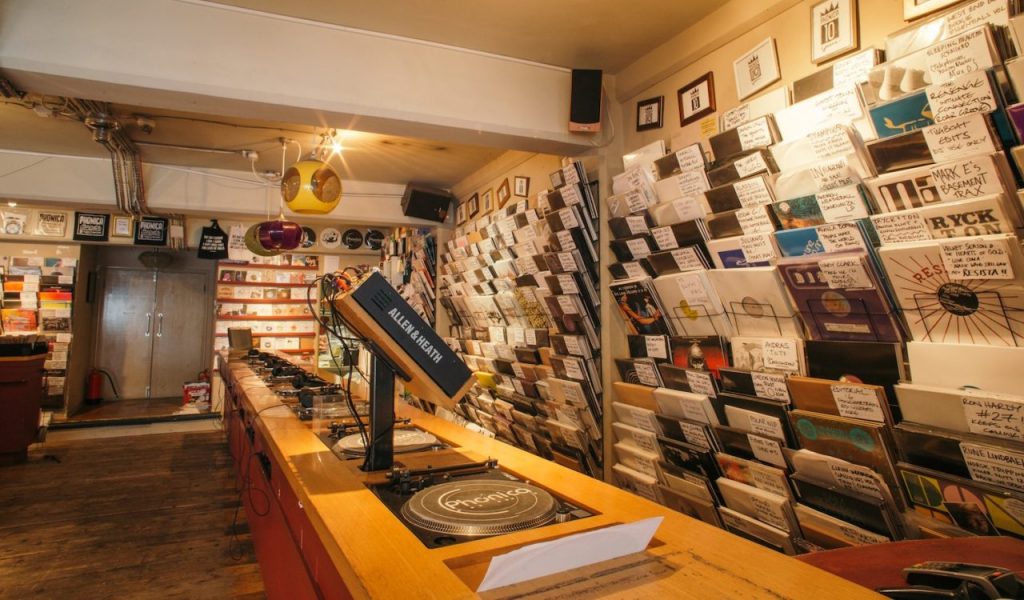
Phonica brings the expertise of London’s top vinyl counter straight to your inbox. Their weekly roundup mixes house, techno, disco, and experimental club bits with detailed staff reviews. These write-ups describe the sound, and they give DJs contextual clues on how and when a track will actually work on the floor.
Clone Records
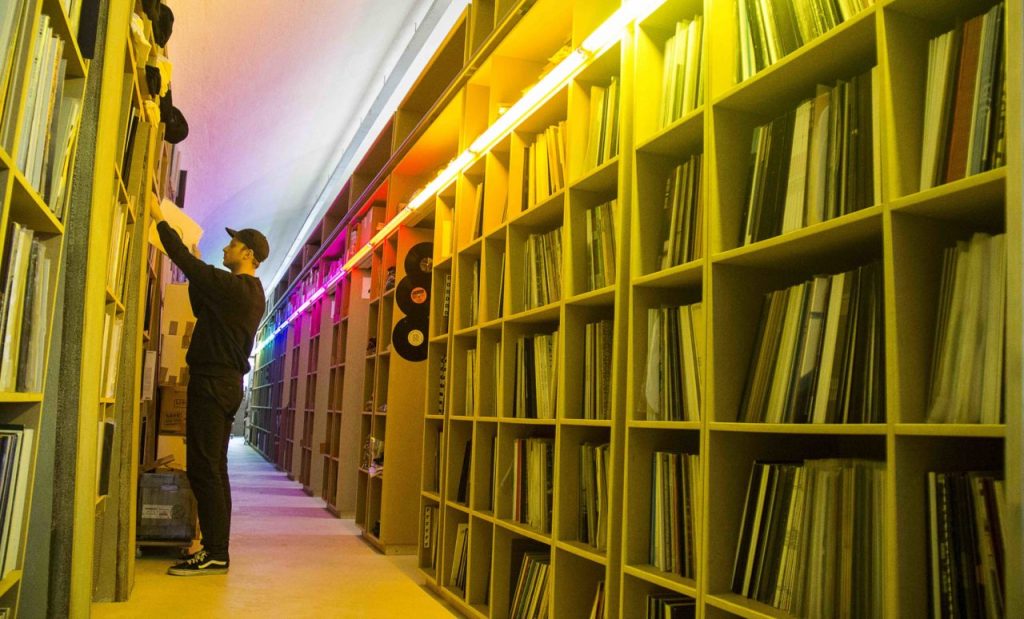
Operating out of Rotterdam, Clone is a long-running electronic music institution, with a newsletter and site that keep new releases and label activity close at hand. For diggers, it remains a reliable way to stay on top of Clone’s own output and wider store updates before they sell out elsewhere.
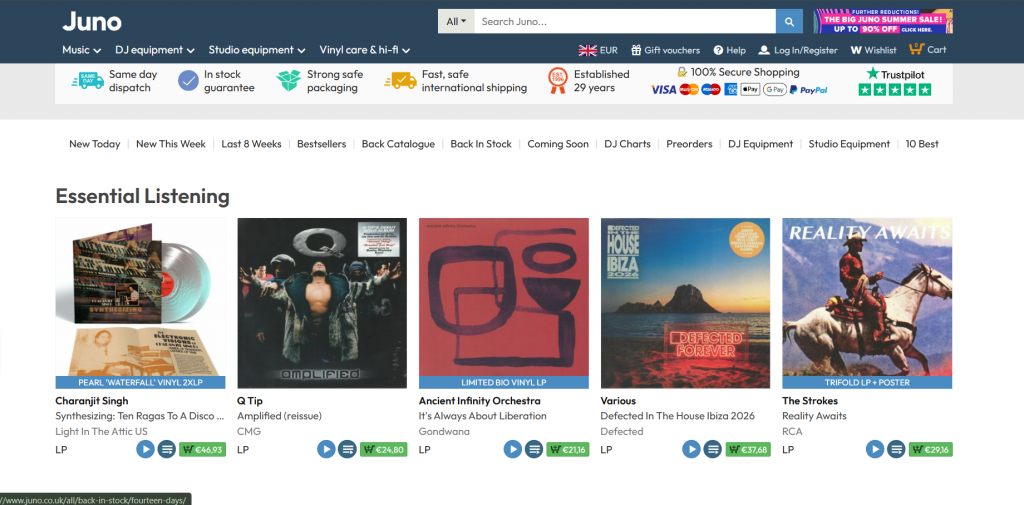
Juno
We all know that Juno runs one of the most comprehensive online catalogues in dance music. Well, their tailored email digests serve as a broad music digest, covering every sub-genre imaginable alongside limited represses and regional imports. For a touring DJ, it functions as a safety net to ensure no crucial release slips through the cracks.
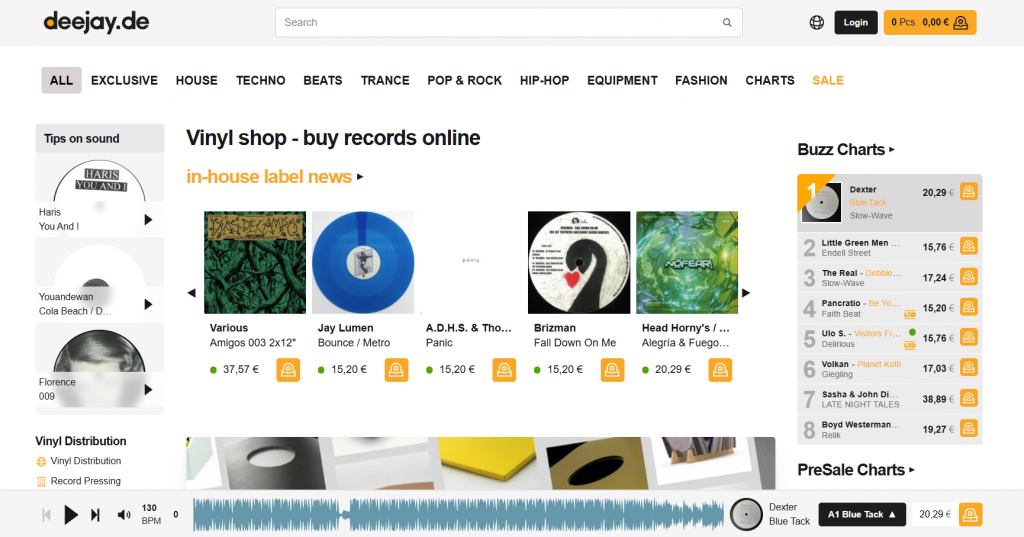
deejay.de
Who needs an email campaign when you have the ultimate online rack? Even without a traditional newsletter, deejay.de earned a spot on Ryan’s shortlist because it’s the record nerd’s live ticker. The hub previews fresh snips, tracks release dates, and catches obscure pressings before they hit the main line. While it’s a goldmine for house and techno, it’s just as essential for snagging everything from rare disco edits to breakbeat and ambient leftfield wax. Long story short, head over there to do some serious vinyl hunting.
If all this vinyl and record hunting talk has gotten you in the clubbing mood, go lose yourself at a party. There’s a whole lineup of events waiting for you on XCEED.