
We’ve been wondering for a while about the imaginative pursuits behind massive productions taking place at festivals around the world. With the ascending popularity of the so-called hybridity in most big events, the guys out there adopting the modern interpretation of avant-garde are breaking ground in the intersection of creativity and technology, left, right and centre.
In light of the digital industry lurking around the progression of music, lighting and visual media, Michele Lotti has naturally funnelled into the thick of it. Currently sifting through both festival and music scenes as creative director, curator and founder of the immersive installation studio Visioni Parallele, young Lotti started out spinning records at 15, eventually embarking on a record selector’s path and carrying CTR televisions into clubs to contribute to visuals.
From those early years, his trajectory has rightfully unfolded into a thoughtful study of how space, sound, and digital culture inform one another. He’s carefully avoided strict goals to take the lead, so he now tends to focus on the mysterious middle ground between different mediums, treating physical sites as living components of a broader sensory environment.
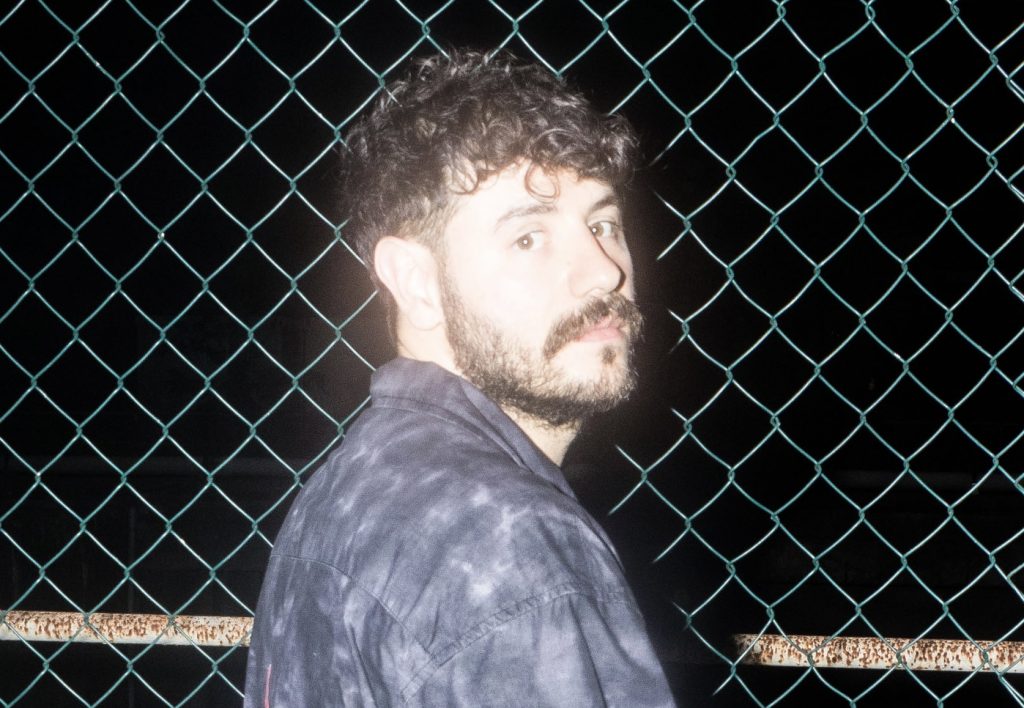
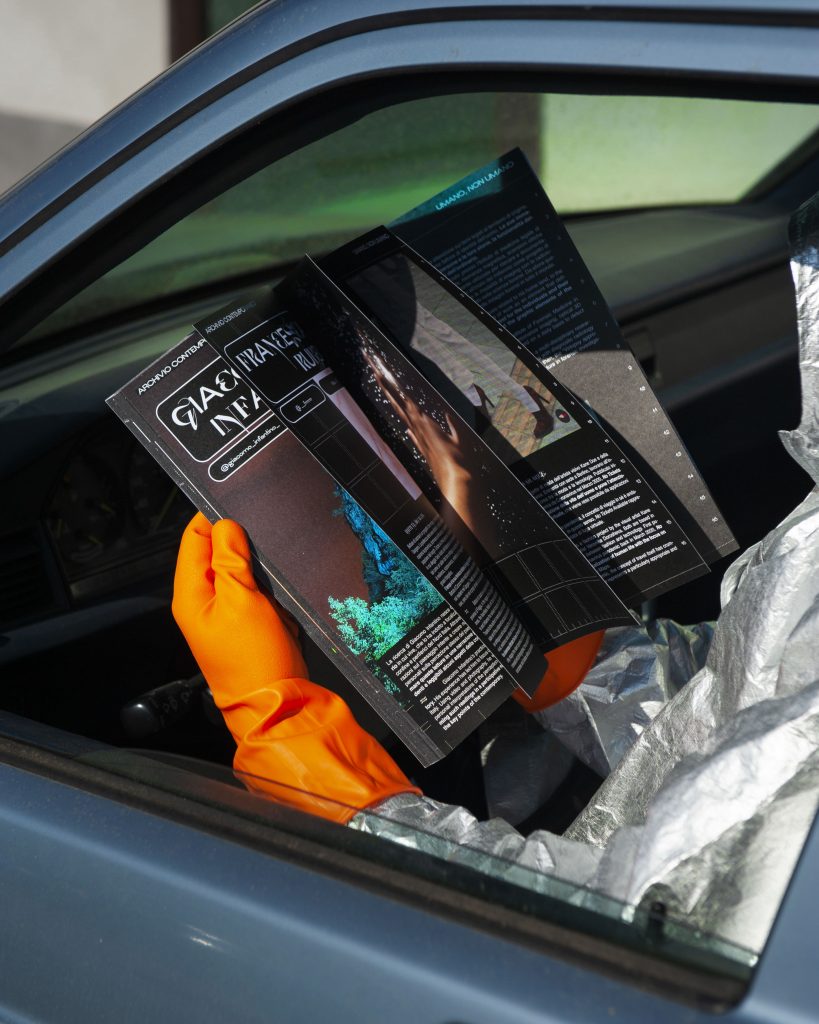
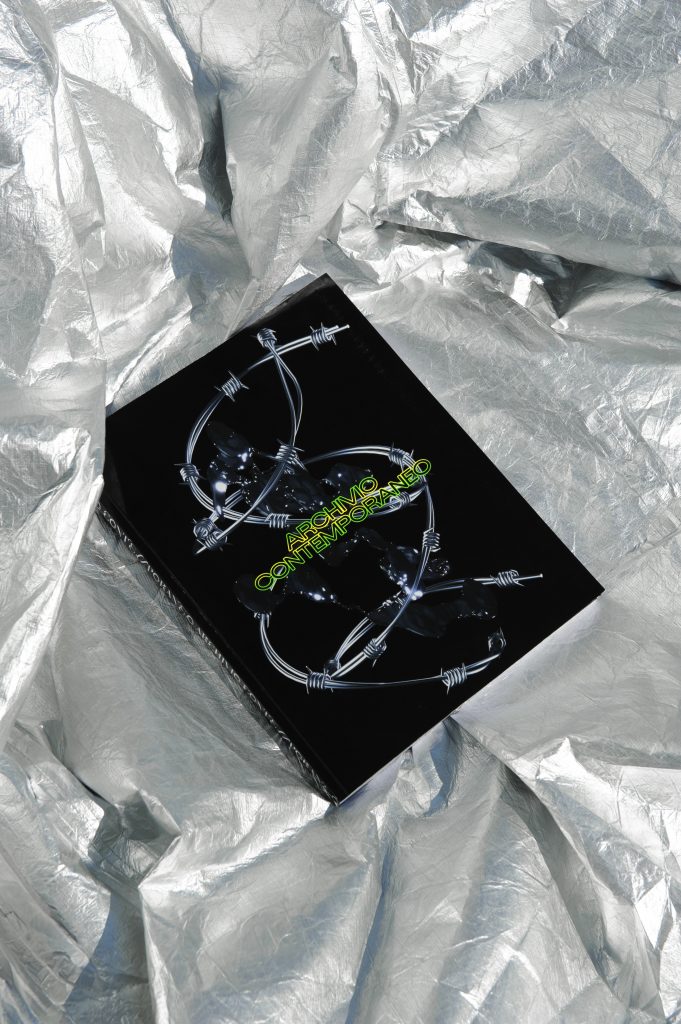
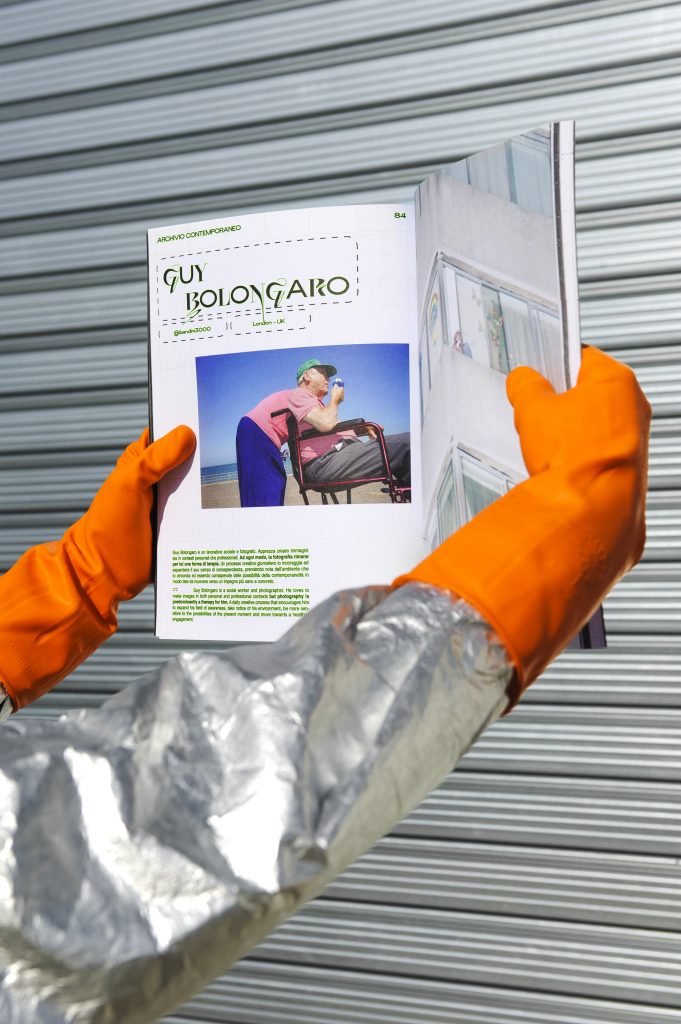
As Creative Director of Videocittà, he has worked within monumental landmarks like the Gazometro, La Nuvola EUR, and the Italian Pavilion at Expo Dubai. Beyond this, his practice extends across curatorial research platforms like Archivio Contemporaneo, major cultural programs including EUR S.p.A.’s “Eur Culture per Roma,” and past creative leadership roles at TEDxRoma and Galleria Borghese, alongside collaborations with world-class artists ranging from Max Cooper, Quayola, and fuse* to Giorgio Moroder and Caribou.
Translating the fluid behaviour of water into shifting light within the Gazometro, or navigating the friction between an initial concept and the practical realities of a build, his process remains anchored in a few enduring tensions: monumentality and intimacy, structured architecture and organic form, deliberate planning and the space left open for discovery.
In the interview below, we speak with Michele about the evolution of his brainchild, Visioni Parallele, the creative potential hidden inside technical constraints, and how digital media might ultimately serve to ground us back in physical space.
To start off, how do you define yourself? Artist, creator, art director, or something else entirely? What are all the different roles you fulfill in your practice?
I define myself primarily as an Artistic Director, Creative Director and Curator. My work moves between developing a vision and creating the conditions for that vision to become real.
Depending on the project, I move from curatorial research to creative direction, from artist selection to the development of visual and spatial concepts, all the way through to production. I’m especially interested in projects where visual arts, digital culture, sound, performance and architecture come into relation.
For this reason, I’m not particularly attached to a single definition. What interests me most is connecting different disciplines, people and languages, and building an experience around those relationships.
How would you define your artistic style? What makes a piece unmistakably yours?
I find it difficult to define my work through a precise aesthetic style, because I think what returns most consistently is an approach. I’m drawn to hybrid languages, contrasts and spaces with a strong identity. In my projects there is often a relationship between something physical and something immaterial or digital: architecture meeting light, sound, image or movement.
I’m also very interested in the collective dimension of an experience: that moment when a work changes the perception of a place and the audience becomes part of that transformation. Perhaps what connects my work most is a tension between monumentality and intimacy: creating large-scale experiences that can still generate a very personal reaction.
How was Visioni Parallele born, and what was the core vision driving it from day one?
Visioni Parallele was born in 2016 from a very spontaneous need: to create a space where different practices and languages could coexist.
At the beginning, we created installations using old CRT televisions and brought them practically everywhere: clubs, festivals, cultural spaces and public places. It was an extremely experimental phase. We had few resources, so we learned by doing, building things ourselves and involving people who shared the same curiosity and sensitivity.
The core idea has remained very similar: bringing contemporary creativity and technology into dialogue without rigidly separating disciplines. Today, the scale of the projects is completely different, but the desire to create encounters between visual art, sound, performance, technology and space remains at the foundation of the studio.
There was also an important personal moment in 2016. I was at Kraftwerk in Berlin to see Alessandro Cortini perform live during Berlin Atonal. That experience made me understand how deeply sound, image and architecture could merge into a single emotional environment, and it gave me a lot of confidence to believe more strongly in my ideas and in the people with whom I was beginning to build Visioni Parallele.
Could you walk us through the process of taking a momentary spark of an idea and making it real? Do you work primarily in teams or is this a solo mission?
Almost everything starts from an image, a feeling, a place or a question, rather than from a specific technology. I first try to understand the core of the idea and what kind of experience could communicate it.
From that point on, the process becomes completely collective. I strongly believe in teamwork. A project becomes interesting when different sensitivities begin to modify and enrich the initial idea: artists, designers, creative technologists, musicians, architects, producers and technical teams.
For me, technical production plays a fundamental role. The production team is not simply there to execute an idea; it enters directly into the creative process, because it is what allows imagination to become something genuinely possible. Very often, a technical limitation changes the initial project and actually makes it more interesting.
So there may be an individual initial spark, but the real work begins when that spark becomes shared.
In the pre-production phase of an installation, what are the most genuinely testing moments? Are there any specific anecdotes from your career that have left a lasting mark on you?
The most delicate moment is almost always when an idea meets reality.
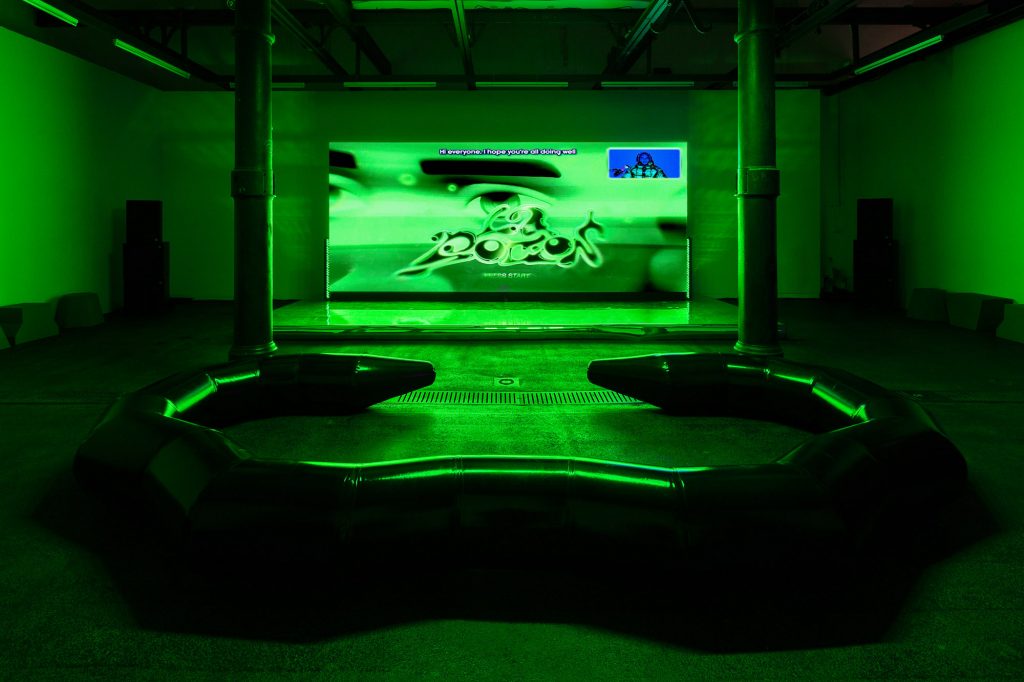
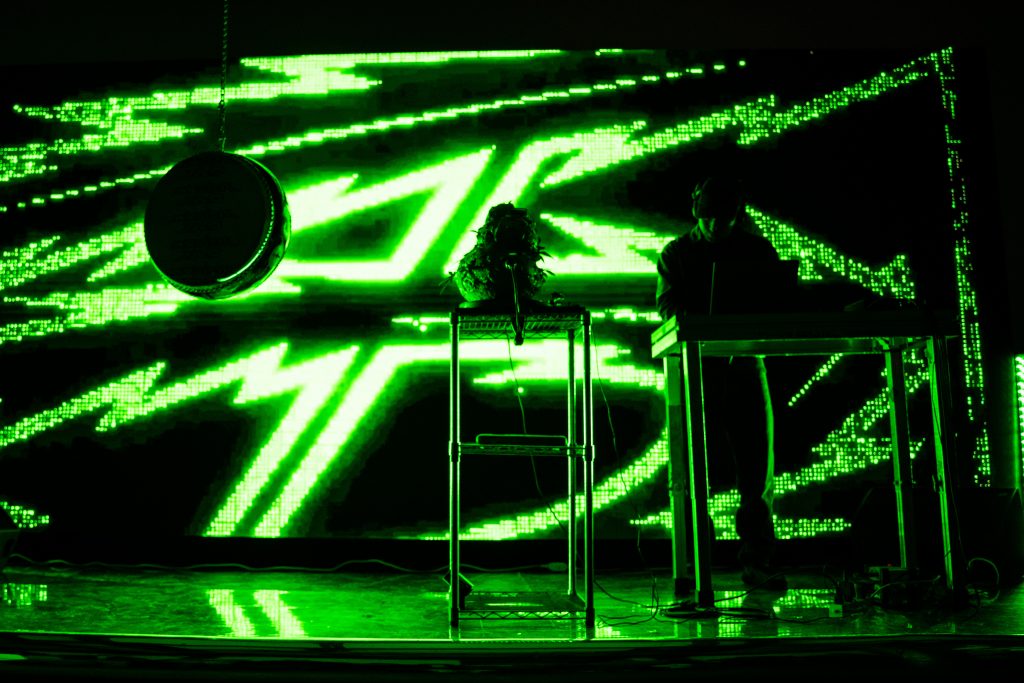
In a render, practically anything can seem possible. Then you enter the real space and have to deal with architecture, weight, electrical power, safety, weather conditions, acoustics, budgets and production timelines.
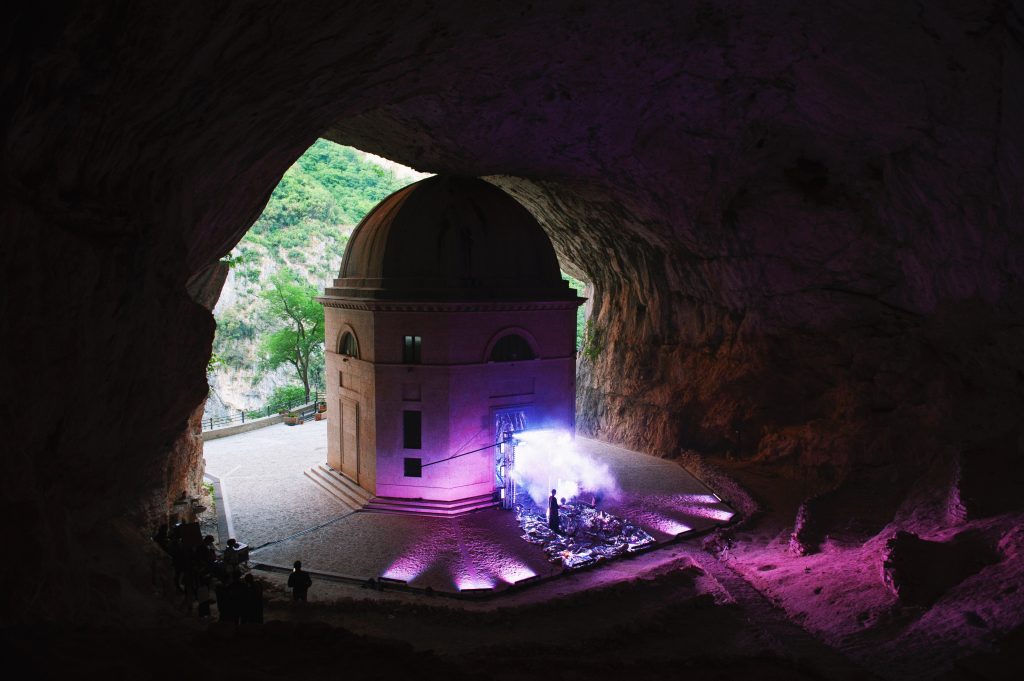
This becomes even more complex when working in monumental or protected spaces. Many of my projects have been developed in places such as the Gazometro, Villa d’Este, the Italian Pavilion at Expo Dubai, La Nuvola or the Palazzo dei Congressi, so every intervention has to find a balance with architecture that already has a very strong identity.
One of the most important lessons I’ve learned is that limitations can become part of the creative language. Some of the best solutions emerge precisely when something you initially imagined cannot be realised as planned.
What nourishes your creativity and feeds your imagination the most when you are looking for new inspiration?
Curiosity is probably the most important thing. I constantly observe what surrounds me and ask myself why something affects me and how it could be interpreted differently.
I find inspiration in very different areas: sociology, different cultures, natural landscapes, music, visual arts, technology, architecture, but also in the most everyday experiences.
I spend a lot of time at festivals, museums, galleries and record shops, but I also strongly believe in the value of boredom and empty time. You don’t always have to actively search for an idea; sometimes you need to create enough space for the idea to find you.
Doubt is also part of creativity for me. Questioning your own point of view can be uncomfortable, but it is often precisely in moments of uncertainty that the most interesting intuitions emerge.
Focusing on your work with Videocittà—how did you first get involved with the festival, and what is your primary role there today?
I first became involved with Videocittà by working on the artistic side connected to performances and audiovisual languages. From there, my involvement gradually grew alongside the evolution of the festival.
Today I am Creative Director and, following the vision of President Francesco Rutelli, I focus particularly on the development of installations and audiovisual performances: from artistic research and commissions to building the programme and shaping the relationship between the works and the spaces in which they are presented, especially in the context of urban regeneration.
One of the aspects that interests me most about Videocittà is precisely this: the venue is never simply a container. Architecture becomes part of the artwork and part of the audience’s experience.
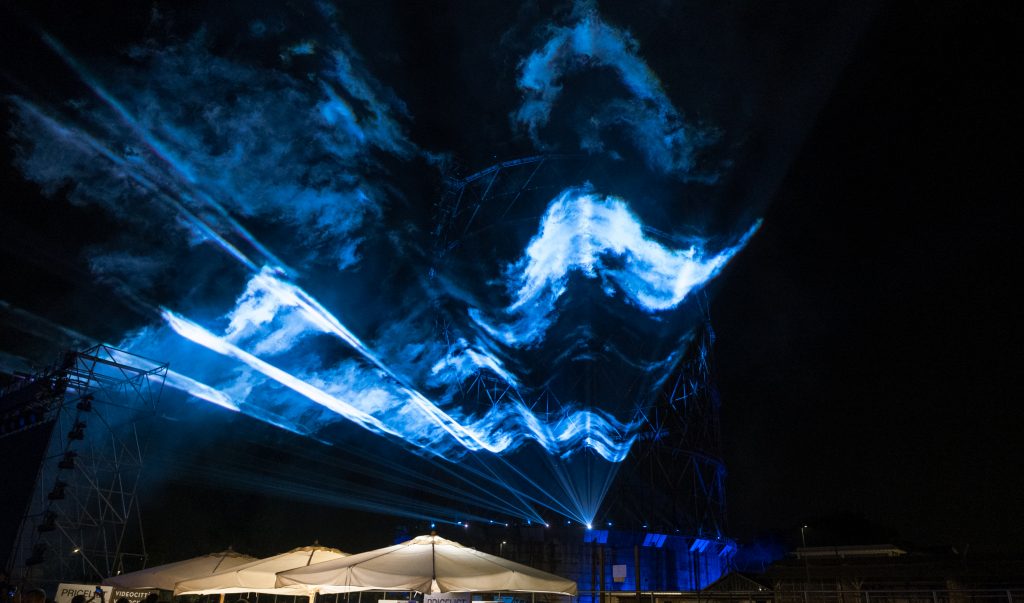
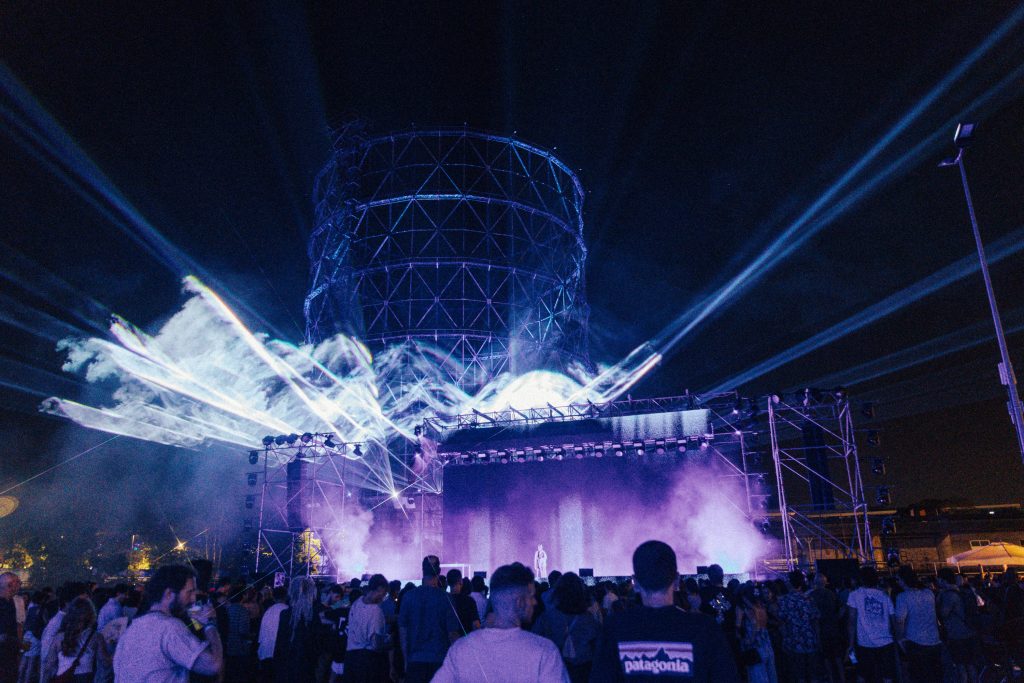
Considering this year’s theme was WATERCULT, the installation UNDA plays a substantial role in exploring the symbolic significance of water—specifically its fluid continuity and the fact that it never repeats a pattern identically. How did you manage to translate that concept into the physical and digital space?
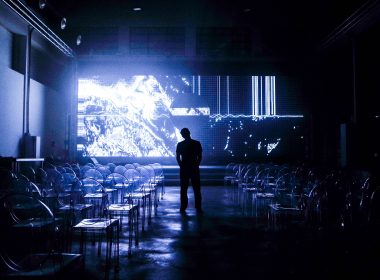
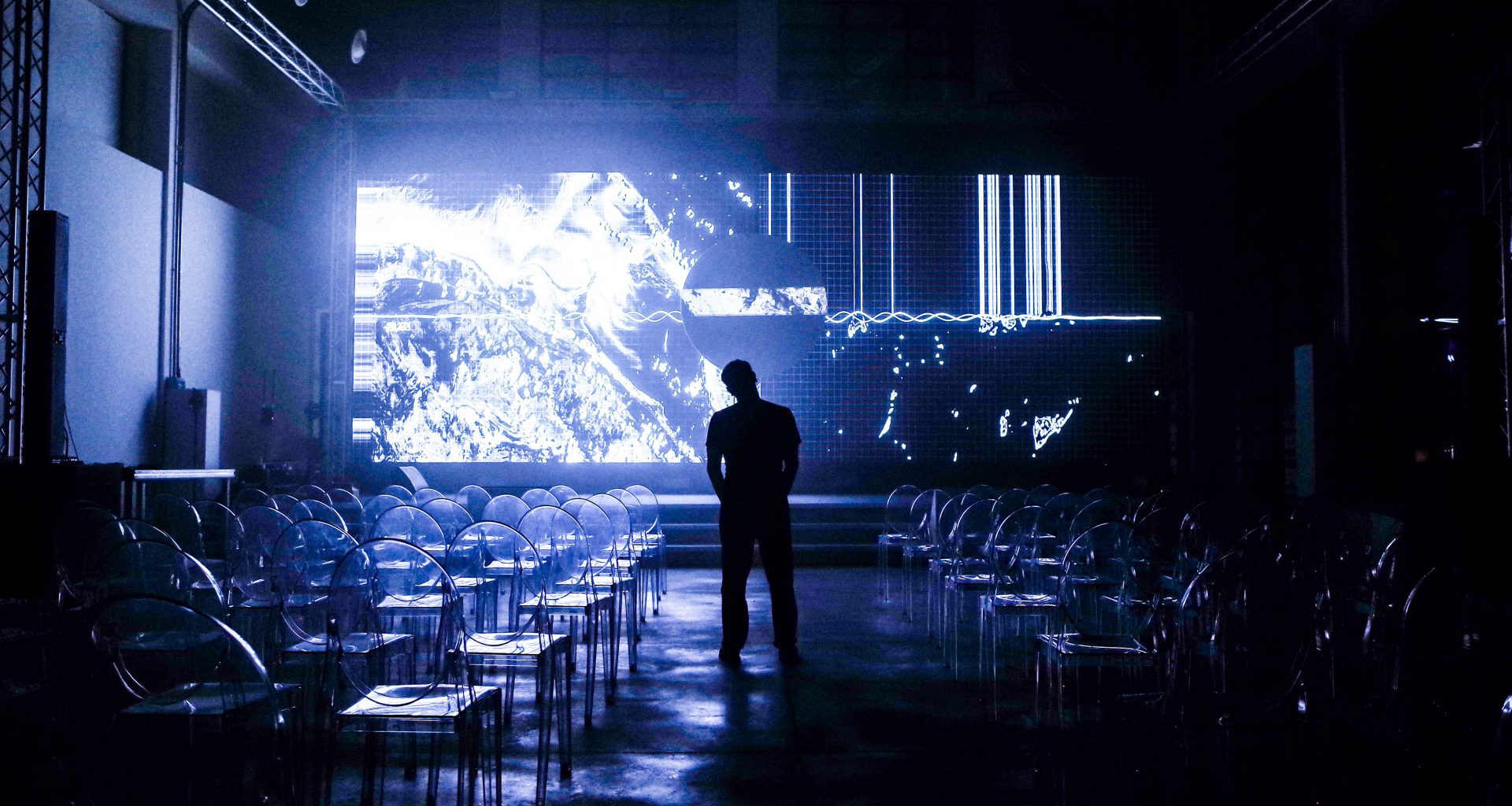
The starting point was its behaviour: continuity, transformation, instability and, above all, the idea that a movement can repeat without ever being exactly the same. The work was conceived in direct relation to the industrial architecture of the Gazometro. Light becomes almost a physical material, moving through the space and generating a presence in constant evolution.
Rather than representing a wave, we wanted to reproduce its logic: a form that propagates, changes and continuously recomposes itself.
One of the most interesting aspects is precisely the contrast between the rigid geometry of a large industrial structure and something that behaves organically and fluidly within it. The architecture defines the structure, while light introduces movement and instability.
Given the monumentality of the Gazometro, it was also important to consider multiple viewpoints: those of people entering and experiencing the installation in dialogue with the activities programmed throughout the festival, and those from which the structure—one of the largest in Europe—can be seen across different parts of Rome.
How did you first break into the music industry, and what made you stay in it?
I started playing records when I was 15, and from there I moved into DJing and live audiovisual performance. Over time, that experimentation became increasingly experiential through installations, where I often start from a musical track and build the rest of the experience around it. Through festivals and cultural projects, I first began curating live shows and performances, and then increasingly connecting musicians, visual artists, digital artists and spatial design.
What continues to fascinate me is the physicality of sound. Music can immediately transform a space and create a collective experience. When it enters into dialogue with images, light and architecture, it becomes something you perceive with your whole body.
Looking forward, where do you see the intersection of digital media, sound, and physical space evolving next?
I believe we are gradually moving beyond the idea of digital media as something that simply lives inside a screen.
The direction that interests me most is becoming increasingly environmental: technology entering architecture and space to the point where the interface almost disappears. For me, technology becomes truly interesting when we stop looking at the technology itself and start perceiving what it allows us to experience.
I also believe that physical and collective experiences will become even more valuable precisely because such a large part of our daily lives takes place through individual screens. Digital media can become a tool for bringing bodies back together in physical space.
Do you have a tool or space you haven’t worked with yet but are dying to explore?
I would like to work more radically with the natural landscape, and especially with water itself as a physical space: the sea, a lake, a coastline, or an environment where the work has to coexist directly with natural phenomena.
After working extensively with monumental and industrial architecture, I find the idea of confronting a landscape where conditions cannot be completely controlled very stimulating.
What is one rule of creative direction you always break?
The idea that everything has to be completely resolved before you start making it. I like to leave room for modulation once the installation begins to take shape in the physical space. I like to preserve a certain degree of incompleteness within the process. If everything is decided from the beginning, there is very little room left for discovery. Sometimes something you hadn’t planned becomes the most powerful part of the work.
I have always been drawn to incompleteness for exactly this reason: it leaves space open for possibility and imagination.
You might be reading this because you caught Lotti’s work at Videocittà, or you’re curious about what event to go to next. Either way, XCEED has you covered wherever you are.