

Many genres hit with the same kind of nostalgia as Jungle, depending on your context. For anyone who has spent time around Bristol’s subterranean club scene like myself, or fallen back into d’n’b, breaks, and halftime specs recently, Jungle carries that elusive presence that can’t help but feel deeply familiar.
I wasn’t even around when this movement started teasing its way around the UK’s scene, but that era feels like it’s etched somewhere deep into our veins – at least for anyone who enjoys electronic music today. Its roots are often misunderstood, however, folded into the broader history of UK rave culture and the city’s culturally mixed, working-class neighbourhoods, where it originally took shape.
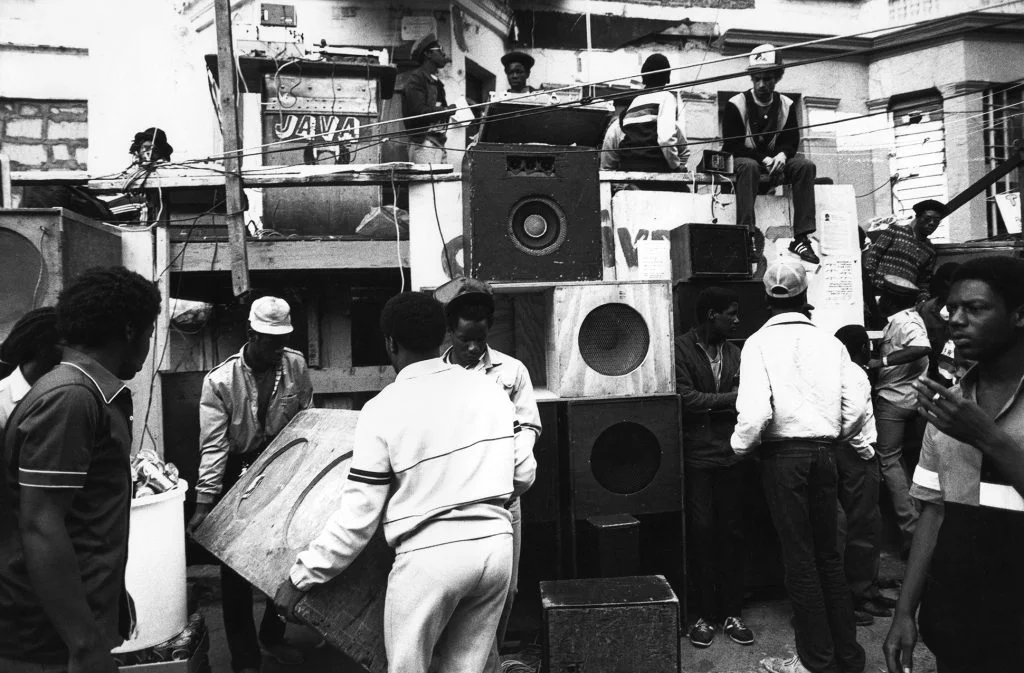
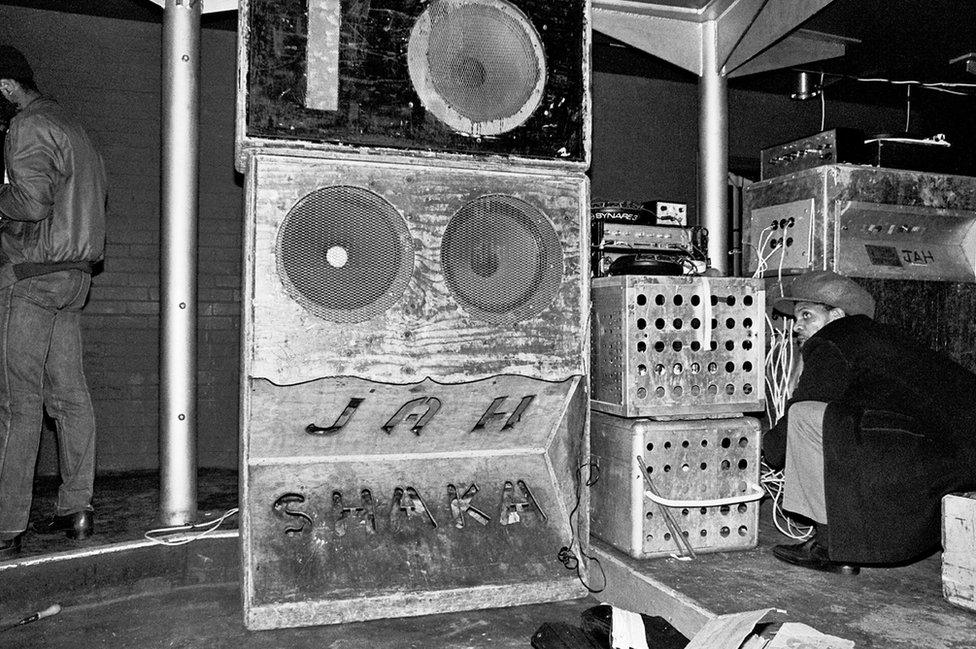
Appearing back in the ’90s, the British youth’s unapologetic attitude had no intention of ignoring the new sound coming from Caribbean sound systems subbing down the street in their neighbourhood. At the time, Jungle was becoming a feverish mutation of breakbeat hardcore, and the electronic music scene, which was already finishing its obsessive acid house wave, was about to embark on one of the most influential curveballs in how young people and future UK selectors would interact with the rave scene.
As most new sounds go, though, there was an inherent uncertainty tied to this new movement, because the genre quite literally didn’t know what it was doing yet. The freedom artists started producing with was something completely bewildering for the house and techno regulars, but it was also evidently relieving.
Reggae had just become a massive part of the local cultural influence, with immigrants from the Caribbean arriving and spreading their sound system culture around the country. And since chopping up funk songs and breaking beats into syncopated mayhem had already found its footing in hip-hop, there was really nothing else left but to drop this cocktail of sonic experimentation directly into house music.
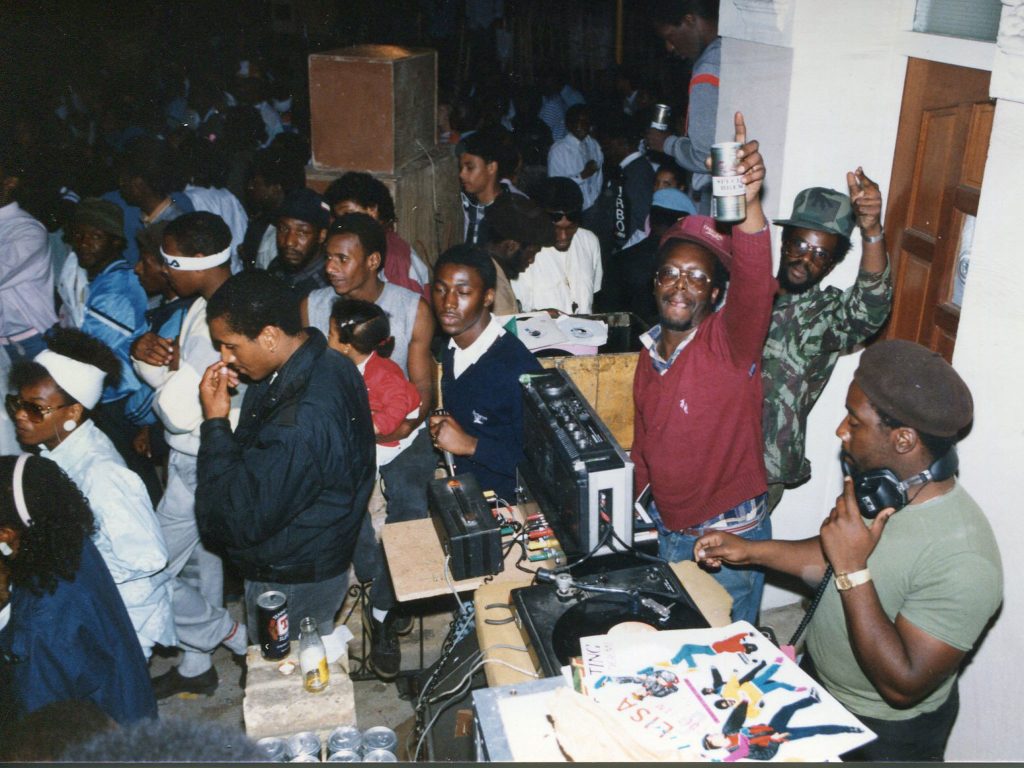
Lo and behold, as this frantic new sound began to solidify, it ran quite quickly into a bit of a crisis. If you look back at the UK music press and the gatekeepers of the early ’90s, the word “jungle” wasn’t originally handed out as a compliment. For the techno elite and general mainstream figures, the music was too dark, too unpredictable, and far too alien to the 4/4 grid of traditional house and techno. Dismissing and highly misinterpreting it, mainstream critics used the term as an easy way for outsiders to exoticise and marginalise a sound they couldn’t control. As a genre that dared to centre itself around complex African-Caribbean polyrhythms and devastatingly exciting sub-bass.
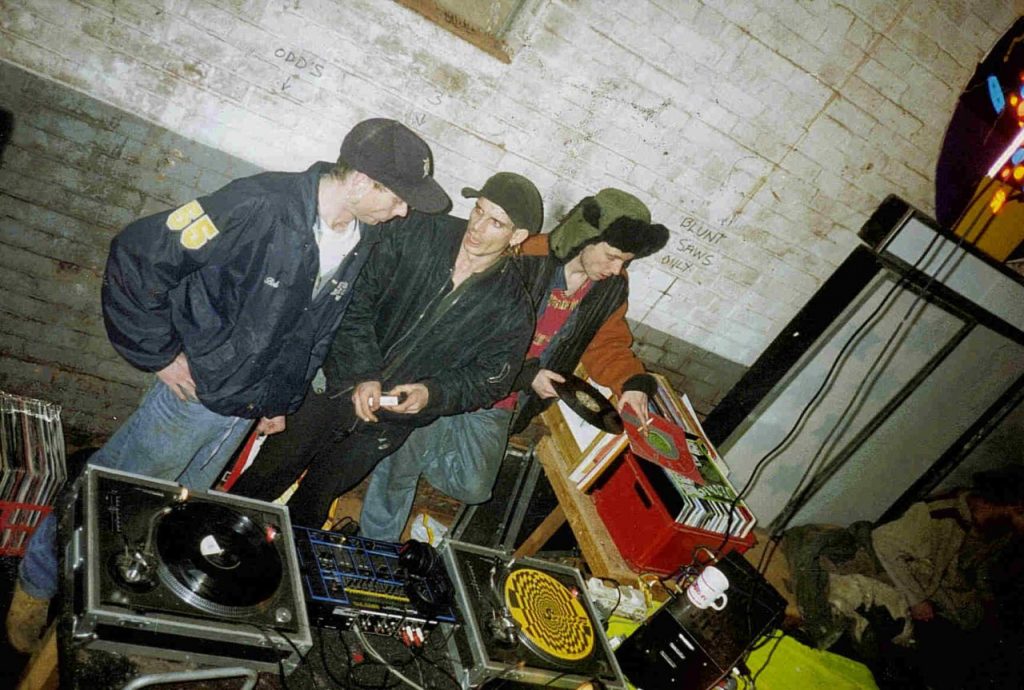
But in true underground fashion, the scene took matters into its own hands. It executed one of the finest counter-moves in electronic music history by hijacking the dismissal, flipping it on its head, and reclaiming the term as a badge of honour.
One widely cited origin theory traces the real roots straight back to the Tivoli Gardens, a notoriously turbulent neighbourhood in Kingston, Jamaica, nicknamed “The Jungle” back in the ’60s and ’70s. Although it is just word of mouth, most directions point to the local sound system massive who ran that area as the original Junglists. When members of that diaspora moved to London, bringing their heavy bass culture and microphone toasting along with them, they’d shout “junglist” on the mic to greet the crowd. This created a tribal and cult feel within the genre and would eventually give way to the MC culture present in the grime and drill scenes years later.
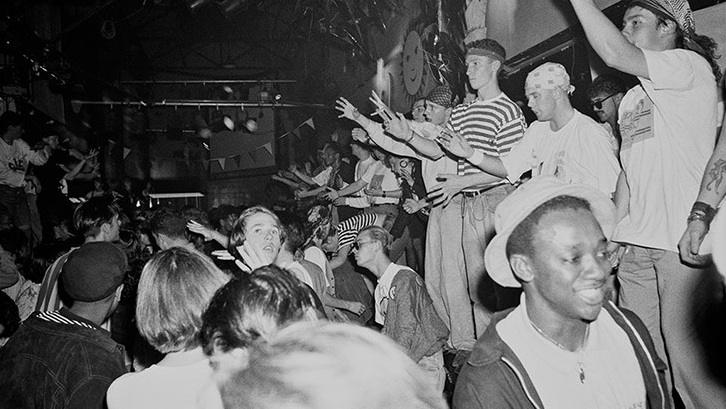
At the same time, the youth in London’s culturally mixed, working-class neighbourhoods were looking around at their own surroundings. It didn’t take a genius to connect the dots between the sonic warfare happening in the clubs and the reality of navigating Britain’s own concrete jungles. The two theories satisfyingly fed into each other, creating a perfect storm of multicultural defiance. The emergence of Jungle’s atmospheric, sample-led, broken-beat sound outdid itself, built by a community that knew exactly how to make a sped-up BPM ranging between 130 and 180 really hit the spot.
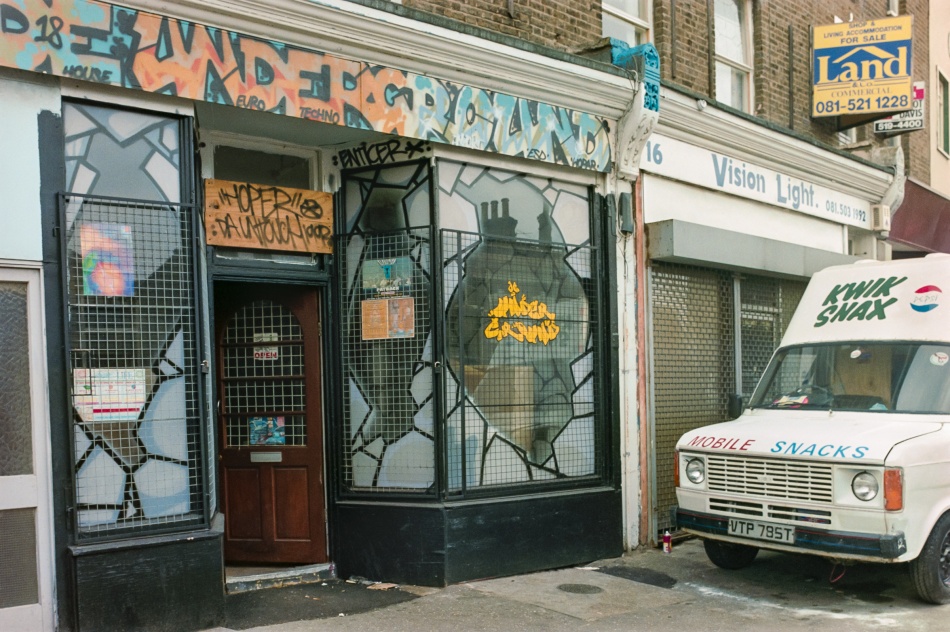
If you want to trace how this sonic warfare actually laid its blueprints, you have to look at East London, specifically a tiny record shop in Forest Gate called De Underground Records. Run by Mike De Underground, Uncle 22, and Randall, this was the ultimate incubator for the scene.
Upstairs in their primitive studio, a producer named Lennie De Ice was tinkering with a hybrid sound that would change everything. In 1991, his track We Are I.E. dropped like a bomb. It took an accelerated Amen break, threw in a dubbed-out reggae bassline, and added a hip-hop style gunshot sample. It was arguably the first time all the ingredients of proto-jungle were served to the crowd, and when DJ Randall dropped the dubplate at the Living Dream raves, the dancefloor didn’t even know how to move to it at first. It was simply too new.
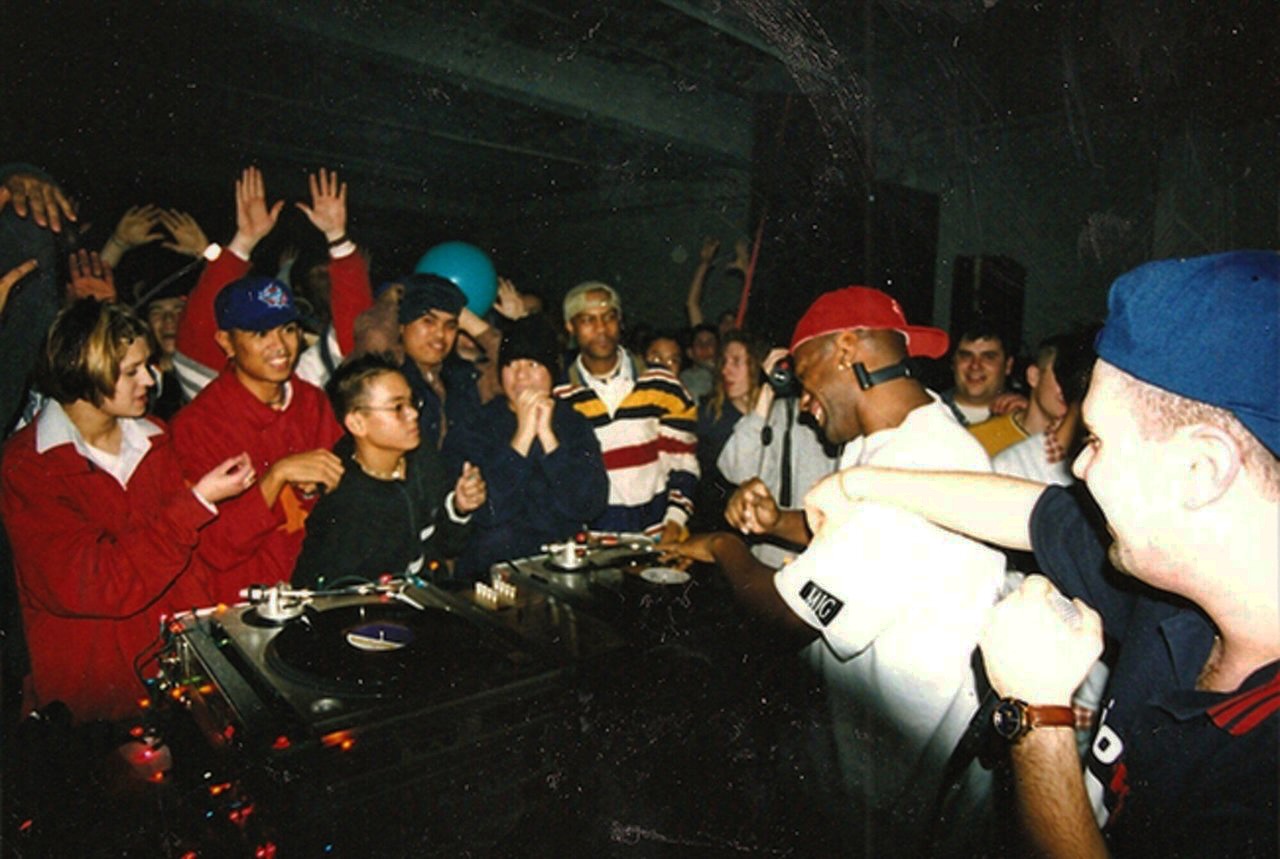
As the sound migrated across London’s pirate radio airwaves and into legendary venues like The Dungeons on Lea Bridge Road or the iconic Rage nights at Heaven, different corners of the scene began pushing the music into distinct sub-genres.
Over in West London, Shy FX was leaning heavily into the Caribbean heritage of the streets, fusing reggae sound systems with the velocity of the UK hardcore rave. When he linked up with Gunsmoke to unleash Original Nuttah in ’94, it became an instant anthem for the movement. Meanwhile, Congo Natty was injecting Rastafarian themes and hyper-speed ragga vocals into tracks like Code Red. You also can’t talk about that era’s energy without Remarc, the undisputed king of the Amen chop, whose tracks like “RIP” tore drum loops into shreds so complex they laid the groundwork for all future drum programming.
But Jungle didn’t stay in its cave for long. While one half of the scene was keeping things proper back of the basement raw and sub-low, other producers started looking more upward, getting a feel for the deep sense of widescreen artistry in the chaos.
Down in Manchester, A Guy Called Gerald, who had already solidified himself as an acid house icon with Voodoo Ray, completely reassessed his relationship with machines. He began treating samplers like an instrument rather than a loop machine. The culmination was his 1995 work of art, Black Secret Technology, an album so rhythmically intricate and textured with warm, atmospheric layers that it remains one of the highest watermarks electronic music has ever seen.
Simultaneously, the one and only LTJ Bukem was pioneering what people called “intelligent jungle,” which later evolved into intelligent drum and bass, introducing the lushest textures to his productions with ambient pads and jazz-influenced chord progressions that made the experience incredibly immersive. On the flip side of that widescreen coin, producers like Photek and Source Direct took those same atmospheric ideas but dragged them into the shadows, swapping lush jazz chords for icy, sci-fi minimalism.
Yet, this rapid evolution eventually triggered a massive internal split. One that still confuses people outside the scene today. Jungle is essentially what invented Drum and Bass, but they are absolutely not the same thing.
By 1996, a newer guard of producers wanted complete and utterly engineered control over their tracks. Led by the likes of Goldie and the formidable DJ duo Kemistry & Storm, the Metalheadz imprint that launched in’94 became the epicentre of a major aesthetic change. Goldie’s symphonic Timeless album blew the doors off what people thought a rave album could be, but it also signalled a colder era, giving way to what would be then the famous drum and bass scene. Look at DJ Hype and the Suburban Base camp, who were taking those rave elements and hip-hop samples to create real bangers.
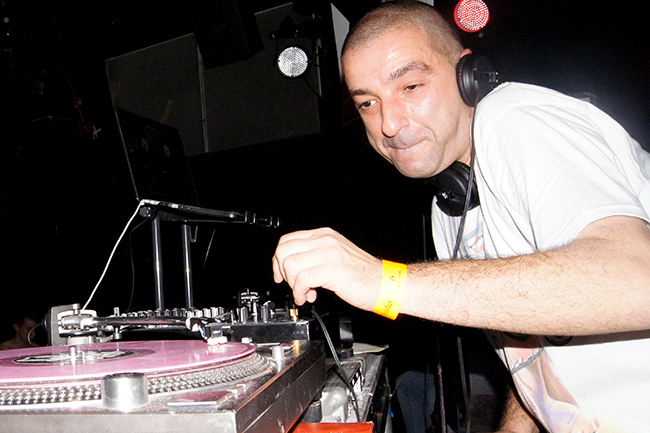
Here, producers stepped away from the warm samples of classic jungle. Instead of sampling old funk and soul breaks and chopping them manually, artists like Dillinja (a perfectionist who practically engineered his own custom sound systems because standard rigs couldn’t handle his frequencies) began synthesising their own drums from scratch instead of chopping them up from a hip hop track. They layered them into leaner, more mechanical, and aggressively precise loops. They stripped out the dub reggae atmospheres and replaced them with colder textures, officially welcoming drum and bass into the picture.
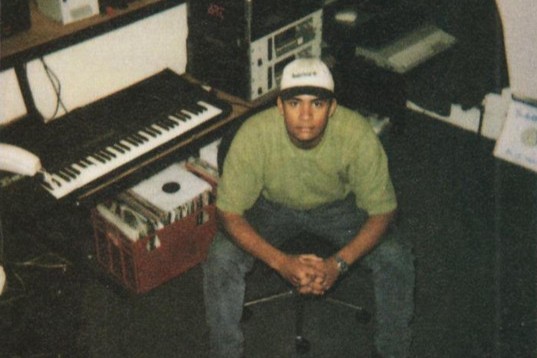
It’s safe to say that since then Jungle has never really left the scene. With a slight dip in between the 00’s and 10’s, there was no chance it was gonna stay lodged in the background. People have appreciated the music and had their fair share, but a new generation of peers is starting to pick up on it again, maybe even more so than before. As time proves again and again, an unparalleled art form like this is like fine wine: it always ages pretty damn well.
Some might see this as simple nineties nostalgia. However, a phenomenal new vanguard has stepped up to the machines, breathing fresh oxygen into the genre using insane modern studio techniques. Artists like Tim Reaper and his Future Retro London imprint have effectively reimagined how to mix old-school foundations with a sharp finish, pushing the absolute technical limits of the drum chop. Beside him stands Sully, a master of dark and devastating club weight, using a sense of space that feels extremely futuristic.
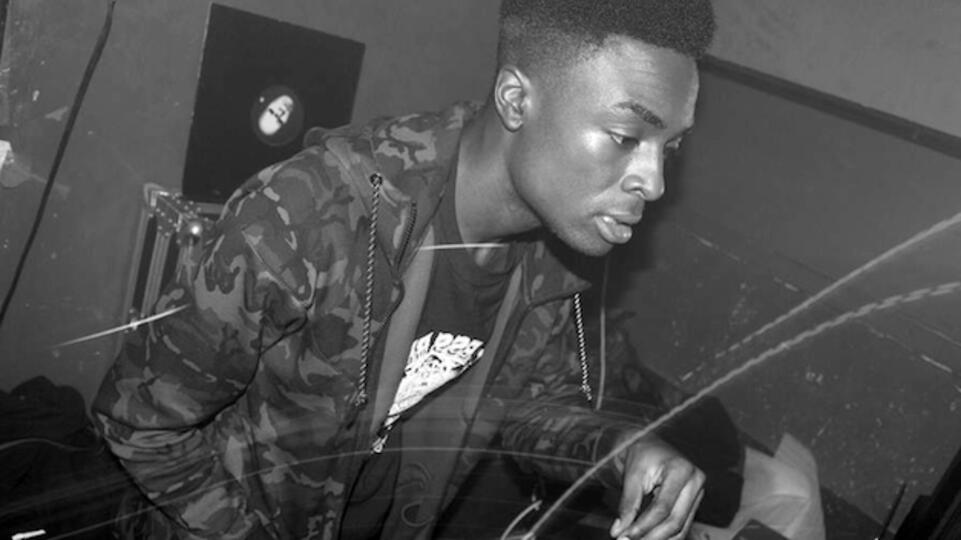
Meanwhile, the emotional, widescreen atmosphere of the genre’s golden era is being kept alive by producers like Coco Bryce, who pins gorgeous synth pads to rolling breaks, while acts like 4am Kru bring the rowdy, live analogue energy of early warehouse raves straight into today’s clubs. You also can’t talk about the modern landscape without Nia Archives, who has single-handedly expanded the genre’s identity by weaving indie vocals through those tearing basslines, carving out a whole new female vocal presence in dnb that millions of artists are now following.
When you look back at it all, Jungle aged amazingly well, eventually giving way to offshoot genres which would be almost impossible to count down to the T. It directly fed the beginnings of drum and bass, ran a fierce parallel course alongside UK garage, and provided the heavy sub-load that would later mutate into dubstep, grime, and halftime specs. Now, with the undeniable resurgence of its popularity, we realise just how crucial this music is to the entire electronic arena.
Enough class time for today; we know you’re itching to go out and actually dance to some real music. We’ve got you covered over at XCEED.