




It’s not like this has been lacking coverage around the music scene, but as many small revolutions go, the music streaming world is an uphill journey which requires vigorous attention, especially the kind that doesn’t fade after the trend dies down and moves onto the next politically challenging subject. Maybe I’m throwing the ball too far by mentioning politics, but when you narrow down the ecosystem musicians are forced to inhabit, most lines wind up in a bureaucratic conclusion.
Deciding where to lodge your music as an artist or where avid electronic music listeners should spend their coin has become a minefield. It feels like the streaming world is currently a complicated menu with too much choice, and you end up having a mini internal breakdown before ordering the “usual” because who has the mental energy for a different option?
Between the surfacing of KKR as a primary stakeholder in European festivals and Spotify facing the heat for its vending machine treatment of artists, the industry has started pushing back. It is as simple to say as we need a necessary move away from the plutonomy of streaming fees and toward a model of digital emancipation. There’s no need to blow the idea out of proportion; it’s only really a refusal to let the profit of an artist’s hard work be siphoned off by the wrong people, ensuring that the music industry serves the culture rather than just the boardroom.
In this climate, independent and underground creators are realising that chasing the huge numbers might be something of a hollow ambition if a corporation sits between you and your fans. The goal now is to ensure musicians can create freely, without the constraints of a platform’s bottom line. Artists should have the right to own their own product, with many understanding that if they don’t own the home their music lives in, they are just tenants waiting to be evicted by an algorithm. Being aware of these alternative platforms is what the scene may need to survive, both morally and financially.
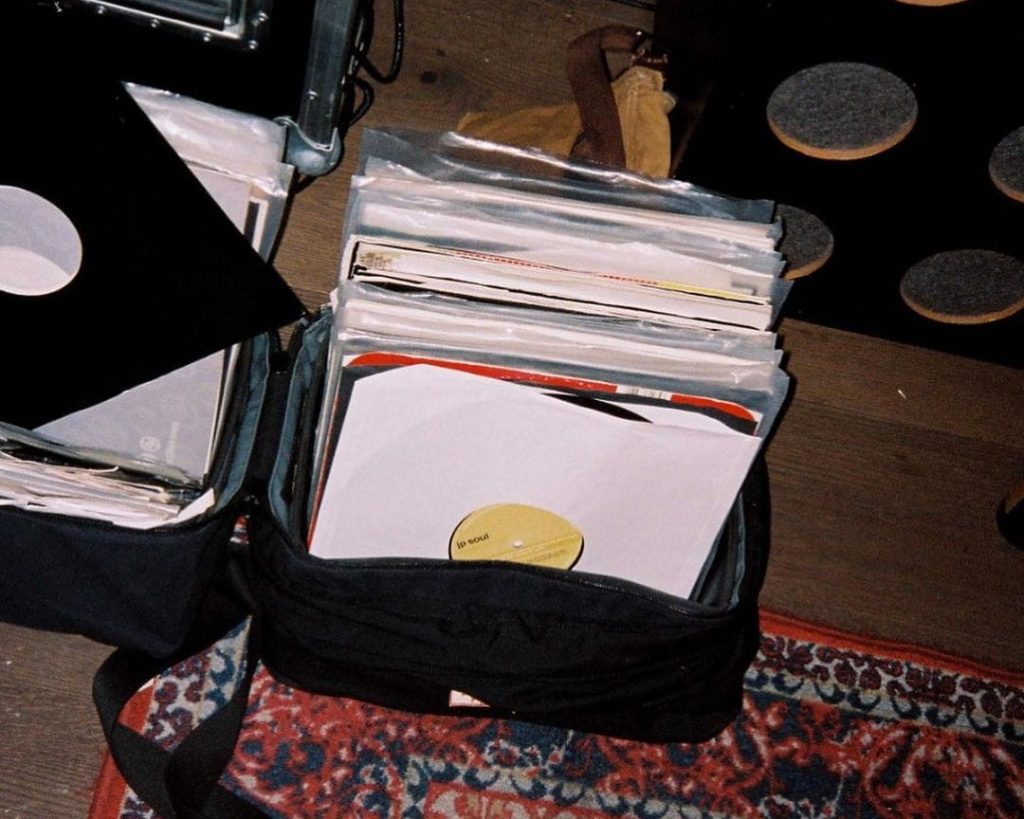
Having said this, here’s the list of platforms where the electronic music scene may thrive that bit more. Note: this is a list for both listeners and creators.
The ones looking for ownership
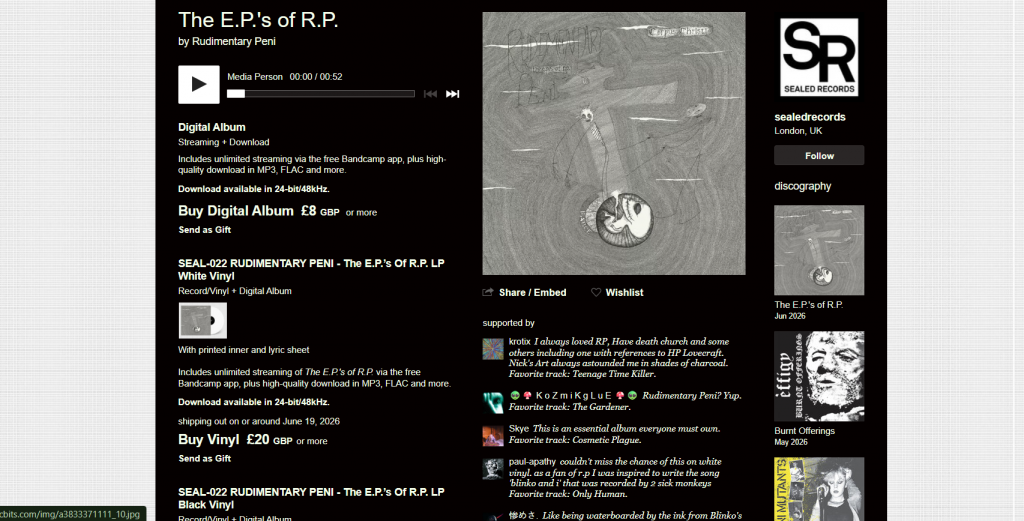
Bandcamp
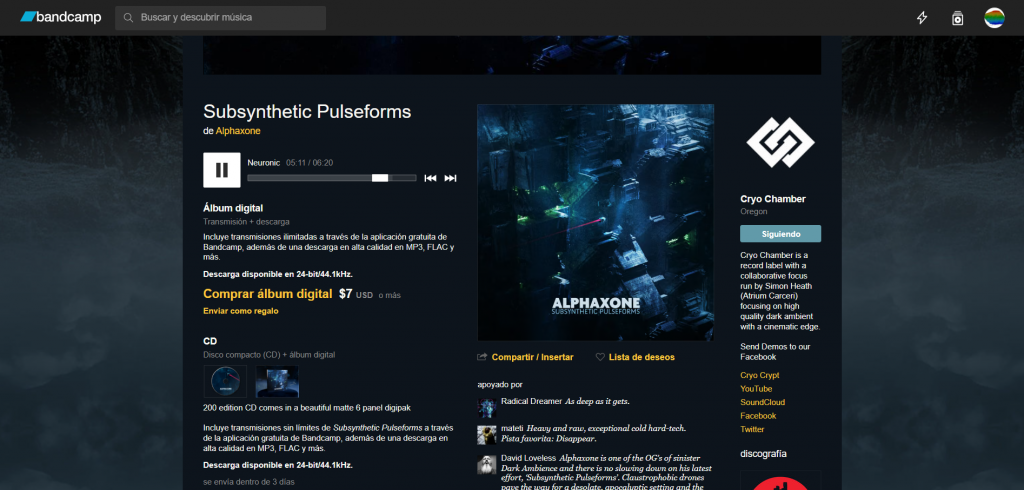
If you’re even slightly part of the scene, trying to mansplain (I can’t think of the mansplaning version in electronic music terms) what Bandcamp is would be borderline insulting. But they are the undisputed gold standard for anyone who actually gives a damn about the culture.
They remain the most trusted space for artist-fan interaction, maintaining an 82% to 90% payout on digital and physical sales, which jumps higher with no commission fee charged on Bandcamp Fridays. It’s a platform where artists retain total control over their work and can communicate directly with their community. And beyond the economics, it’s their reliance on ownership. When a fan buys a record, they own the high-fidelity files (FLAC/WAV) forever, moving away from the rented model of streaming, which happens on platforms I need not even mention.
Crucially, Bandcamp prioritises data sovereignty where you get a direct list of every person who supports your work, allowing you to bypass the algorithm entirely and build a real-world mailing list. Their credibility is further cemented by a human-first philosophy, from their curated editorial deep-dives to being the first major platform to ban AI-generated or AI-imitated music. It’s the digital equivalent of a local record store: transparent, artist-centric, and focused on the long-term health of the culture.
sleeve.fm
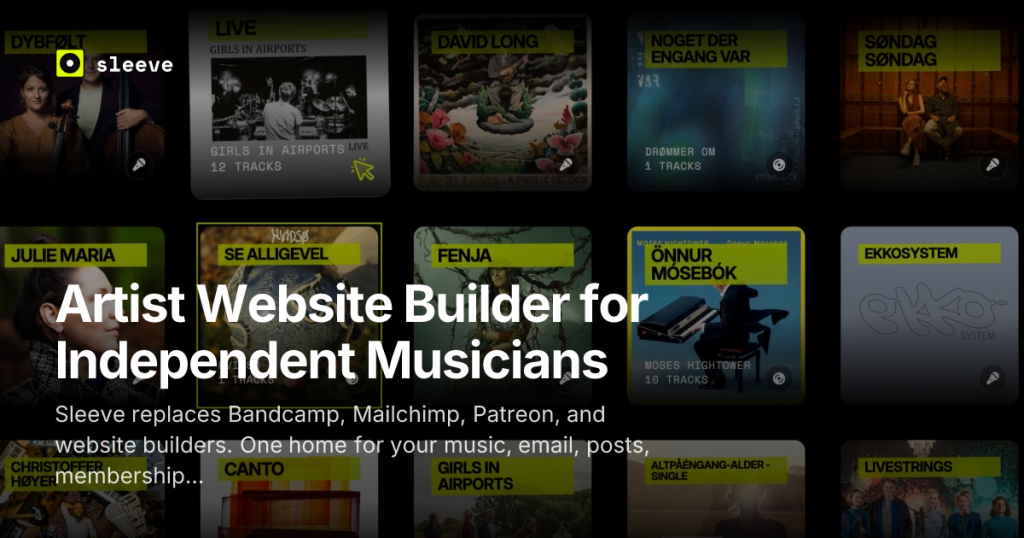
Although Bandcamp basically allows full autonomy of your product, we could consider sleeve.fm as the anti-platform version of the lot. It’s a tool that goes against the coercive control of the bigger machine and literally lets artists build their own dedicated home on the internet to store and sell music. Without any middlemen interfering with the process, you get no platform fees, no corporate interventions. They are proud to lend a space where an artist ultimately becomes the boss of their own product, choosing their own prices, newsletter campaigns and digital record shop – and listening options are either on the app or downloaded as WAVs.
Acid Nation (fka AC55ID)
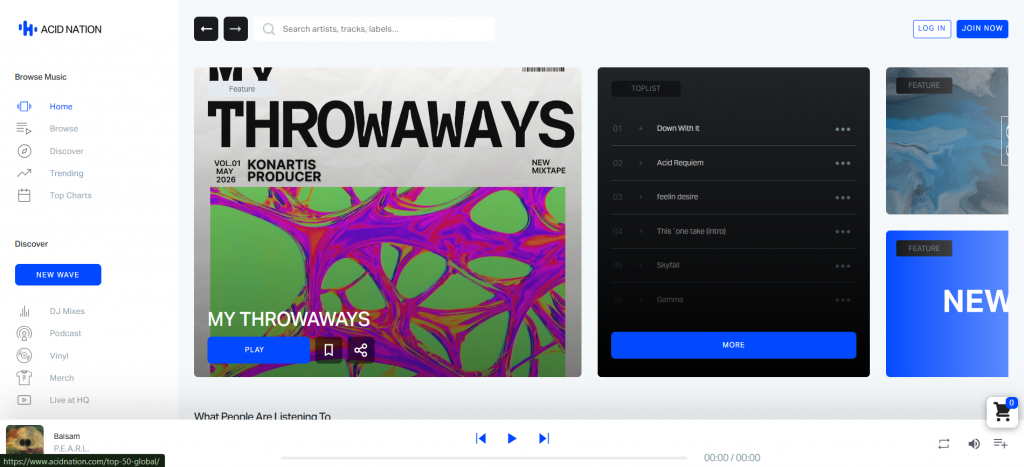
Take, for instance, a flat 10$ monthly subscription where Acid Nation gives artists 100% profit margins. Probably most accurately described as an online marketplace for electronic music where independent artists can sell their music, merchandise and even press their music onto vinyl. It’s important to point out that they lead the charge in sustainability with Bio-Vinyl, a recyclable alternative to traditional pressing, and an on-demand policy that ensures no record is pressed unless it’s already sold, avoiding artists from falling into any sort of peer-pressure debt of joining the wax purist crew.
The ones keeping it high-fidelity and giving higher payouts
Formaviva
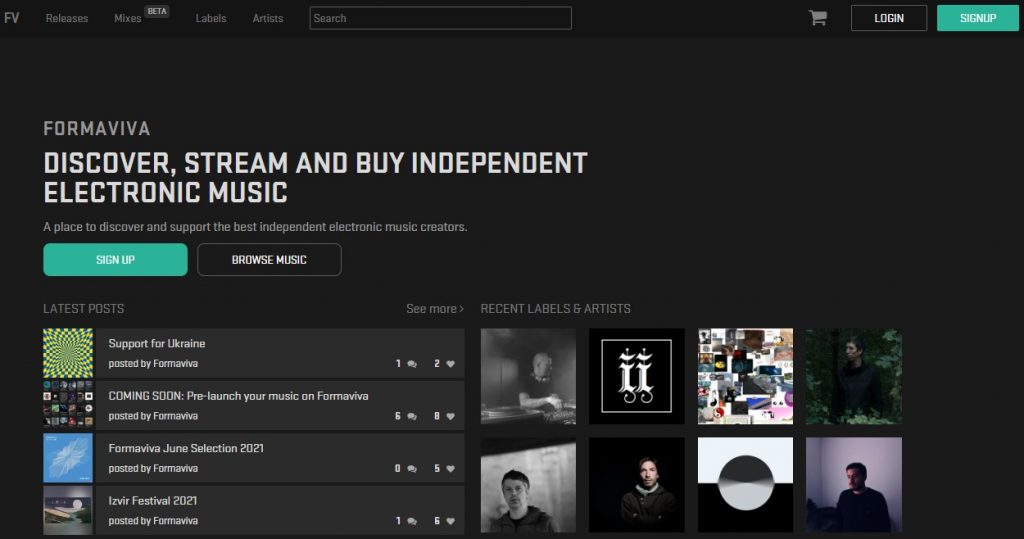
There are many reasons you could be reading this right now, but one of them is probably ‘cause you’re going down the ethical route in music consumption. Well, Formaviva is the one to go for that advantage, designed for the underground and contemporary scene, which treats music with the quality attention it deserves. It prioritises fair compensation and the beauty in real discovery over algorithms, letting you find those hidden gems that the mainstream filter wouldn’t pick up on.
They FKA around with a high-quality wavetable player and transparency in their 75% revenue given to artists. Worth also highlighting a direct purchase option that connects the fan to the artist without intermediaries.
Qobuz
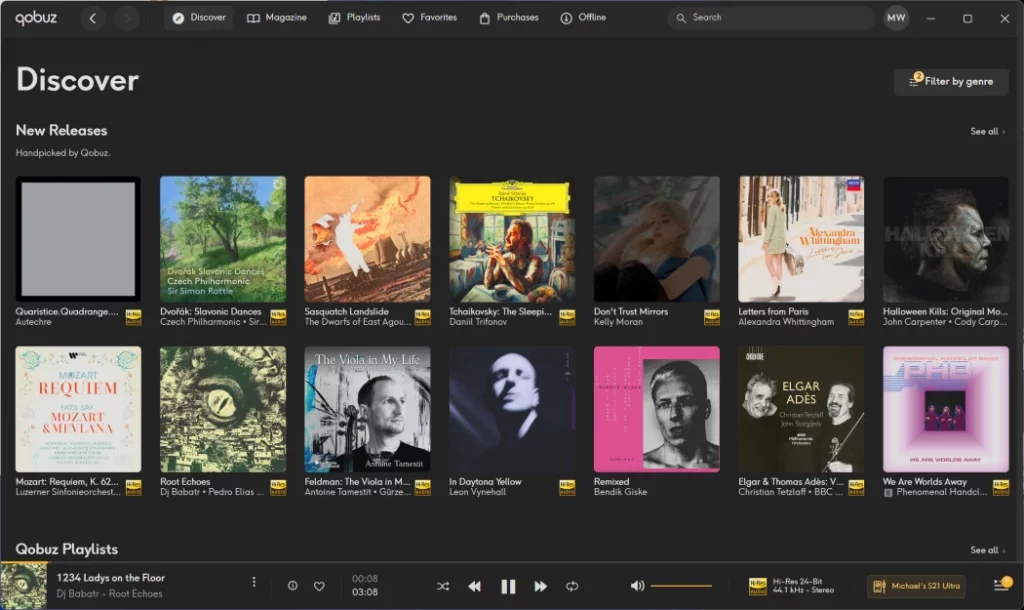
Qobuz is basically the professional choice because it stops messing with your audio quality. While Spotify squashes everything into compressed files that can muddy up your low-end, Qobuz streams in 24-bit Hi-Res, so you’re actually hearing the full dynamic range and every detail in the mix. Famously known for paying the highest rates per stream (we’re talking around 20 euros every 1k streams), it’s also a huge help for networking and research since they provide full credits and digital booklets, making it easy to see exactly who mastered or engineered the tracks you’re using as references.
On top of that, you can actually buy and download the files at a discount if you’re on their “Sublime” plan, which is much better for building a permanent library to drop into your DAW. And here’s the best bit that made me smile: they curate recommendation playlists made by actual people (I know it sounds strange to say, but nowadays you never know) who took the time to find gems, without any algorithmic help.
The industry-proof ones
Beatport
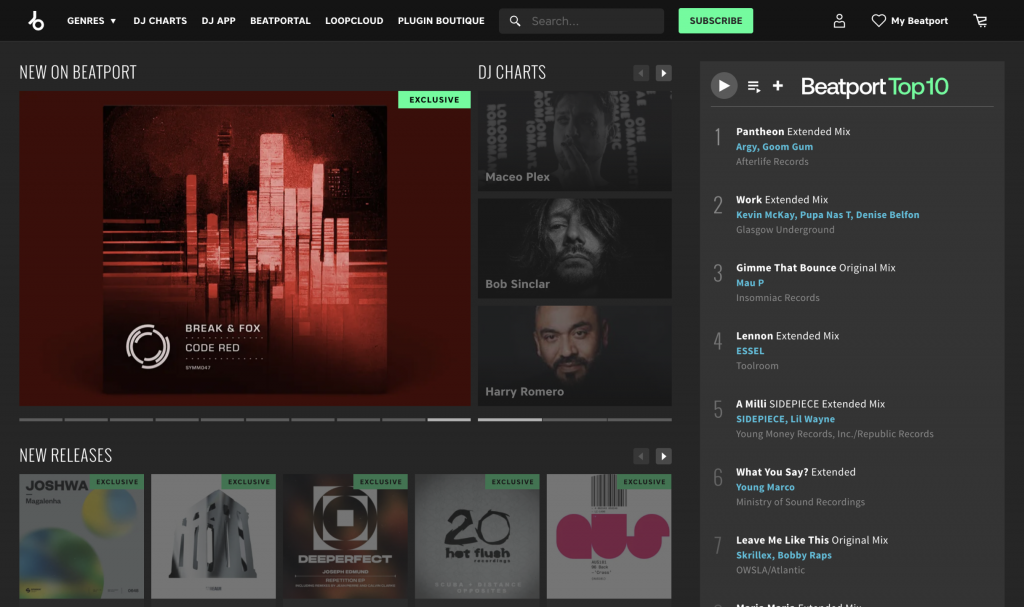
These guys started out as an online music shop and eventually evolved the platform into a streaming service that helps artists organise their workflow. Since they launched the streaming branch back in 2015, you can pull their entire catalogue directly into your DJ software like Rekordbox or Serato, which is a huge tool for testing how your demos sit next to more elaborated tracks in a mix.
Targeting the electronic music realm, Beatport give you BPM details and key information. But what’s really punching is how the practicality reflects their philosophy: as of 2026, they’ve unified everything, even merging with Beatsource, so you have one massive library to get that pro-grade, lossless FLAC streaming for your sets, and you can directly purchase the tracks you want to store permanently on your hard drive.
Volumo
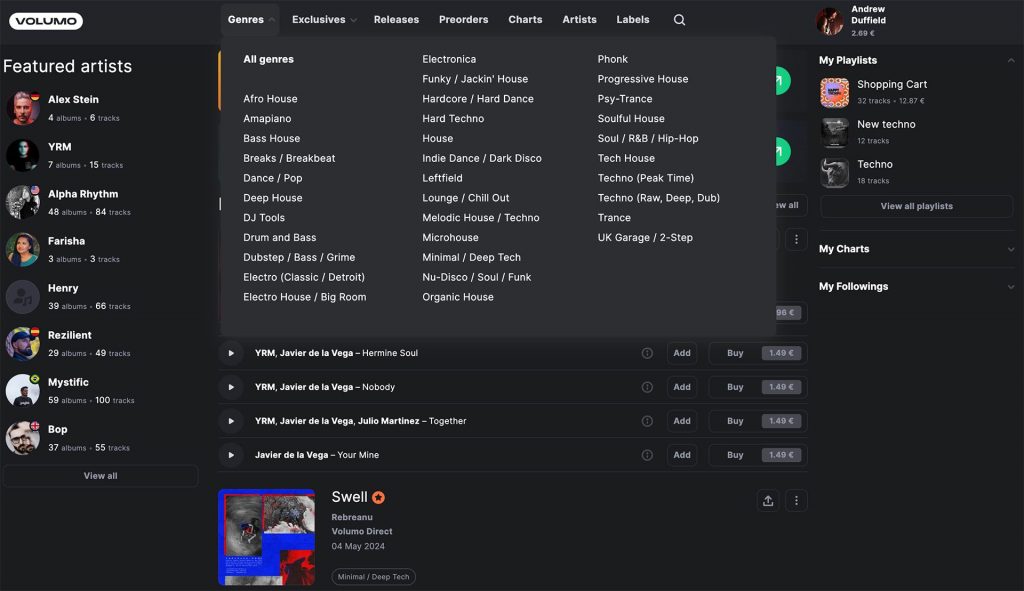
Forgive me, as not all of these are strictly streaming services. But, bearing in mind the music industry is plutocratically structured, sometimes the alternatives have to become some sort of emancipation. Volumo is a good example. It’s basically where the crate digger mentality lives digitally, built by and for the electronic community to keep the underground alive.
Strictly high-fidelity (WAV, AIFF, and FLAC), and the best part is that they don’t charge you extra for the better formats. A high-res file costs the same as an MP3, which is a huge middle finger to the pricing you see elsewhere. It’s also arguably the most artist-friendly spot out there right now, giving creators a 75% cut and letting them set their own prices so they aren’t at the mercy of a corporate algorithm. You won’t find any paid banner ads or sponsored hits here either.
The ones building a community
SoundCloud
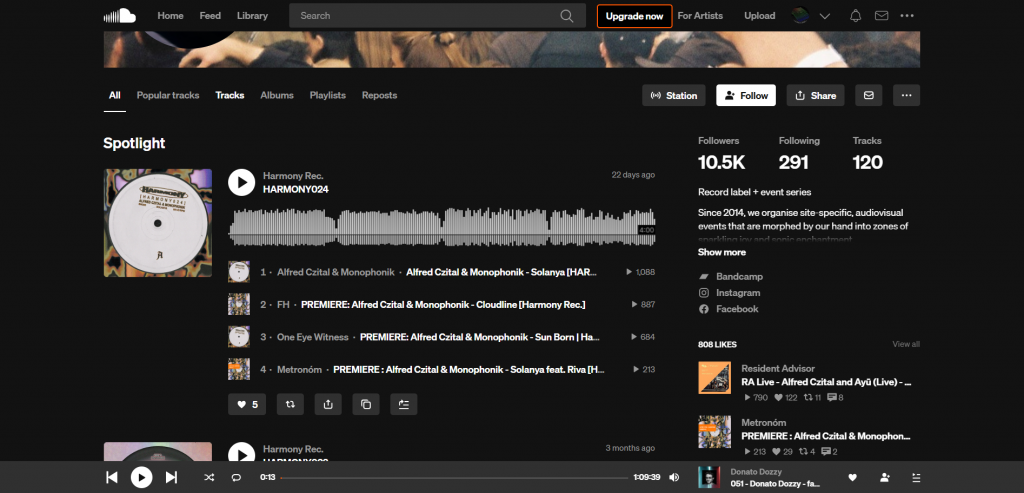
Including SoundCloud in an ethical lineup feels a bit like recommending the local pub as a way to improve your mental health, but the underground simply wouldn’t exist without it – and it’s the one I use too. It remains the global platform for those starting out and getting your sets listened to. While their Fan-Powered Royalties finally ensure your money actually reaches the artists you play, the payouts still can’t compete with a single Bandcamp sale. You come here because it’s the platform that still prioritises the upload first and never demands permission,, which keeps electronic music from becoming too sterile.
Patreon
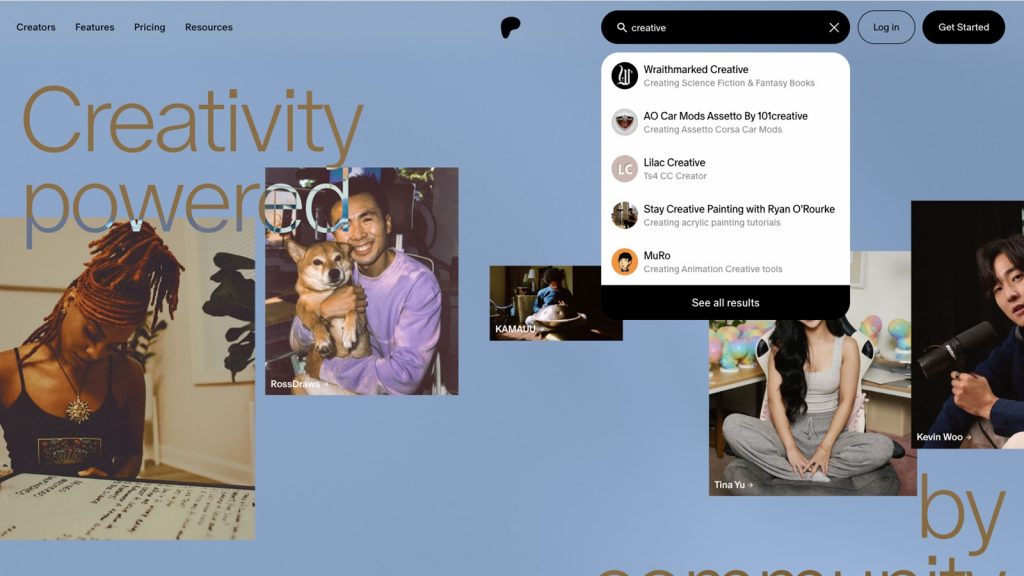
Patreon’s “Make Art, Not Content” slogan is a nod to what has become a staple for producers who are done chasing millions of passive listeners and would rather build a smaller fan base that cares about their personal craft. The main idea of this platform is for artists to livestream studio sessions and share the knowledge behind their sound, turning their process into a product.
The real clincher for 2026, and for adding to this feature, is the new Play tab on the deck where you’ve got your own private streaming service. The second you drop a track, your fans get a ping to stream it right in the app or download the full, uncompressed WAV. The ultimate way to keep your community tight-knit while making sure they get the highest quality audio possible.
The non-streaming extras that we want to include cause why not
Juno Download
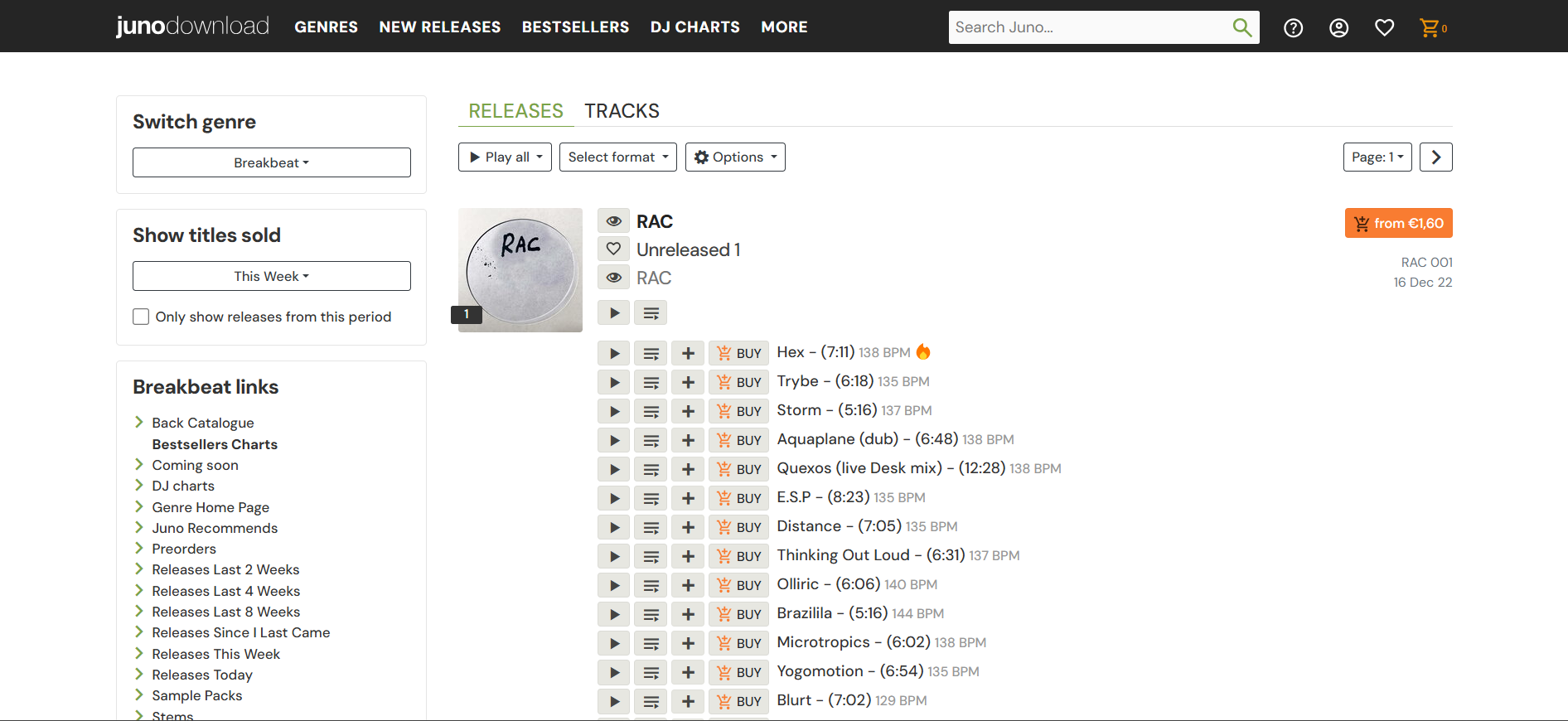
Mentioned earlier, we’re not talking a streaming service strictly here, but Juno is essentially where the gatekeepers and record diggers go to hunt. No longer ashamed of going off the rails a bit to feed into the famous emancipation mentioned various times in this article, they are a powerhouse distributor that helps artists build serious underground cred and market physical wax alongside digital files.
By hyper-categorising every upload, they ensure that the musically obsessed can find their specific niche instead of filtering through the generic, lumped playlists found elsewhere. And, because we all love a good algorithmic boycott, they feature “Juno Recommends”: another section where actual humans handpick the gems they find (like Qobuz) rather than leaving your discovery to a bot.
Discogs
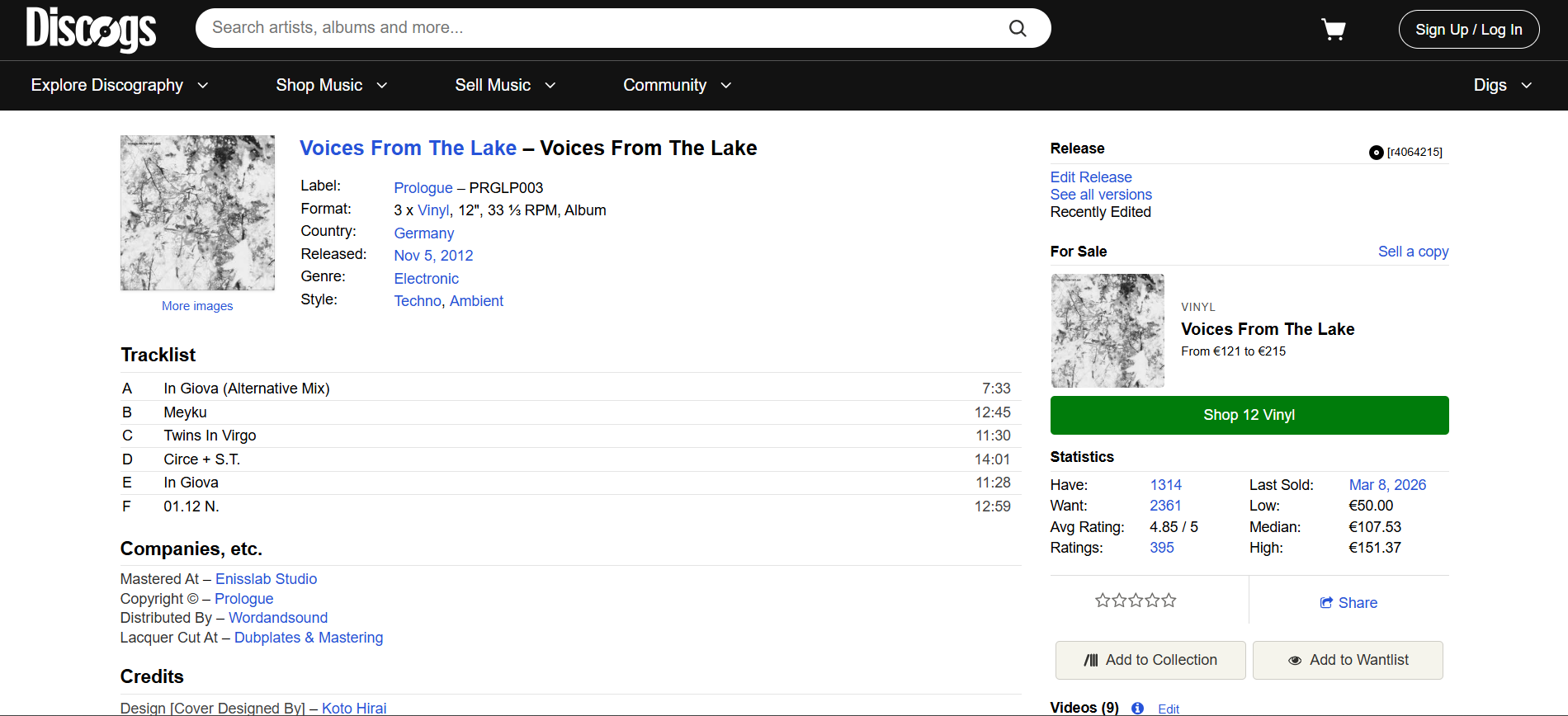
Then there’s Discogs (also unmeaning to mansplain) the undisputed digital warehouse for those of us who decided that owning physical objects was a personality trait. Or, in other words, it’s a literal database for every physical release ever pressed, letting you track the history and the occasionally terrifying price spikes of your own shelf. Many have not fallen onto the fact that music at one point became devalued into a utility. So, it’s nice when platforms like Discogs treat a record like a tangible artefact, restoring the context and credits that the major platforms seem determined to brush off.
In the meantime, putting the digital world away for a bit, do you want to listen to music in person? Find your next party on XCEED.