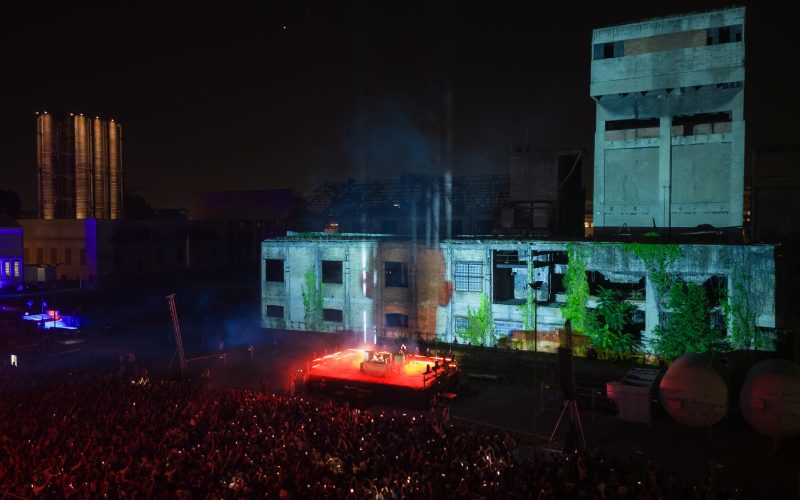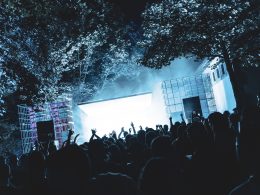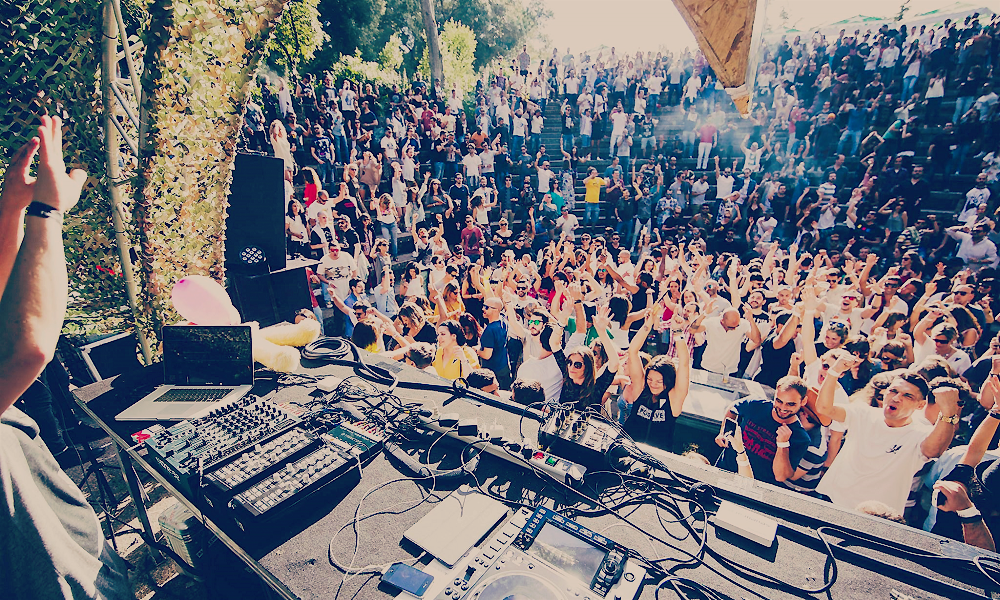


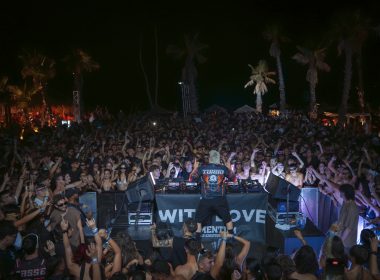
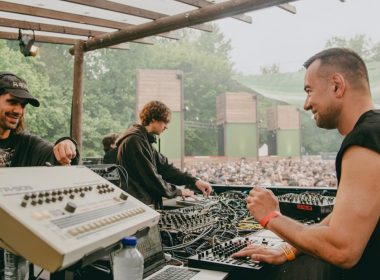
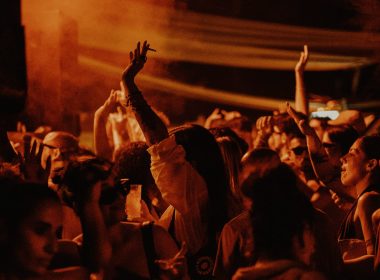
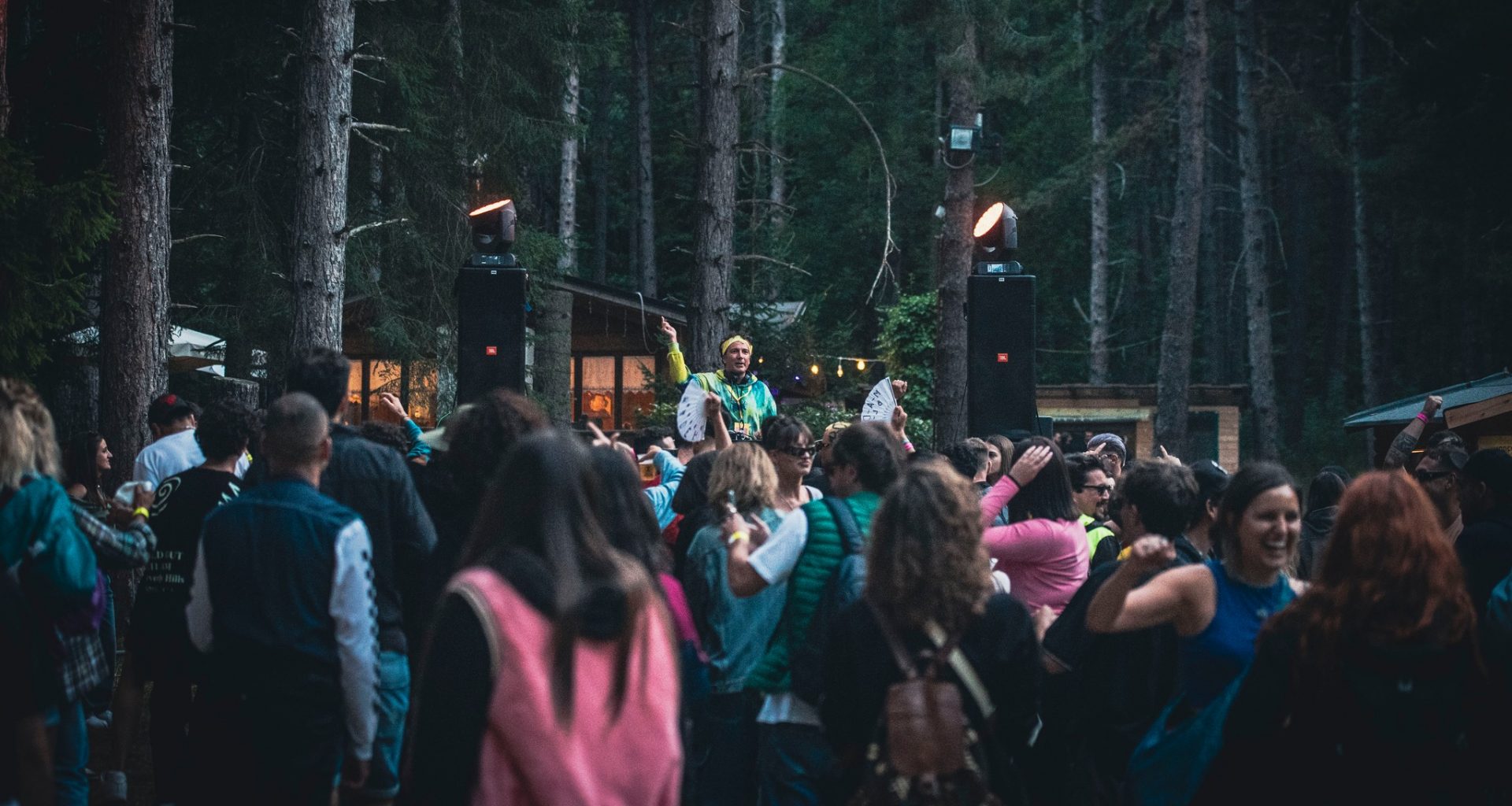
What happens when you strip away the urban industrial concrete, step off the coastal terraces, and take electronic music high up into the Apennines? You get San Lorenzo in da Wood. Born out of an absolute vacuum of cultural aggregation for local youths in Abruzzo, this open-air gathering has spent over a decade quietly expanding from a simple mountain town party into a highly mature, niche sonic platform. Positioned in the breathtaking pine forest of Rocca di Mezzo, it’s safe to say they’ve absolutely nailed the perfect party escape.
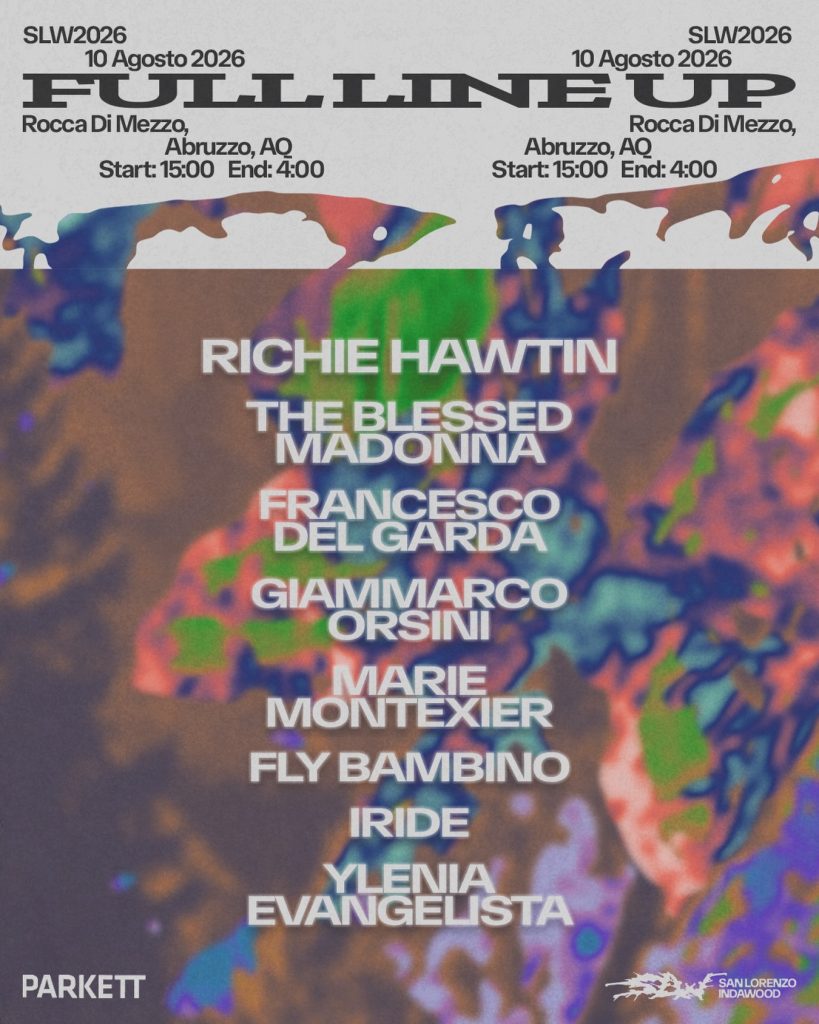
For the 2026 edition (taking over the mountain on August 10 and 11), the collective is executing their most uncompromising sonic statement to date. They are placing minimal and house selectors like Francesco Del Garda, Marie Montexier, and Giammarco Orsini side-by-side with massive global juggernauts like Richie Hawtin and The Blessed Madonna. Ahead of their mid-August milestone, we sat down with the masterminds behind the movement to discover how they balance high-fidelity programming with sustainable mountain culture.
San Lorenzo in da Wood launched in 2015 to create a space for local youth to gather in Abruzzo. What was the exact turning point when you realized this was outgrowing a local party and becoming a destination for electronic music heads across central Italy?
Rather than a single moment, it was the accumulation of signals we could no longer ignore. The real turning point was likely our first sold-out edition last year, but such a result was only possible because of the nine years we spent building a coherent, consistent identity for the festival. We believe that despite the frenzy that modern society imposes on us, certain milestones simply need time and, above all, a long-term vision.
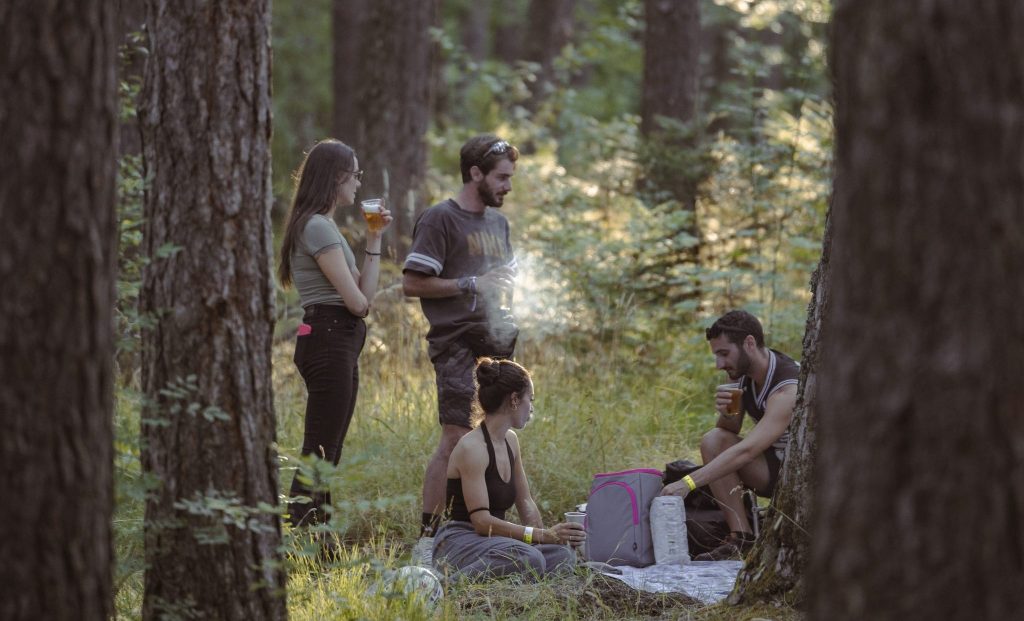
You chose the Pineta Bassa of Rocca di Mezzo as your home. How does partying at this altitude, inside a mountain forest under the stars, change the dynamic between the DJ and the crowd compared to a dark urban club?
In a traditional club, darkness, lighting, and enclosed acoustics are tools a DJ uses to build tension from the top down. In the pine forest, at 1,329 meters, the rules change. Fully immersed in nature under a sky that is often the only real scenery, that sense of control loosens: sound disperses differently, darkness is never absolute, and you can feel the temperature drop on your skin. The relationship becomes more horizontal, and nature dictates part of the rhythm.
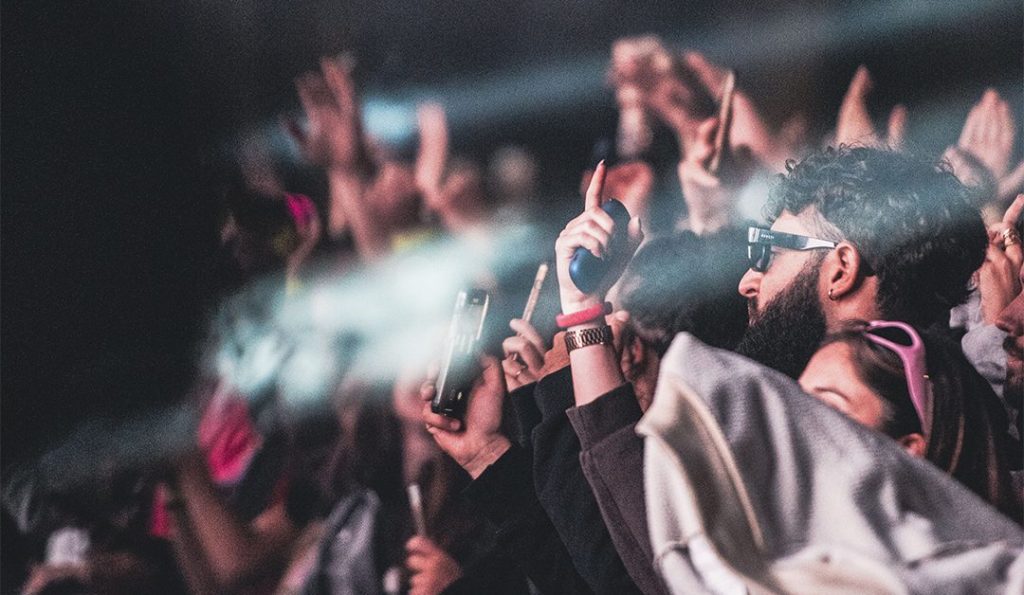
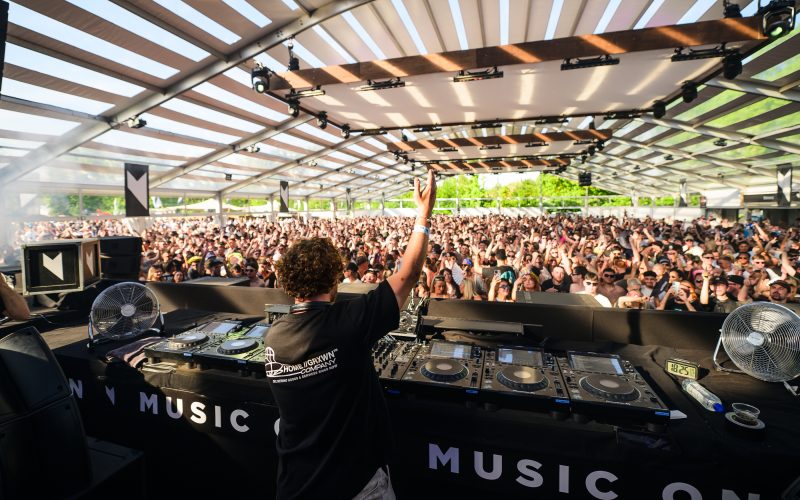
Your event splits into a free, experimental Daytime Garden and a ticketed Main Stage. Why is it important to keep that daytime slot for local talent and sonic experimentation instead of just rushing into a peak-time lineup of headliners?
Making the Daytime Garden a free space is meant to make the world of electronic music accessible to everyone. What guides us is artistic vision, not the clout of a name: for an already established artist, it allows them to explore a musical register that the nighttime Main Stage wouldn’t allow; for local talent, it creates the opportunity itself. It’s a space where someone unfamiliar with an artist can simply be pulled into their world, completely free of expectations.
The 2026 curation is bold, putting the machine-minimalism of Richie Hawtin and the uplifting energy of The Blessed Madonna in the same forest, alongside deep selectors like Francesco Del Garda, Marie Montexier, and Giammarco Orsini. What connects these artists in your eyes, and how do you build a cohesive story with such different sounds?
We don’t build coherence by flattening the differences, but by sequencing them: the day has its own dramaturgy, moving from a more exploratory daytime to a night that becomes increasingly physical, with each artist occupying the slot where their sound makes the most sense. What all these artists share is a powerful ability to connect with the audience and carry them through the musical journey.
A mountain location naturally filters out casual tourists who only care about filming content for social media. As a volunteer-driven crew, how do you protect the dancefloor from commercial trends and keep the crowd strictly music-first?
Anyone who just wants a social media moment can find one anywhere, regardless of the location. What actually makes the difference are the concrete choices we make: we don’t chase virality at all costs, and we design a sound system and a lineup for those who dance, not those who just watch. Over the years, our audience has self-selected because they know exactly what to expect. We are not an ‘instagrammable’ festival; we are an authentic one, hard to reach and physically demanding.
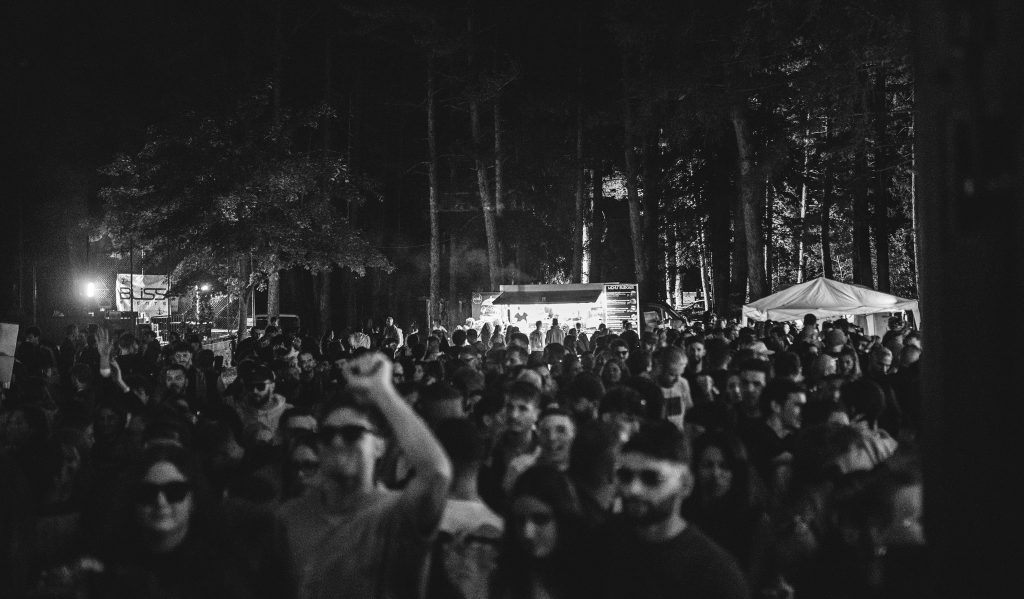
In an industry where promoters often over-scale until the vibe breaks, how do you balance bringing world-class curation to Abruzzo with the need to protect the natural landscape?
You don’t resolve that tension; you manage it by choosing to stay small. We’ve never pursued capacity growth to match the scale of our lineups, which is why we’ve remained in the very same pine forest since day one. The wellbeing of our audience has always been our top priority, which is why we keep things as intimate as possible: to preserve what makes this place so unique.
When the sound system turns off and the forest goes silent, what is the exact feeling you want to leave in the minds of the people who made the trip up the mountain?
The goal has always been to connect people to this place as deeply as possible. We want everyone who makes the journey to leave not with the memory of a specific set, but with the feeling of having been, for one night, part of a place before being part of an event.