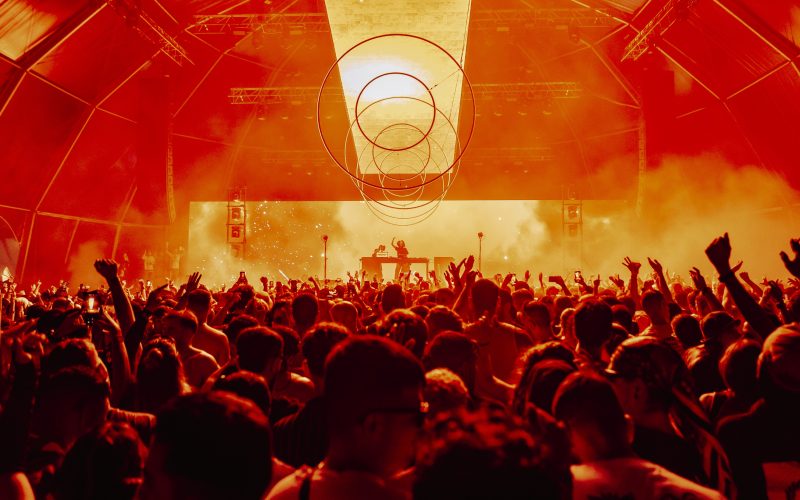


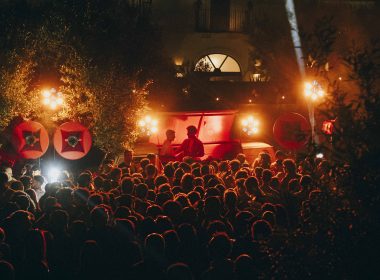




There’s something quietly shifting behind all the licensing chatter across Europe’s club circuit. A new AlphaTheta study of 2,500 people across the UK, France, Germany and Spain shows that more than a third of Gen Z and millennials believe the best DJ sets happen at house parties. Whether caused by financial struggles to keep the local clubs alive or just as a craving to go back to the basics, it’s hard to tell, but the facts are hinting towards something.
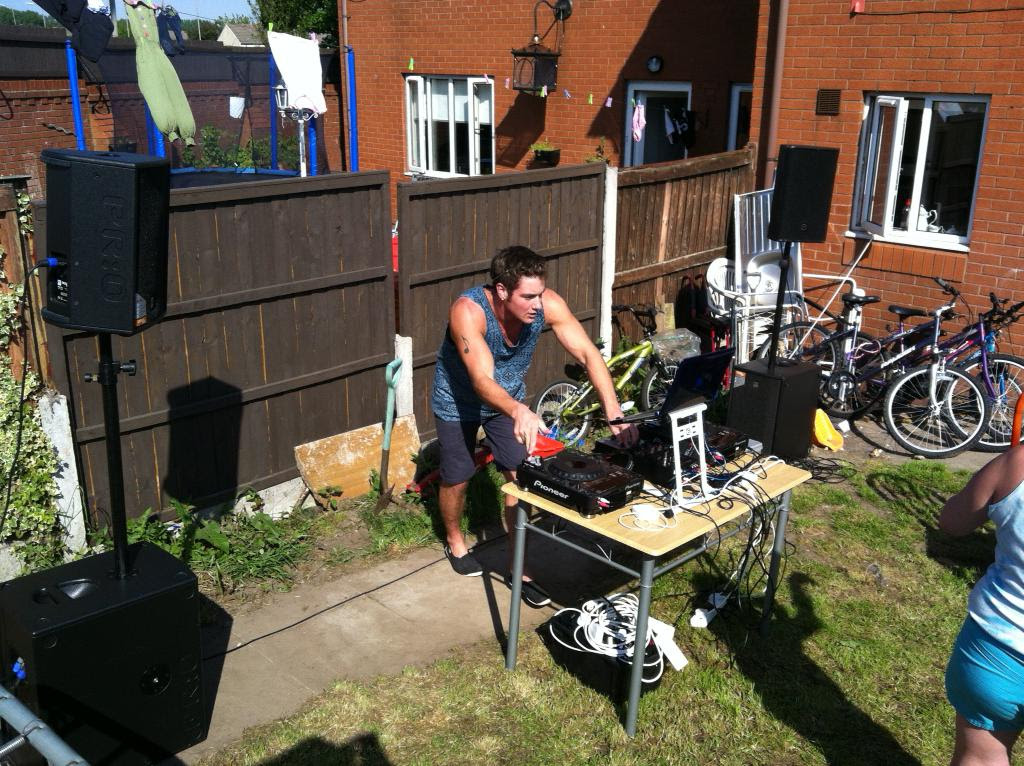
This might sound like another moan that clubbing is over, but that’s not really the intention here. In fact, this might mildly suggest the opposite, where the industry is remembering its original purpose, and realises where the authenticity lies. The same research shows that over a quarter of young DJs played their first-ever set at a house party, in an environment that feels approachable and largely free from external validation, stating something of an overlooked assertion.
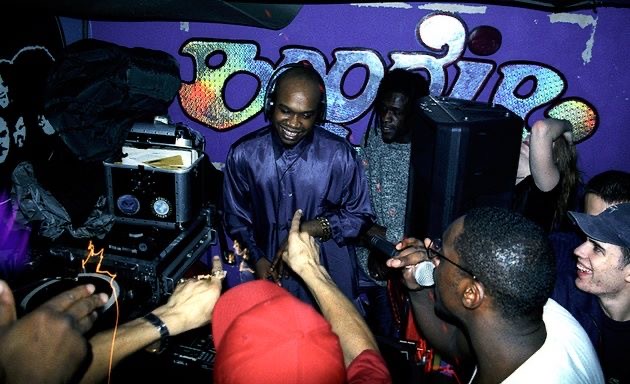
That detail matters. Because it proves that artistic careers have always relied on hunger and curiosity, long before legitimacy ever entered the picture. The study itself points to DJs like Fabio, often described as the godfather of drum and bass, and Snoochie Shy from BBC Radio 1, who both trace their beginnings back to these informal spaces. These weren’t stepping stones by design, but they became formative in the evolution of their artistic path simply because they allowed experimentation without any larger constraints.
We can establish that most DJs first gain exposure in this kind of domestic setup, resulting in a significant moment that pushes them to try it themselves. They’re safe spaces to be curious, to fail, try things out, and are essentially the training grounds for electronic music’s future. Unless you live under a rock and have never been to a house party, think about your average experience there. You know the feeling, it’s pretty unrestrained, both artistically and socially.
Then, if you’re ever to boil down the core values of what club culture is, the points that stand out the most are the ritualistic experience of mixing tracks and one’s need to express themselves musically, specifically in a shared identity and community. With the latter in mind, these spaces are where the culture quietly builds itself, and bearing in mind that the support infrastructure from governments has only decreased significantly over the years, this reinforces how house parties have always functioned as cultural hubs where electronic music is born, and exists without needing any sort of profit forecast.
It is rather double-edged that small clubs are disappearing, then. Having been hit by rent hikes, noise laws, and patchy support, many spaces have been shut down and still continue to do so, making it unavoidable to think that electronic music culture has fallen into the wrong hands. Look across Europe, policy clearly favours big venues and tourism optics over local ecosystems as a result of large rooms looking safer on paper. As they deliver data, revenue and, yeah, you guessed right, headlines. The original idea of this underground scene was to avoid all of that in the first place.
So, when this foundation for start-up creatives and young DJs starts to lack, as they arguably always have been, the only alternative is to find somewhere else to go. The scene generally moves with a kind of zealous determination you only get when you’re truly uninhibited, maybe even with something to prove after being let down. The initial intention to create a DIY party might just be to indulge in music freely, but the effect is also downright anarchic, proving that passion is stronger than brick and mortar, and especially stronger than greed.
This is where the lineage of free party and rave culture enters the chat; it would almost be rude not to mention. They have been the ones taking the domestic house party energy and scaling it up in defiance of a system that’s completely priced it out. Free parties prove that ravers who are true to their music are willing to face criminal charges to reclaim a dancefloor that is authentic to its original form. When the “anarchic” element kicks in, it’s because people want the loud music and a safe space to let go, but it’s also a statement in itself.
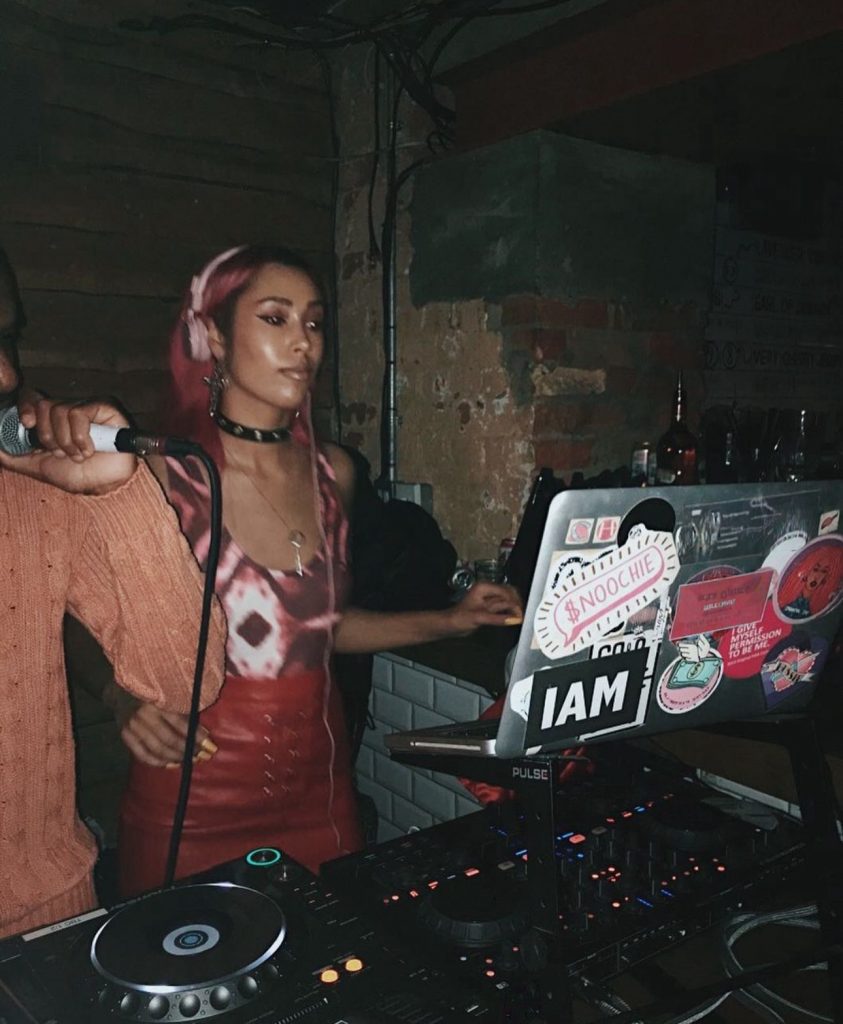
None of this makes small clubs obsolete, though. If anything, it reinforces their importance. It would be silly to argue agaisnt the fact that clubs are where scenes professionalise, where sound systems reach their full potential, and where artists engage with a level of technical quality that few people in their twenties could ever afford at home. House parties do give us a starting musical conversation, but clubs are where the calibre really does consolidate. I guess that dynamic isn’t going anywhere.
Still, the shift is telling. Where does the genuine culture thrive? Increasingly, the people keeping European club culture alive are young, broke creatives rather than venue owners. In the absence of meaningful support, informal economies have built just enough infrastructure to stay true to the original reason people go out in the first place. Meanwhile, the same institutions packaging the “nightlife economy” into strategy documents are the ones that the scene continues to survive despite. That’s partly what this research exposes, whether intentionally or not.
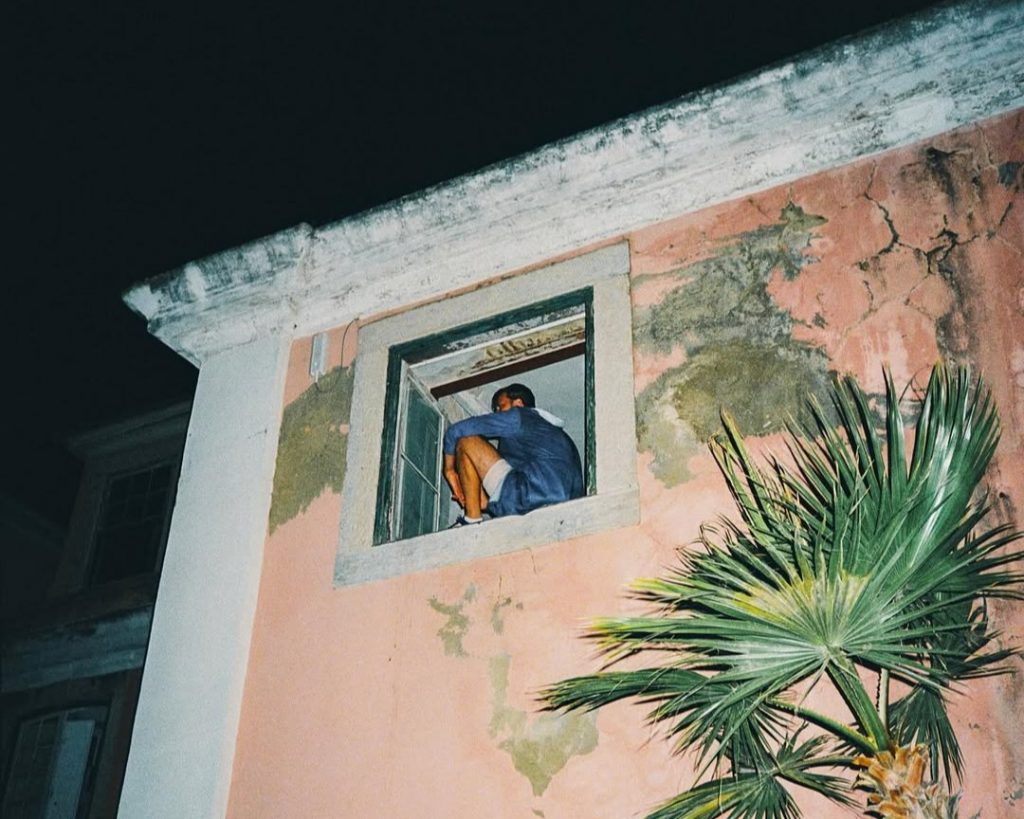
There’s a certain irony in a brand synonymous with club-standard hardware documenting a movement built on borrowed controllers and outdated software. At its core, the pleasure of this art form has always been community and enjoyment, not benefit. That idea starts to erode when artists are expected to justify three-hour performances to investors, or when success becomes necessary just to keep a venue solvent. Still, as ever, capitalism finds a way to turn everything into a product, erasing the raw authenticity and initial intentions that gave birth to the culture and what steadily kept it alive.
Nearly 70% of study participants said they want more of these gatherings as it is clearly what resonates most with them, and over half of Gen Z and millennials said house parties are where music discovery feels most natural. Having said that, it wouldn’t be fair to say public authorities are entirely absent. Across Europe, governments are beginning to recognise nightlife as cultural infrastructure, funding soundproofing projects and formally acknowledging club culture as heritage. And that is a good start.
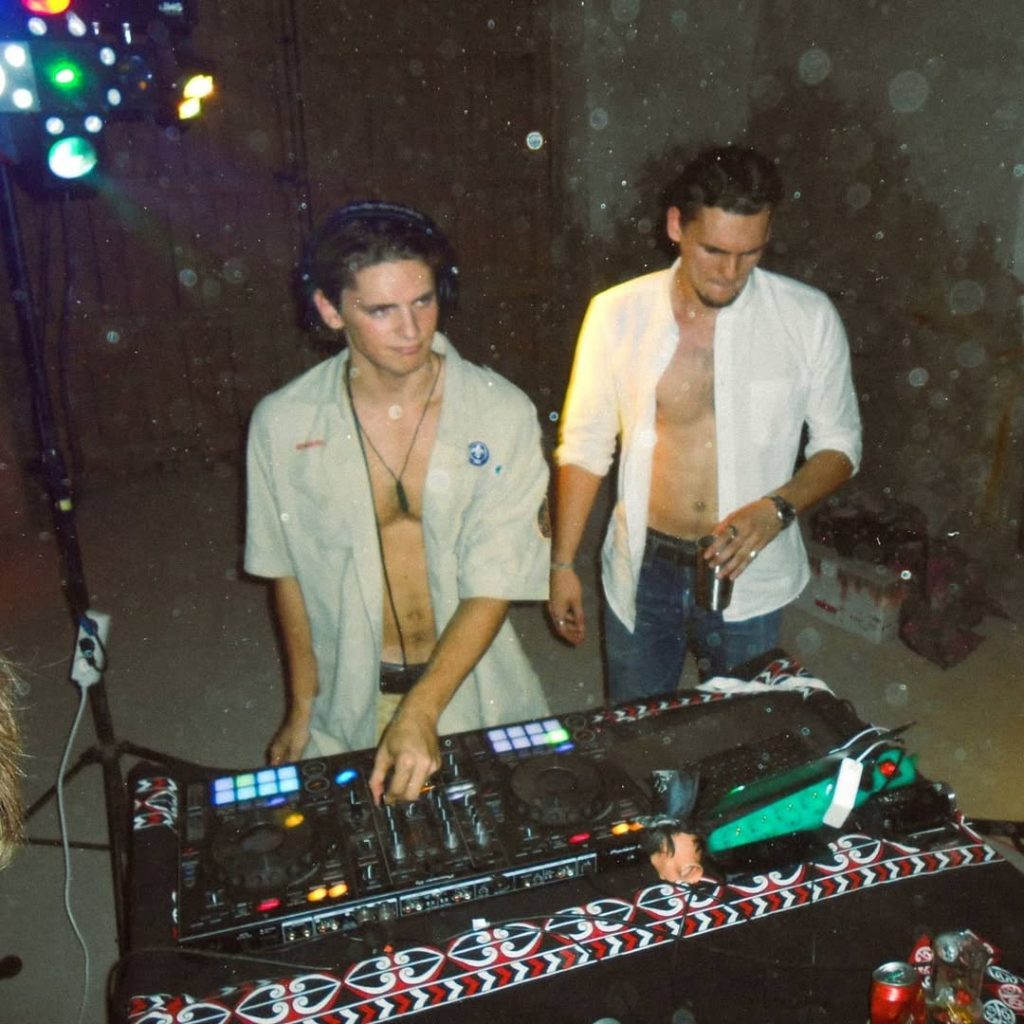
Still, much of this support arrives late, often once a scene has already proved its value independently, reinforcing the idea that policy tends to follow culture rather than shape it. In other words, authenticity sticks around when profit is still far from the picture.
Clubs will always matter. But if policymakers and promoters continue to overlook the smaller, more human side of dance culture, activity will keep drifting elsewhere. Which raises a final question: has club culture stayed authentic precisely because support has always been inconsistent? And if neglect has helped preserve it, how do you fund something like this without flattening the very qualities that made it matter in the first place?