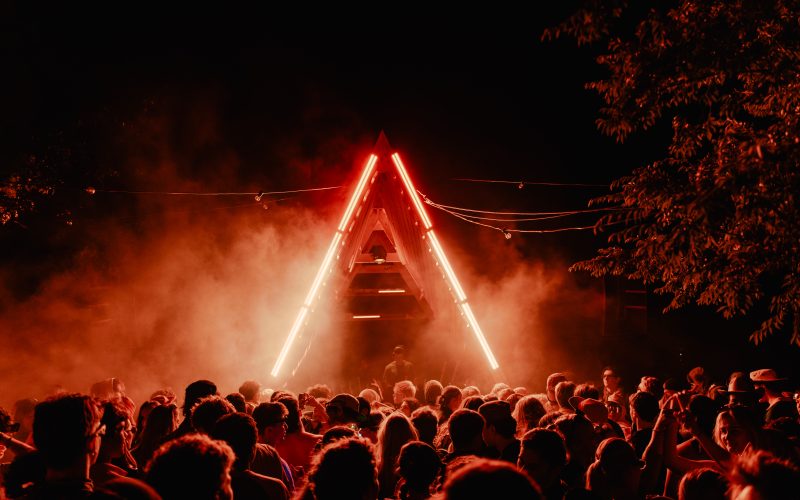


Here we are, once again, with another year ahead of us in the game. 2026 is shaping up to be a game-changer in electronic music, or that’s what they say every year. From the rise of authentic connections and community experiences, to endless influencers, to the battle for affordability and accessibility in club culture, the trends are always shifting.
So, what’s next? What does the crowd want? Where is the money going? And most importantly, where are the big players headed? We caught up with some of the top names in the game to see what they believe will be the defining forces of 2026. Get ready for a deep dive into the future of electronic music.
Authenticity and Strategy Over Flashy Lineups
In a saturated market where every weekend is stacked with international headliners, lineups are no longer the ultimate draw. Ariana Díaz (Agency Director & Founder, Good2b) predicts a major shift toward cultural contextualization in how events are communicated. She explains:
“In 2026, the conversation shifts from quick hype to long-term connection. Events are going cultural, and authenticity is the new cool. No more chasing the algorithm. Audiences want transparency, realness, POV comms and to feel like they’re part of something bigger.”
Díaz anticipates a surge in slow content, more intimate behind-the-scenes moments, real talks about mental health, and transparent processes. It’s about showing the struggle, the real work that goes into building a scene, and making deeper connections. Are promoters and artists ready to show the grind, not just the glory?
As Bugsy (DJ/Art Director, Take It Easy – Arca) adds: “Visibility and numbers will continue to dominate online spaces, but the true value will shift back to music, shared experiences, and physical spaces where. A new generation of promoters is already choosing identity over hype, building long-term projects around residents and coherent musical visions“.
The secret sauce? Events that foster something deeper. The time has come. People want to feel part of something bigger than just a night out. They want to join a cultural movement.
Underground and Mainstream: Merging Worlds
What is underground? What is genuine? The never ending dilemma in our industry. The line between underground and mainstream is blurring, and it’s not necessarily a bad thing. Dylan Feuvray (Artist Booker, Interwave / Yoyaku) predicts more B2Bs, vinyl comebacks, and live sets, with underground artists moving into bigger spaces. As he says:
“You have players like Yoyaku, making record culture a central part by teaching a new generation the art of digging, and crews like Slapfunk, Giegling, Jigit, and others, whose artists arrive at the booth with bags loaded with records. There’s also a growing focus on live performances, with more artists using drum machines, synths, and hybrid setups“.
It feels like the scene is remembering what made it special in the first place, while still opening up new possibilities.
But it’s also about a mindset shift. Nicolas Bucci (Co-founder, Kiosk Radio) argues that the scene needs to become more conscious and subversive. He explains:
“The electronic music scene needs to step away from mainstream platforms and actively support artist-centered alternatives. This change has to come from both sides: established artists need to take more risks by collaborating with independent actors—not just promoters, but also labels and management. Meanwhile, audiences need to show up for clubs and festivals that put music and artists first.”
Equal? Leadership Beyond Artists
Women are no longer just a token addition to lineups, they’re leading the charge. Violeta Falgas, Jeanne Tendero, and Thea Bringa, as founders of Jefas, have a clear vision:
“Not only visibility on line-ups designed to look “cool” or “progressive,” in 2026 more women will be taking on decision-making roles as managers, label heads, festival directors, agents, and founders”. It’s a slower evolution than headlines suggest, but one that feels more solid and sustainable.
The industry is “finally” waking up to female leadership, but one thing is for sure, women will continue to support each other more than anyone else. This isn’t just a feel-good statement; it’s the backbone of how women in the scene are pushing forward: through collaboration, mentorship, and a fierce sense of community.
Real Estate vs Nightlife: The Battle for Space
As urban spaces evolve, the pressure on nightlife spaces is growing. How many dancefloors you’ve spent endless nights on are no longer existing? But Lutz Leichsenring (Founding Partner of VibeLab) believes there’s hope for nightlife to reclaim its place in city centers:
“The decline of mono-use zoning opens the door for flexible, multi-use venues rooted in local culture to breathe new energy into city centers and drive nighttime foot traffic. But this potential will only be realized if strong nightlife advocacy is present at the policy table, ensuring that cultural spaces aren’t sidelined by profit-driven development.”
Will cities embrace nightlife as part of their cultural fabric, or will profit-driven development push it out?
Life Experiences Over Content Machines
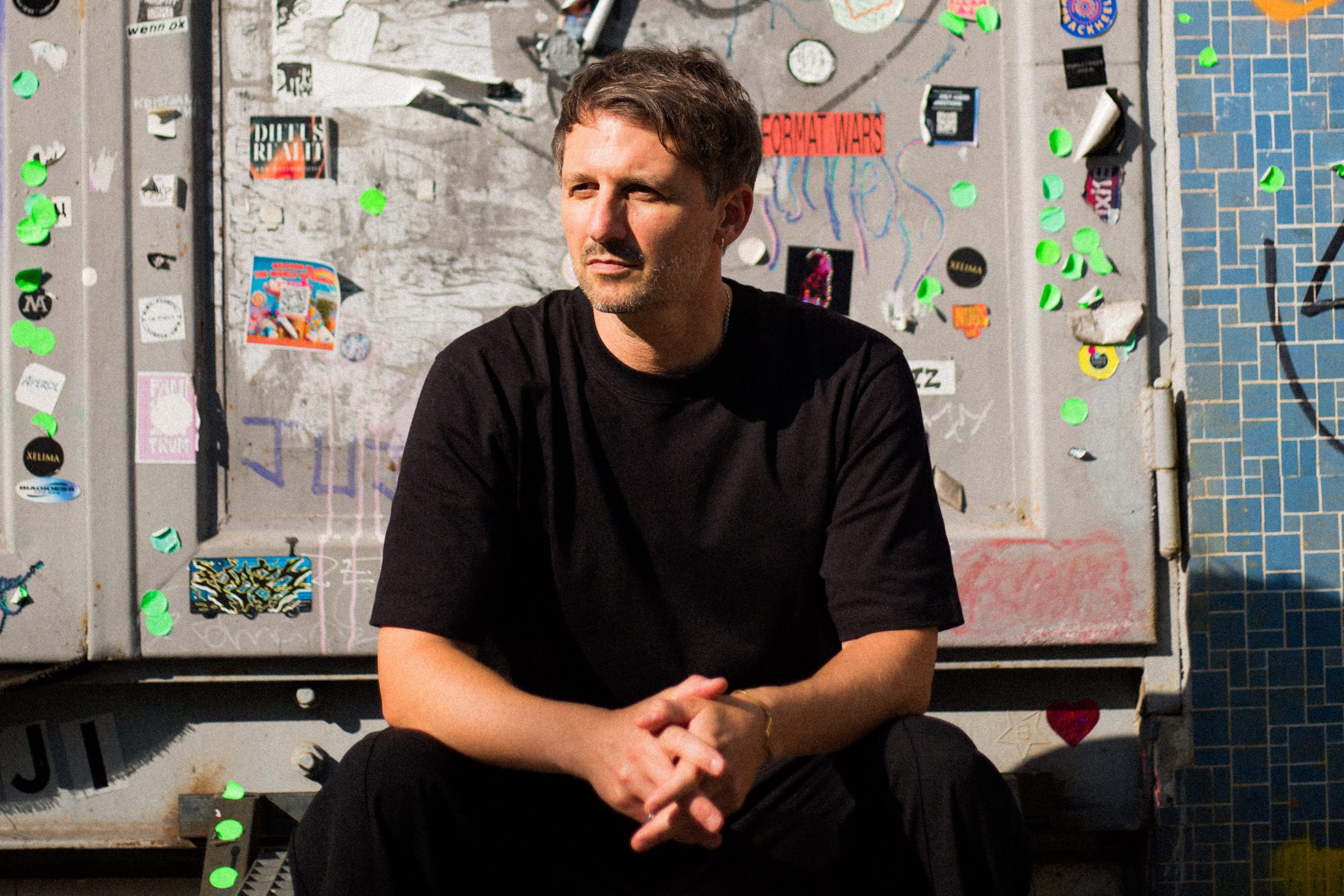
Social media might be a necessary evil, but it’s pushing the scene into a content-driven frenzy that’s missing the point. Fake followers, people who become artists as as mere products…You know who they are. Marco Cariola (Content Creator) calls it:
“It’s no longer about who plays better, but about who can get noticed in 15 seconds. Part of the scene has stopped thinking of itself as culture and started behaving like content. The problem isn’t social media itself, it’s when it becomes the goal instead of the tool.“
But not everything looks dark. In younger generations, there’s a growing trend that brings hope. As Onomé Sarawi (Co-owner of VBX / Programmer at Lofi Amsterdam) predicts:
“The crowd, especially Gen Z, isn’t just chasing “a party” anymore, they want an experience: immersive nights, community energy, boutique festivals, and even more mindful formats that don’t revolve around going completely crazy. In a world that’s increasingly algorithm-driven and oversaturated, the underground has a real advantage: people are craving nights that feel authentic, curated, and human“
And that’s where we’re heading. We’ll see a correction from “Instagram DJs” and content-first moments back to experience programming. It’s going to be about smaller rooms, stronger curators, and communities you can actually feel, not just film. Georgia McDonnell-Adams (Founder of Satori Inc. and Board Member of The Nighttime Foundation) puts it perfectly:
“The night has already moved into the day (sober day raves, sauna raves, morning parties), and the next move is how the day can move back into the night with safer, more welcoming, lower-friction nightlife that doesn’t rely on €40 tickets and 3am stamina”.
The dancefloor is a social space, let’s protect it and treat it as it is.
Creativity Meets Accesibility
The battle between creativity and accessibility is about to intensify in 2026. As home users demand better, more integrated systems, the question becomes: can we keep the art of music alive without diluting it for mass consumption? Rob Anderson (EMEA Product Planning Manager at AlphaTheta), hits the nail on the head:
“From a product planning perspective at AlphaTheta, our focus has shifted from building standalone products to designing open, future-proof systems that support an artist’s entire creative journey, rom first experimentation in a bedroom to professional performance on the world’s biggest stages.”
If there’s one thing we know, it’s that 2026 isn’t about sticking to the same old script. Ready to get with it, or are you still stuck in 2025?