

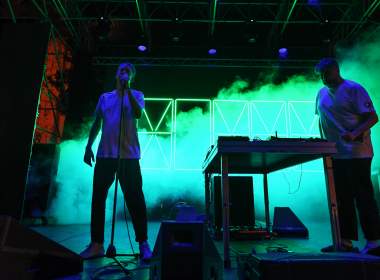
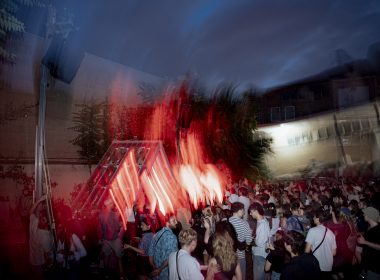
When B 018 opened on 18 April 1998, buried in Beirut’s industrial wasteland, nothing about it had been scripted — not the location, not the concept, not even Bernard Khoury, the architect behind it, who will tell you he almost didn’t build it.
The story begins, as many Beirut stories do, in the rubble of something else. Naji Gebran — Khoury’s older cousin — was a drummer in the late 1970s, a period Lebanon was deep in civil war. He agreed to leave the turbulence of the city for a seaside resort built by Khoury’s father on one condition: his 3,000-strong vinyl collection and sound system came with him.
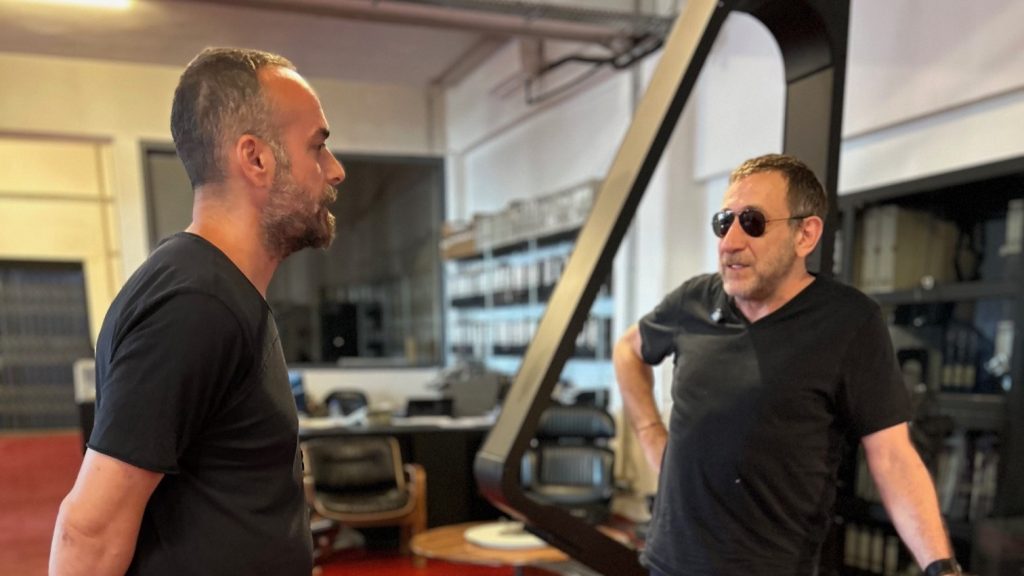
He was given unit B 018, which would become his sanctuary and where the music gatherings would take place. “We called them the musical therapy sessions,” Khoury recalls. “A close group of friends, basically listening to Naji’s tunes. We were not allowed to speak.” The music was nothing like what was played in the clubs. It was too progressive, too considered, too much its own thing. They assumed it was only ever meant for them.
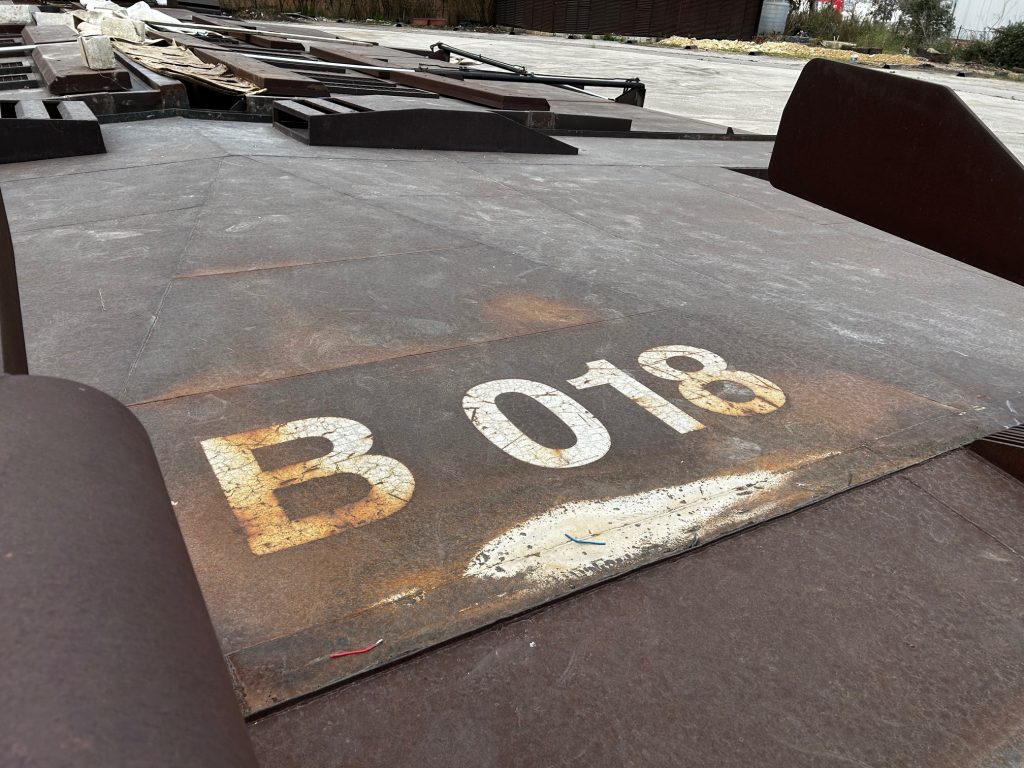
In 1994, Naji decided to take it public. He built a basic black box on a plot in the Beirut suburbs: no windows, no signage, no road leading to it. You drove through the mud to reach it, navigated by instinct toward a square structure on a bare tarmac lot, its unit number stencilled on the ground. Khoury and his friends, however, didn’t take it seriously. “We thought this music was too radical to be appreciated by all. Little did we know what was coming.” Then Khoury left for New York for two weeks. He came back and found 200 cars parked outside. “It had taken off when I was away. That was a big shock in the night scene of Beirut. It profoundly changed things.”
When that first incarnation eventually soured, Khoury made a promise he didn’t quite mean: “I’ll build you a better one.” By the next morning, Naji was at his door asking where to start. They rented a plot in Karantina — a neighbourhood carrying one of Beirut’s most traumatic histories, a zone that had been a quarantine, refugee camp, and massacre site, deliberately kept underdeveloped and cheap by political design. But that cheapness was the point. “You could rent a huge plot in Karantina for the price of a small storefront three minutes away closer to the centre.”
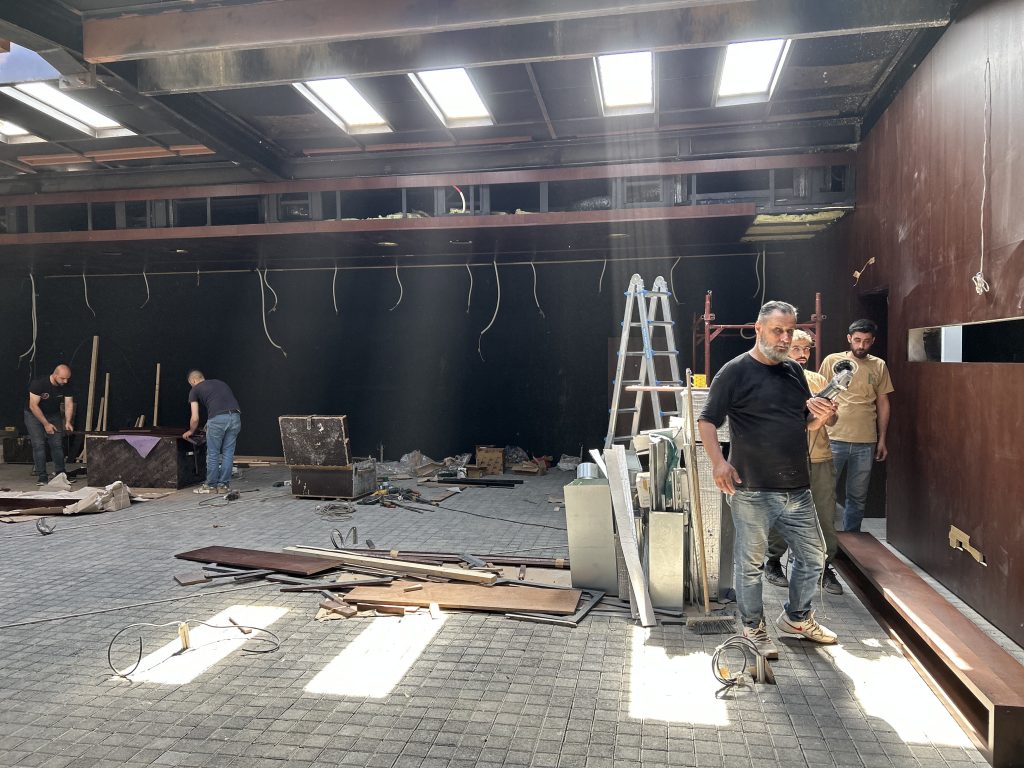
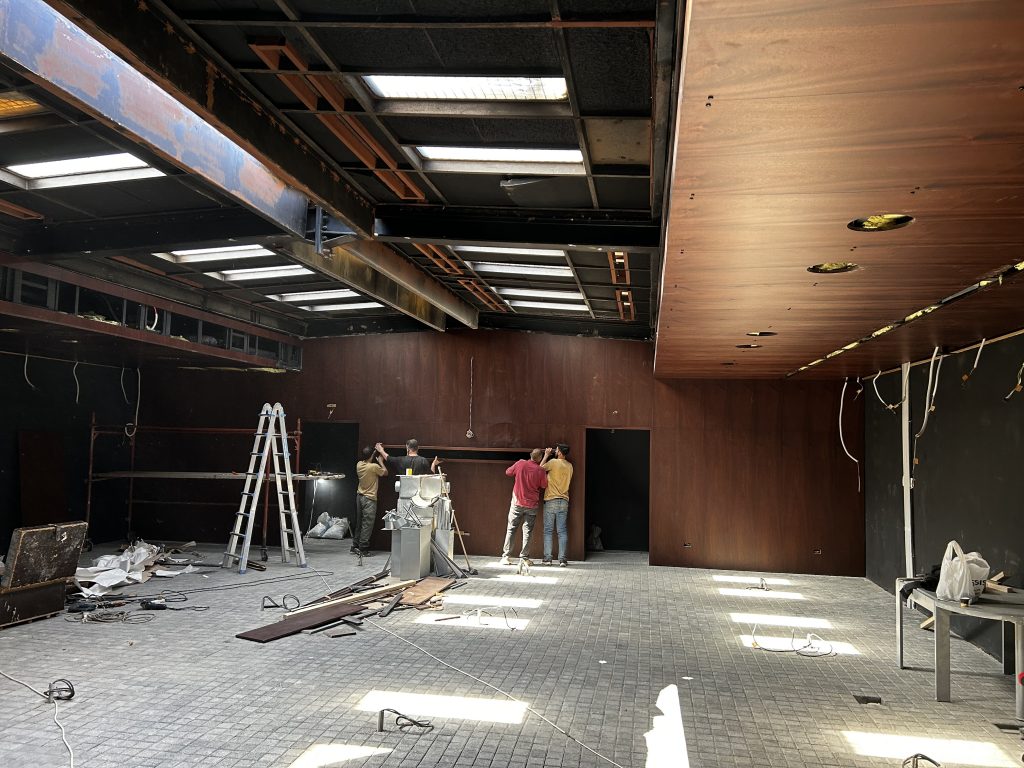
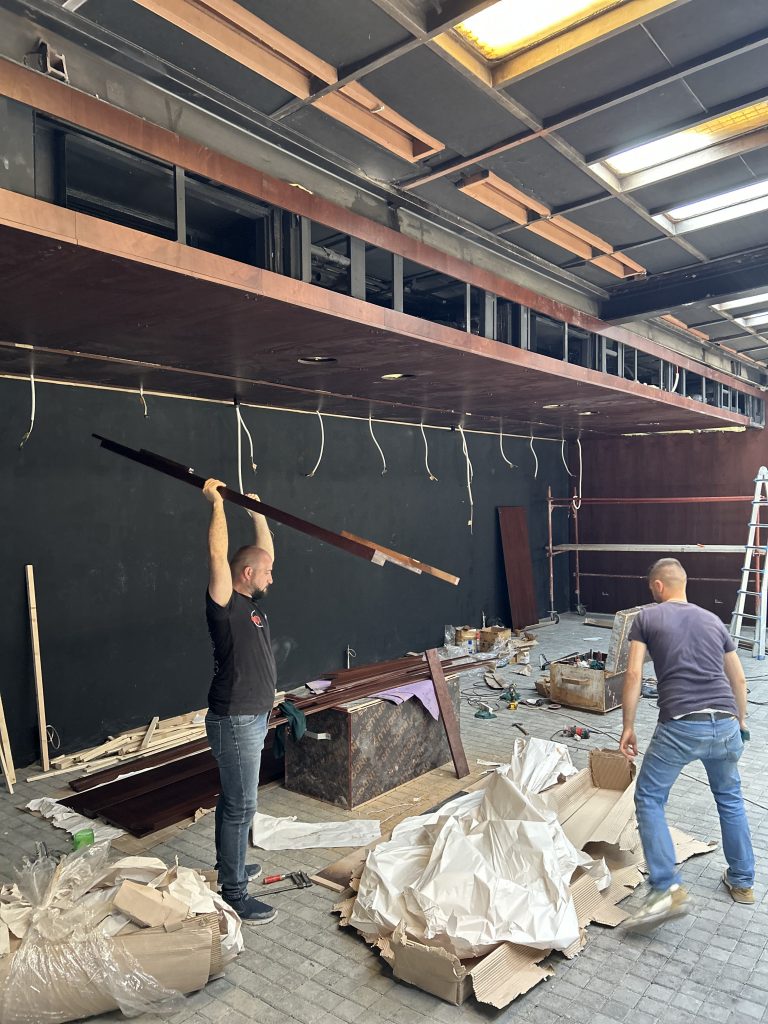
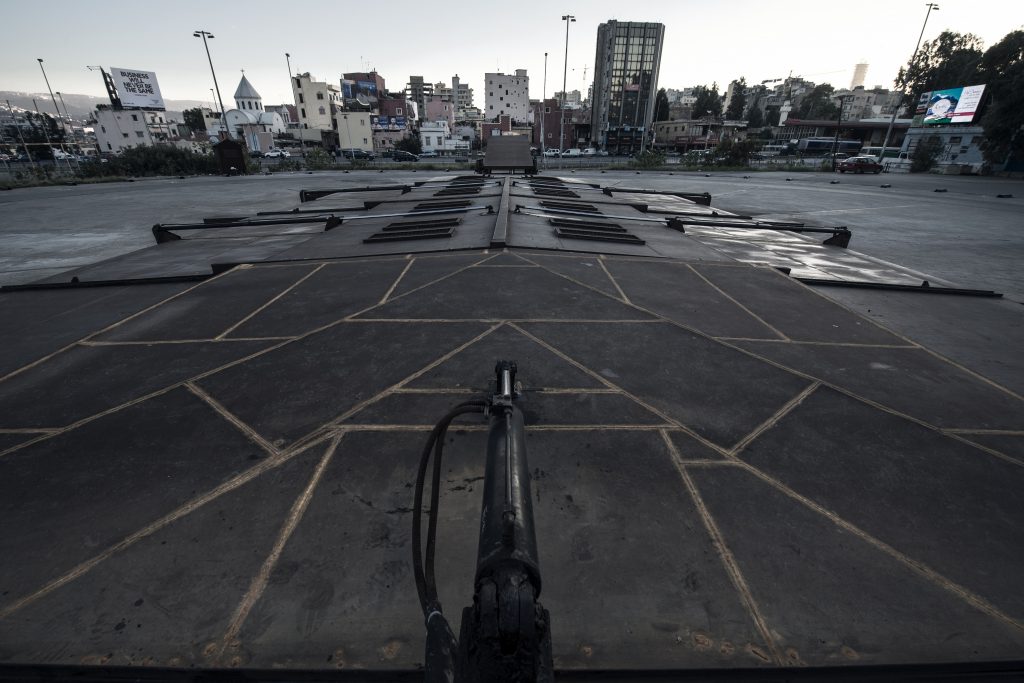
What followed was six months of Khoury drawing through the night in a solo office and playing contractor on-site by day — the entire project completed in that time, with the most expensive single element being the retractable roof at $55,000. “I didn’t see anyone. It was just me and this thing.” He handed Naji the keys, flew back to New York, and returned two weeks later to a media avalanche. B 018 had officially launched his career. It was the first building he’d ever constructed. “Before that I had gone through 16 projects that never led to construction. I call them aborted projects. Project 17 changed the course of my life.”
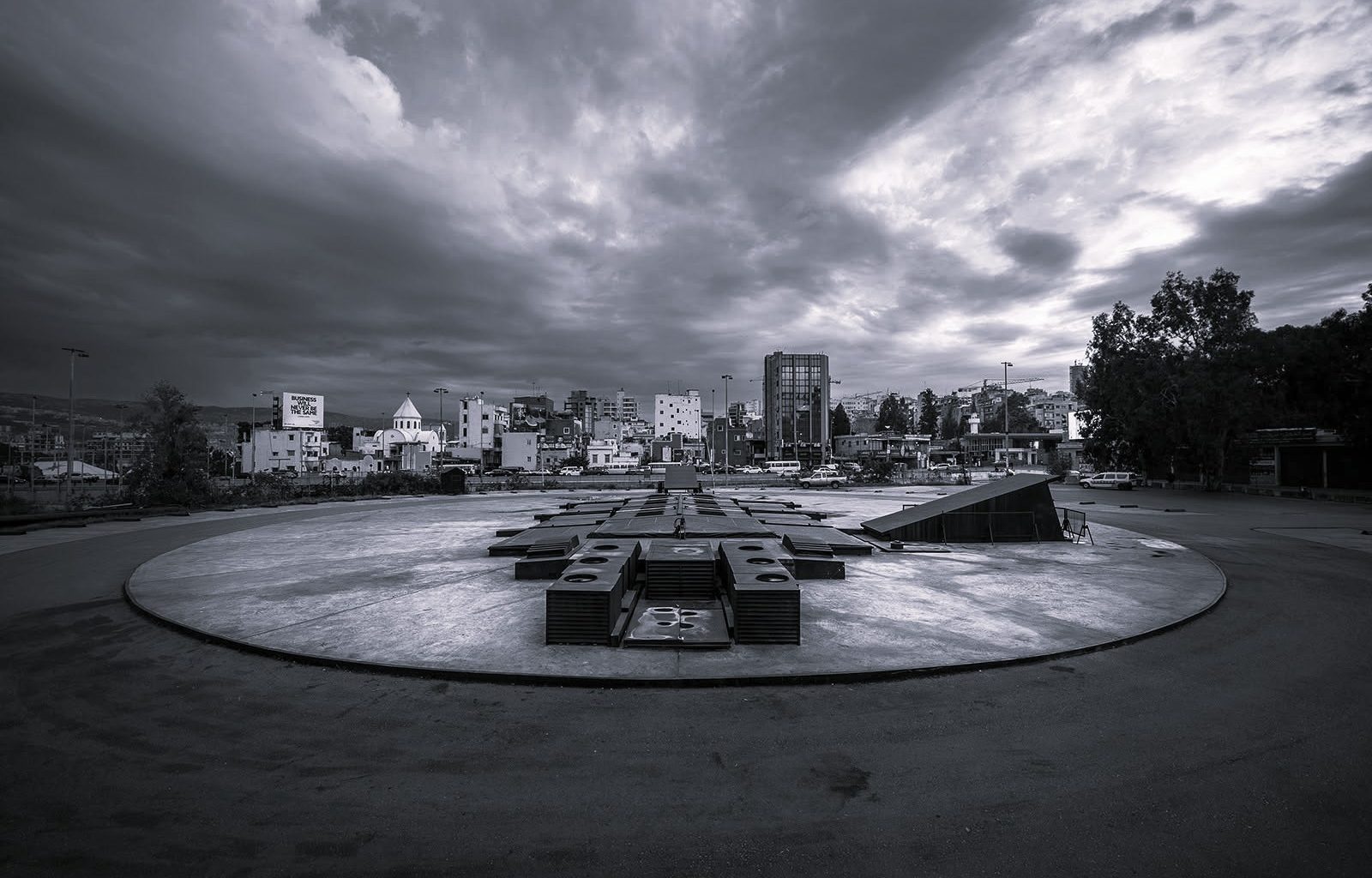
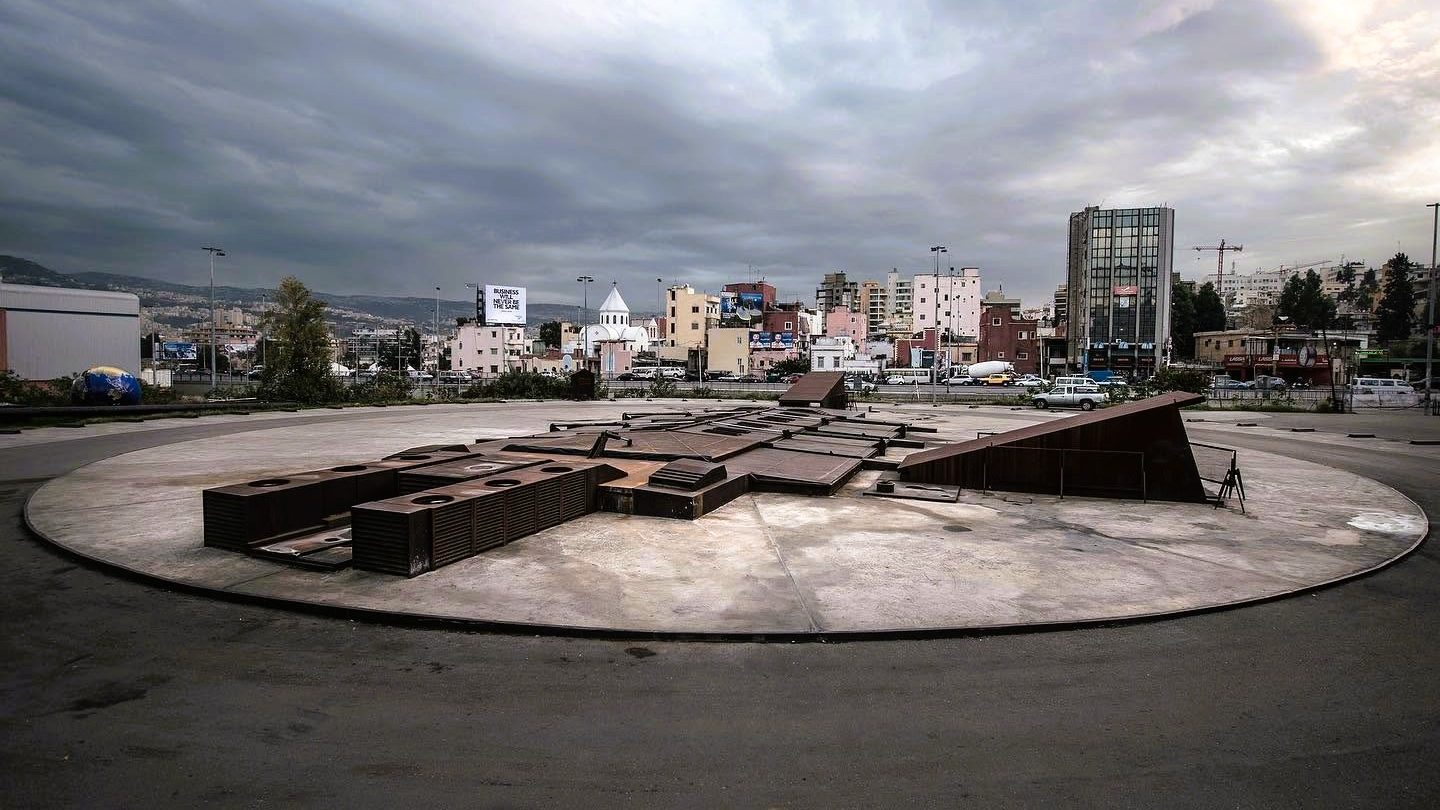
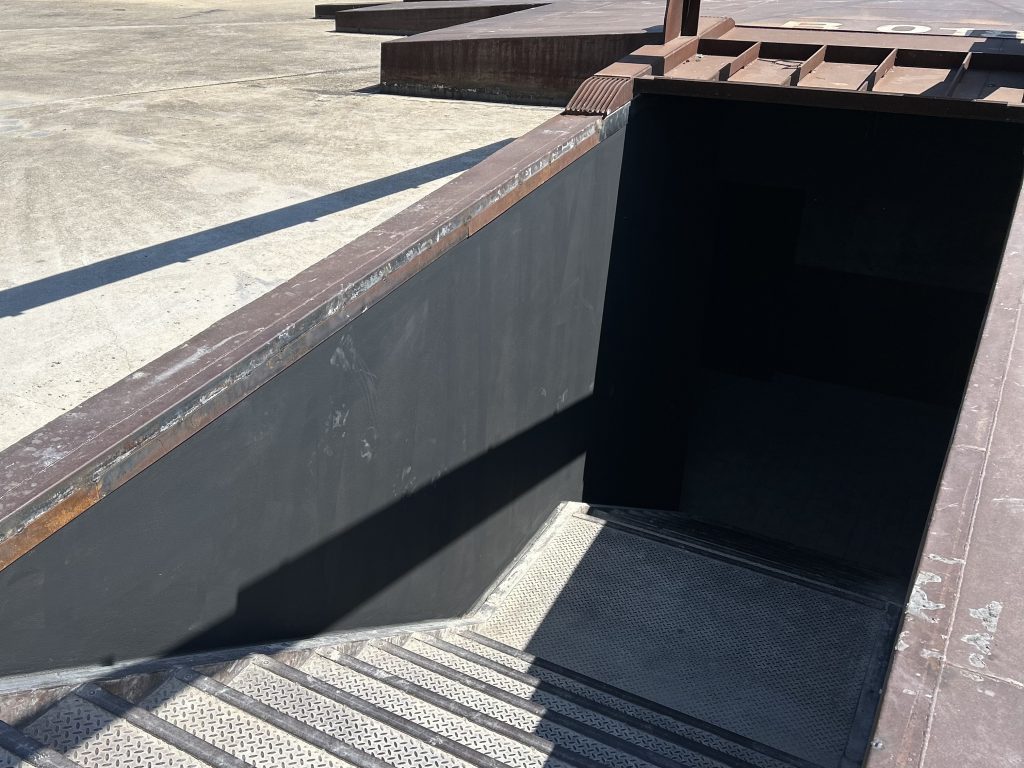
The architecture itself was a provocation made of contradictions. The club sits partly underground, its retractable roof opening to the night sky (an act simultaneously claustrophobic and ecstatic, bunker and theatre). The location, on land soaked in the memory of the Karantina massacre of 1976, was never incidental. And neither was the geography: the plot sits almost exactly where Lebanon’s two main road arteries cross, making it, as Khoury puts it, “a tactical calculation” as much as a design decision. He was thinking in terms of access vectors, urban voids and the psychogeography of a city still metabolising its wars.
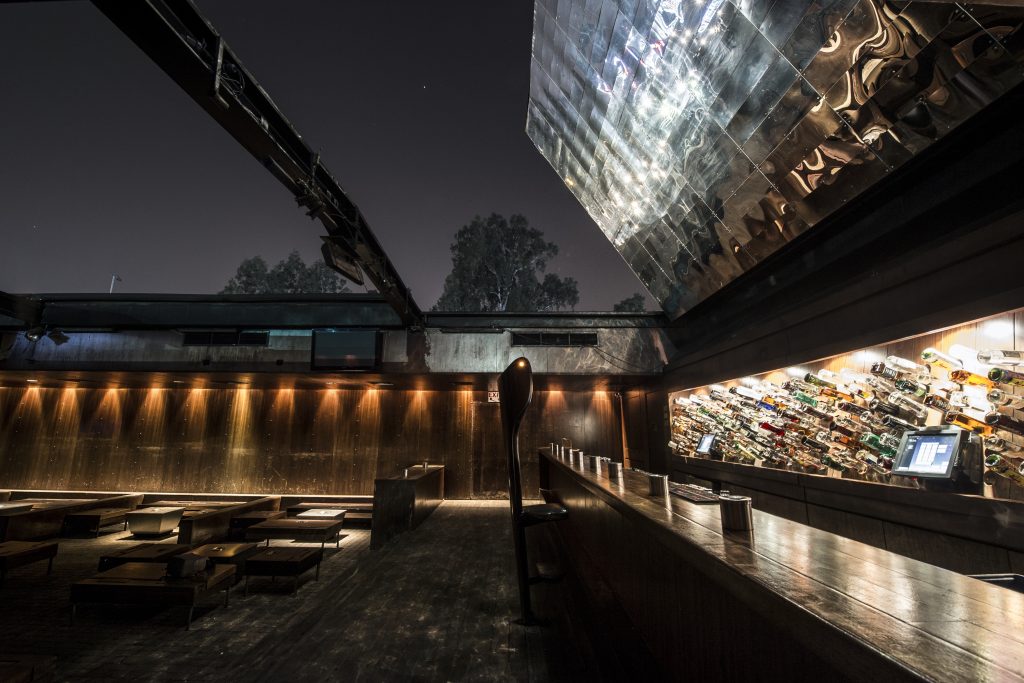
The glory years, Khoury says, ran through roughly 2005. What made them was Naji’s refusal to follow anyone’s agenda but his own. “Naji was not within the trends. Naji was completely against the floor, and that’s what made it beautiful.” He could play Stravinsky at two in the morning on a Saturday, and if you didn’t like it, you left. The club was small — the main hall a mere 196 square metres — and that smallness was its power. It couldn’t absorb the logic of big-room electronic music even if it wanted to.
It was during this period that B 018 earned international acclaim as both a nightclub and an architectural landmark. Wallpaper named it one of the world’s best clubs in 2004, 2005 and 2006. Undoubtedly so, distinctions followed: a Borromini Prize honourable mention in 2001, the Architecture + Award in 2004, the CNBC Award in 2008 and multiple Aga Khan Award for Architecture nominations. Beyond conventional nightlife recognition, B 018 became internationally studied as a defining example of post-war Beirut “war architecture,” widely featured in architecture books, exhibitions, lectures and publications.
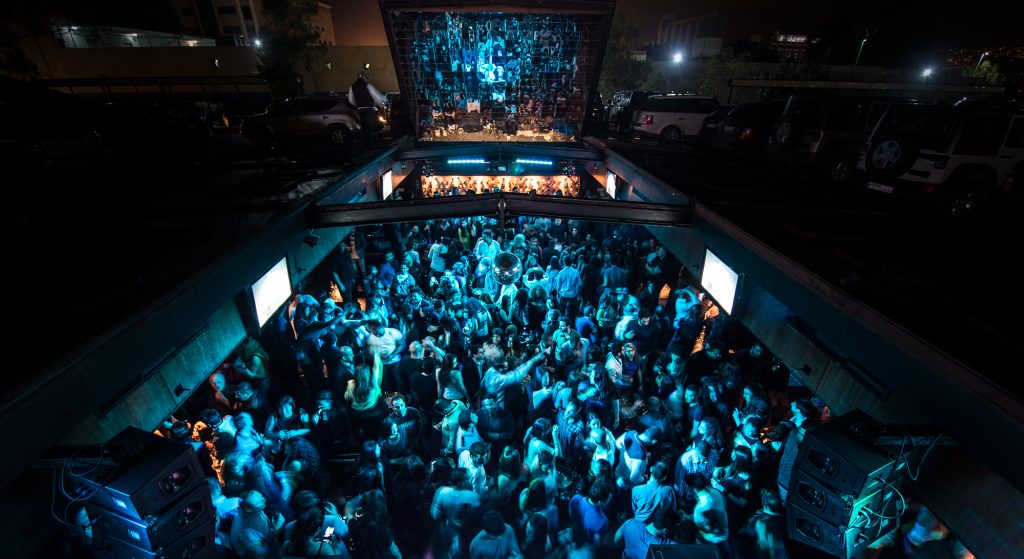
In the decade that followed, B 018 drifted from its original format — becoming a magnet for international artists including John Digweed, Sasha, Marco Carola and Seth Troxler, among many other big names.
Yet, as the music grew larger, the city outside began to fracture. The catastrophic 2020 Beirut port explosion tore through Karantina. While B 018’s subterranean bunker design miraculously protected its core from being wiped out, the surrounding district was left in ruins. Complicated by Lebanon’s hyper-inflationary economic collapse, the venue struggled on under commercial pressure until 2024, when an ongoing dispute over the land it occupied finally forced the club to completely shut its doors. For two years, the bunker sat back.
Now the original B 018 is coming back — architecturally faithful to 1998. “It’s a reboot. The place is reclaiming its roots,” Khoury explains. The music is being handed to Naji’s son, Omran. Khoury speaks of him with the same mix of investment and refusal he applies to the space itself: he believes in him and is making it a condition that nobody meddles. “He’s the music guy. I have nothing to do with that. It’s not my department.”
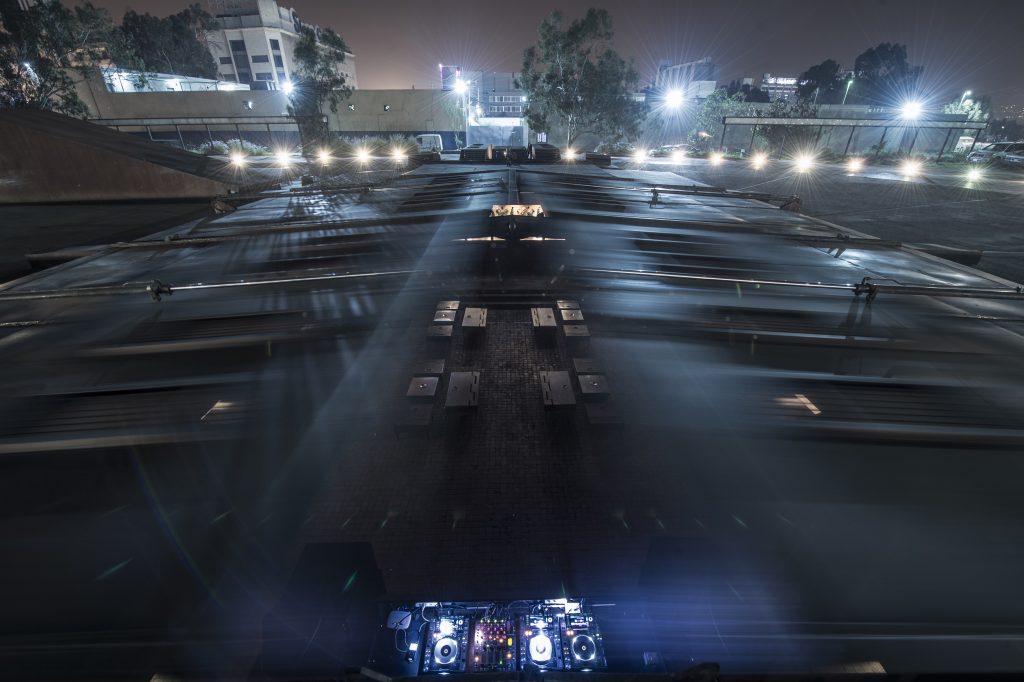
Omran has been equally uncompromising about sound. For the reopening, he is introducing the D&B Audiotechnik U-Series — fully analogue — to Lebanon for the first time. “We chose D&B because it offers the most balanced and precise sound experience across all genres of music. At B 018, we are not limited to one musical direction, so it was important to build a system capable of delivering the same level of quality across all genres,” he explains.
A key part of the installation is a 360-degree sound approach — wherever you stand inside the club, you experience the same sonic quality and energy. “We wanted to move away from the traditional nightlife dynamic where sound comes from one direction and everybody faces the same way. With this setup, we are bringing back a more authentic clubbing experience — people facing each other, dancing together, moving freely around the space, with the club itself becoming part of the interaction.”
Khoury’s architecture, it turns out, was already doing some of the acoustic work. The large curtains running from one end of the club to the other, combined with a 10cm gap between curtains and walls, create a natural acoustic treatment that improves sound response throughout the space. The extensive use of wood throughout the club adds warmth and balance to the overall sonic experience.
Omran also installed Rockwool insulation — made from melted volcanic rock and widely used in professional acoustic isolation — throughout the mechanical systems before sealing the structure, optimising both sound isolation and internal acoustic performance. The total sound investment reached around $200,000, covering the D&B Audiotechnik system, an Allen & Heath mixer, and top-of-the-line cabling throughout the venue. “We did not compromise on any detail. Every decision was made with one objective in mind: achieving the absolute best possible sound experience for the club.”
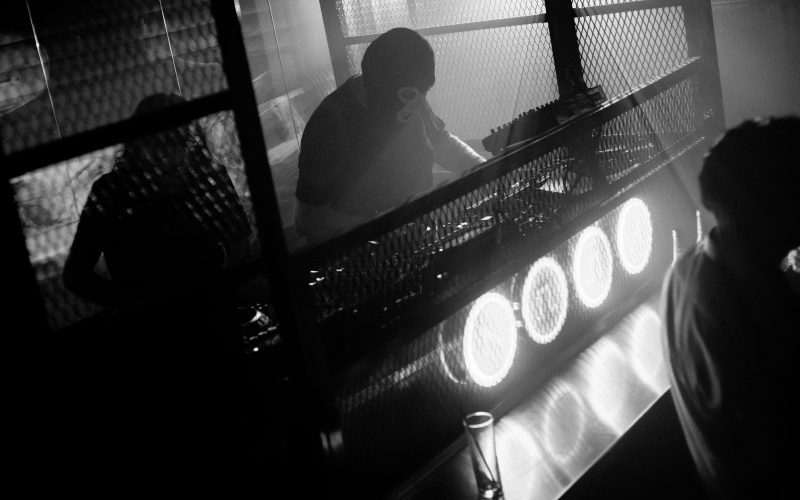
The plan is to open in summer 2026, early July. Naji himself may appear, Khoury hints, though quietly, on an off night, to play a few tunes for the pleasure of it. There will be no elevated DJ booth. No celebrating of the DJ. Just the music, the room and whatever the room does to you when the roof slides open and the Beirut sky falls in. B 018 was never really a club. It was always a temple of music. And now it’s finding itself again.